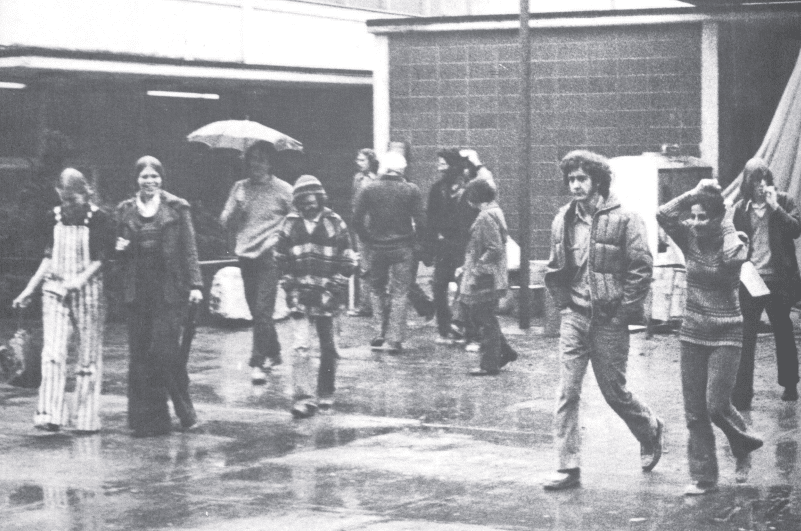
Since Emily Carr University of Art + Design (ECU) was founded, we have offered extended learning opportunities for artists and designers who want to tap into their creativity and develop their practice.
Decades before our current Extended Learning programs, ECU encouraged students to learn at their own pace through evening classes, teaching classes and Saturday classes for young artists. We are looking back at the programs that helped artists realize their potential and embedded art and design into their everyday lives.
Evening School
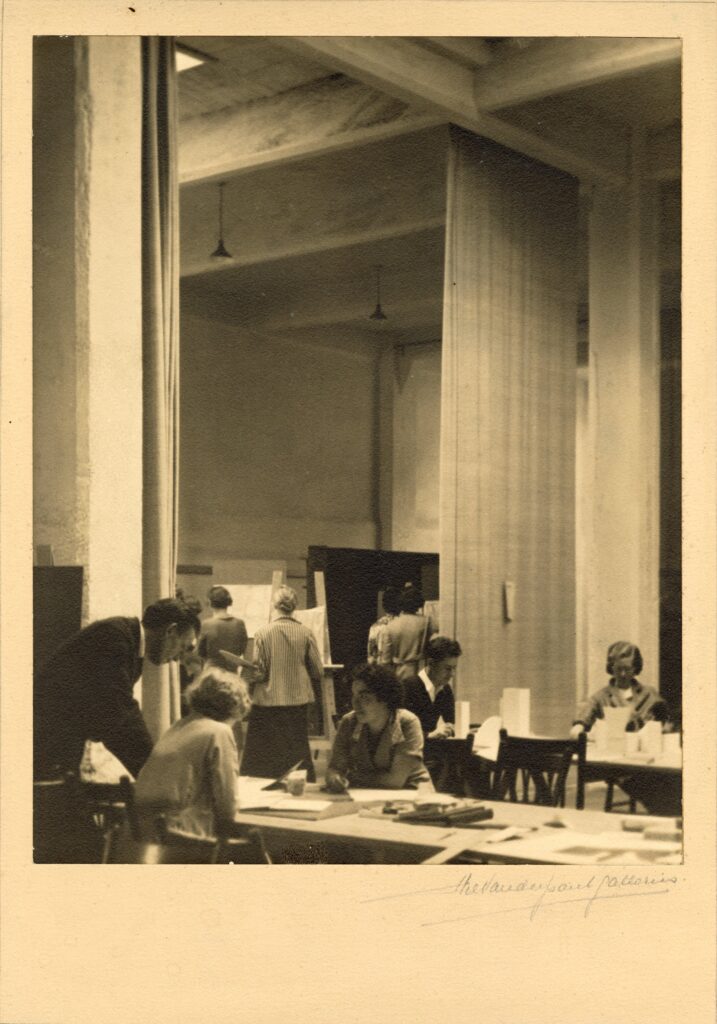
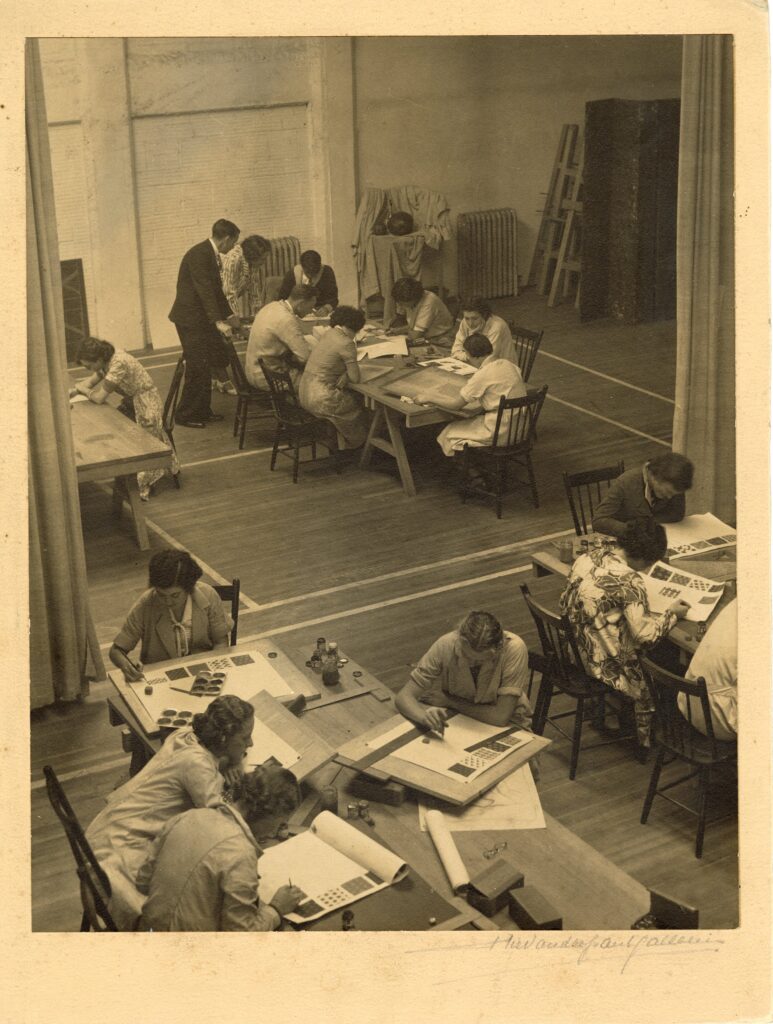
When the Vancouver School of Art & Decorative Arts opened its doors in 1925, evening classes were introduced to accommodate artists in the city unable to attend day courses and regular semesters. Charles H Scott, the first Principal, aimed to ensure that evening students had opportunities to experiment, take risks, and produce meaningful work.
Early prospectuses from the 1920s and 1930s highlight that the evening curriculum was designed to be as robust as the regular daytime course load, with students taking drawing and painting, design, commercial art, modelling, architectural and furniture design and Chinese painting classes.
When artist and alum, Fred Amess, took over as Evening School Supervisor in 1939, the evening students had moments to shine with the Atelier Club, showcasing their work in exhibitions around the school.
Fred Amess, Night School Supervisor + Principal of the Vancouver School of Art
It would not be merely a figure of speech to say that the lights of the Evening School are not merely a glow but a force in the culture and commerce of the city. And one grand thought as we close up for the night—the lights of the school do not go out with the switches but go home in sparks with the students. A light to lighten our city to a more practical application of a truer beauty.
During World War II and its aftermath, the school was recognized as an accredited center for returning soldiers, veterans, and service members to attend art and design courses. Managed by the Department of Veterans Affairs, the program allowed aspiring artists to learn freehand and geometrical drawing, design and colour, lettering and commercial layout and design, along with interior decoration, preparing them for future careers.
Fred Amess saw the school as more than a place to take classes, but as a benefit to the city’s burgeoning artistic scene.
Over the years, the evening courses expanded to include new subjects such as leatherwork, embroidery, ceramics, photography and more. The program gave learners opportunities to explore their interests, build practical skills and engage with Vancouver’s expanding art and design community beyond regular school hours.
Teachers’ Classes
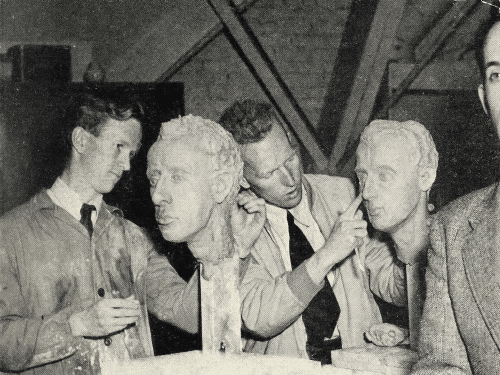
Alongside the Evening School, the VSA was appointed by the Department of Education to become a training centre for people who wanted to teach art in elementary, junior high and high schools across the province. These training classes were held two days a week where prospective teachers learnt art techniques, managing the classroom environment and different specializations.
After their final exams, the art teachers received a certificate from the Department of Education and were able to teach a generation of aspiring artists in schools across the Lower Mainland. The Art Teaching training ran for over 30 years and was disbanded at the discretion of the Dept of Education.
Saturday Morning Junior Classes
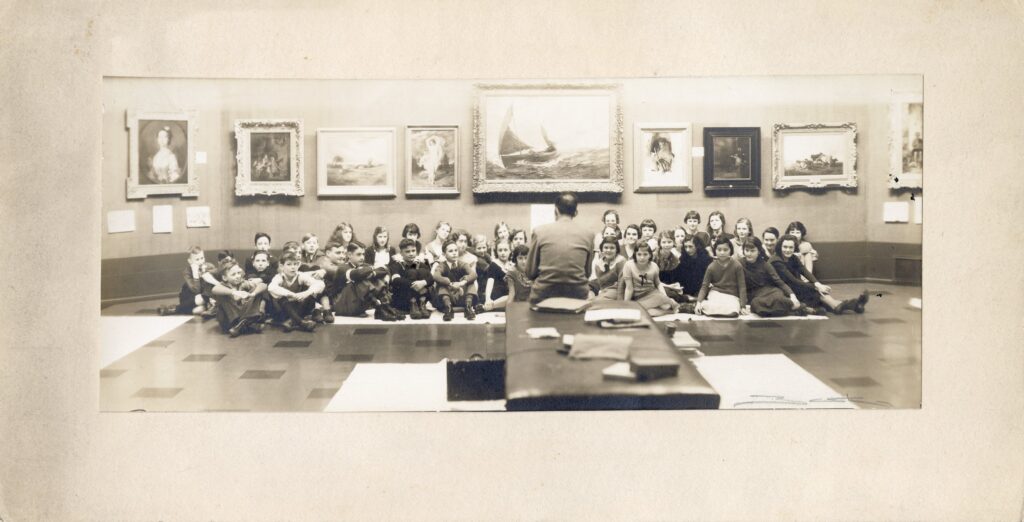
As a precursor to our current youth programs, the school also offered art and design classes for children from ages 7-17 on Saturday mornings. These weekend classes allowed children to indulge in drawing, painting, design and modelling classes. Costing only $5 over the years, these classes were undoubtedly a first exposure to art and creativity for young artists to pursue their passions and deepen their appreciation for different mediums.
These classes were eventually replaced by a stronger focus on the Summer Institute for Teens and Junior Art Institute, where youth between 13 to 18 could level up their creativity and strengthen their portfolios.
From evening students and aspiring art teachers to young artists discovering their passions, ECU’s extended learning programs have always made space for people to pursue art and design on their own terms and pace.
Today, that tradition continues through Extended Learning programs that invite learners of all ages to build skills, explore new ideas, rediscover their creativity and make art and design part of their everyday lives.