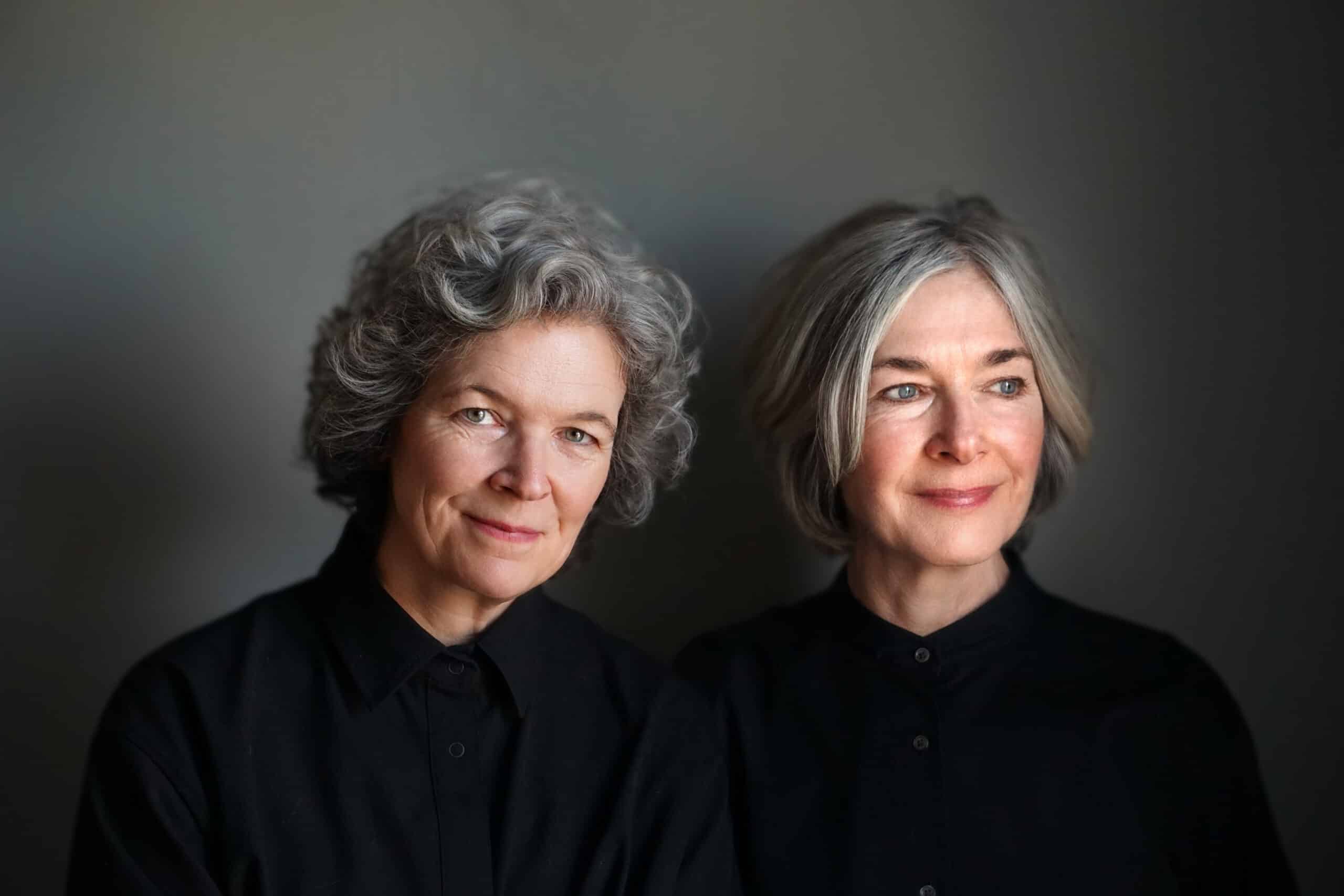
The multi-award-winning, Oscar-nominated animators, artists and ECU alums reveal their inspirations, aspirations and agonies after four brilliant decades of artmaking.
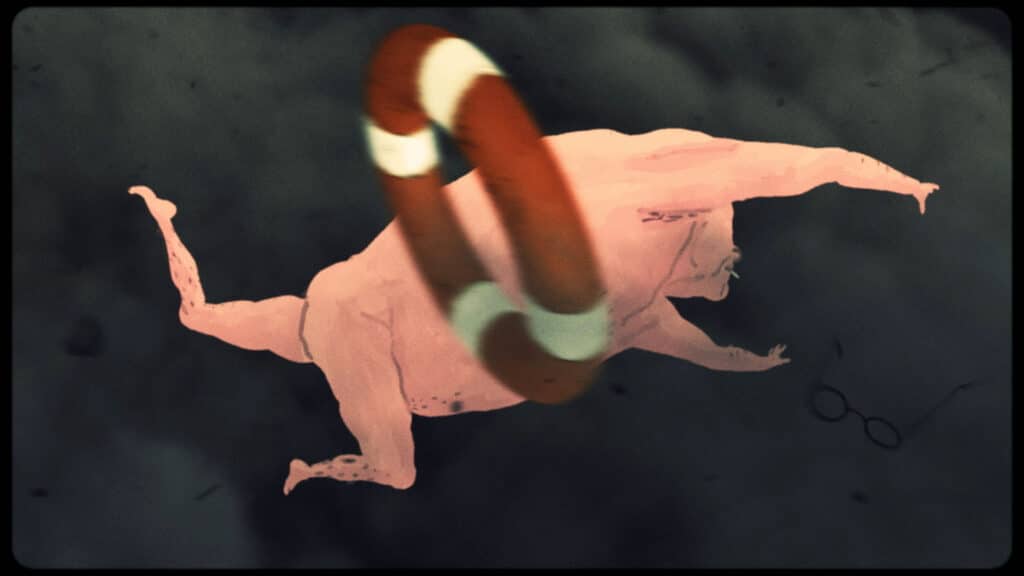
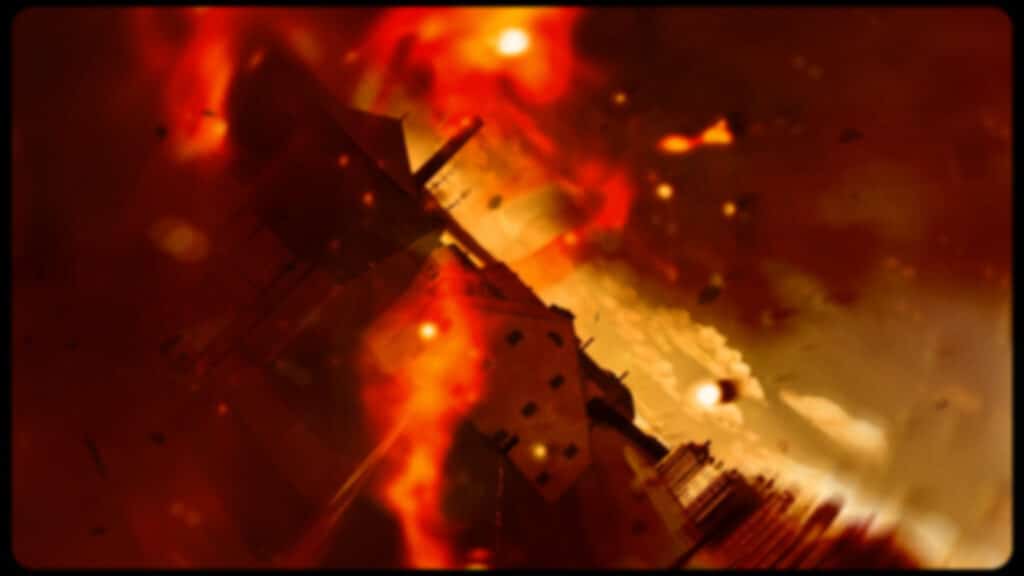
Imagine a sunny day. You’re strolling seaside along a boardwalk lining a bay on the Atlantic Ocean. Just offshore, a pair of ships collide, sparking the largest accidental explosion in human history. And you, though largely unharmed, are nevertheless hurled bodily skyward, travelling for what might seem like an eternity, through time and space and across a city on fire, shedding your clothes and shoes and possibly a good deal else that you’ve been carrying for decades, or even a lifetime.
What would that journey be like? And what would it mean to stand back up in the wake of such an event?
These are questions asked by celebrated artists Wendy Tilby (Alum 1986) and Amanda Forbis (Alum 1988) in their lauded 2022 film, The Flying Sailor. Combining multiple animation techniques with live-action and experimental media, the film is a virtuosic visual thrill ride as well as a moving portrait of a life that is at once ordinary and entirely miraculous. A life, one begins to believe, that looks not so different from ours.
And possibly not so different from theirs, either. Wendy and Amanda have been navigating changes which, while not as dramatic as an historic explosion, can feel nearly as profound.
Since The Flying Sailor earned the pair an Oscar nomination (their third) and awards at a string of festivals, including Sundance, Wendy and Amanda made a permanent move from their longtime home in Calgary, AB, to Victoria, BC. But perhaps more importantly, they found themselves hungry for other things.
“It all felt a bit like a crossroad,” Wendy says. “Animation is changing a lot, and we’re both interested in doing art that’s not animation.”
“We’ve also been through so many revolutions in media,” Amanda adds. “We started out in film. Then came video. Then the digital revolution and the 3D revolution, and now we’re in an AI revolution. And I’m just kind of tired of revolutions, frankly.”
In other words, it’s possible that Wendy and Amanda have emerged from their own journey through time and space and are now standing back up to decide what their lives might hold. Not that they have anything left to prove.
The other two animated films which they co-wrote and directed, 1999’s When the Day Breaks and 2011’s Wild Life, were also nominated for Academy Awards. And they’ve received recognitions, including a 2023 Lieutenant Governor of Alberta Distinguished Artists award and a 2018 Winsor McKay Award for lifetime contribution to the art of animation, the latter setting them in the august company of past recipients, including Hayao Miyazaki, Steven Spielberg and Tim Burton.
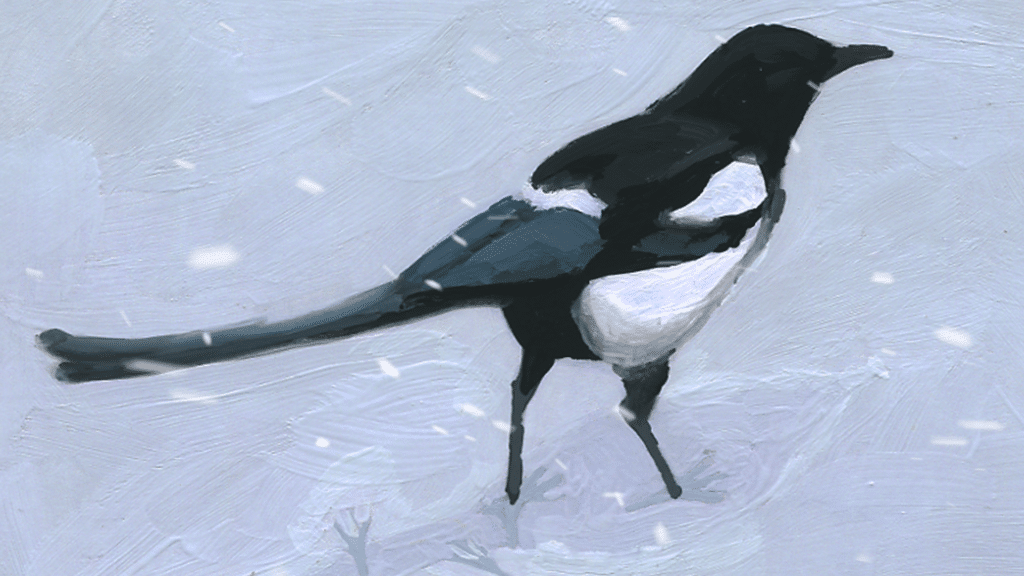
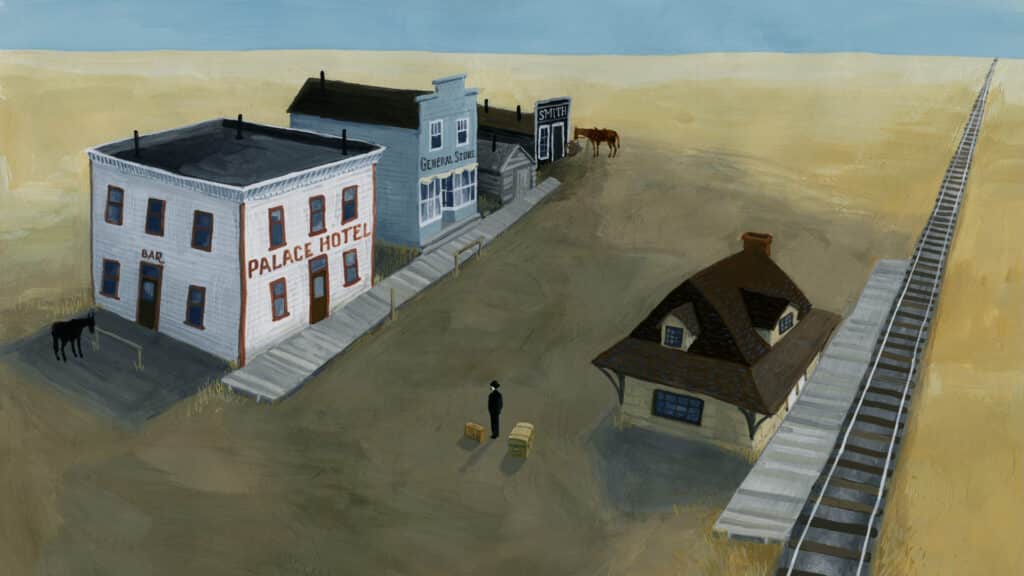
But these successes have derived entirely from the project of following their curiosities. While their three films have each appeared a decade apart, all of them grew out of a moment of intuition. They have spoken, for instance, about the importance of collecting physical images in their physical space. These collections begin to gain a kind of subtle momentum which they can then springboard from or work against to discover what most excites them.
“To me, it’s like there’s one star in a constellation of things that gives you a thrill, and makes you go, ‘Okay, this is something,’” Amanda says. “And then you start ruminating on that.”
“Any idea has to stand the test of time,” Wendy adds. “You have to swim in it for a while and then ask, ‘Does it still resonate?’ Because you’re going to live with it for so long that you’ll do it almost to death. So, if you don’t like it from the beginning, it’s not going to work.”
Wendy says that, in the case of The Flying Sailor, part of the appeal was the immense space the story provided for their imaginations.
“I remember what was so exciting was that it provided an envelope for this near-death experience that could be anything,” she says.
“He goes up, he comes down, and then everything in between is open season,” Amanda says. “You don’t have any specific responsibility to narrative or plot, which is fantastic and made working on it fun.”
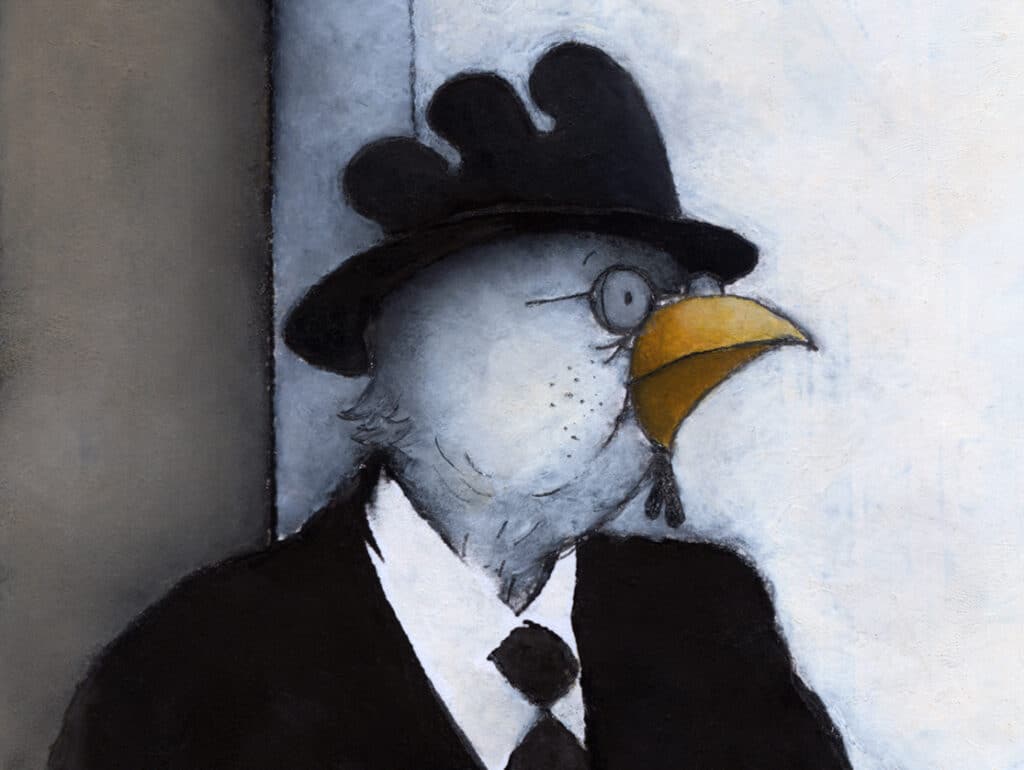
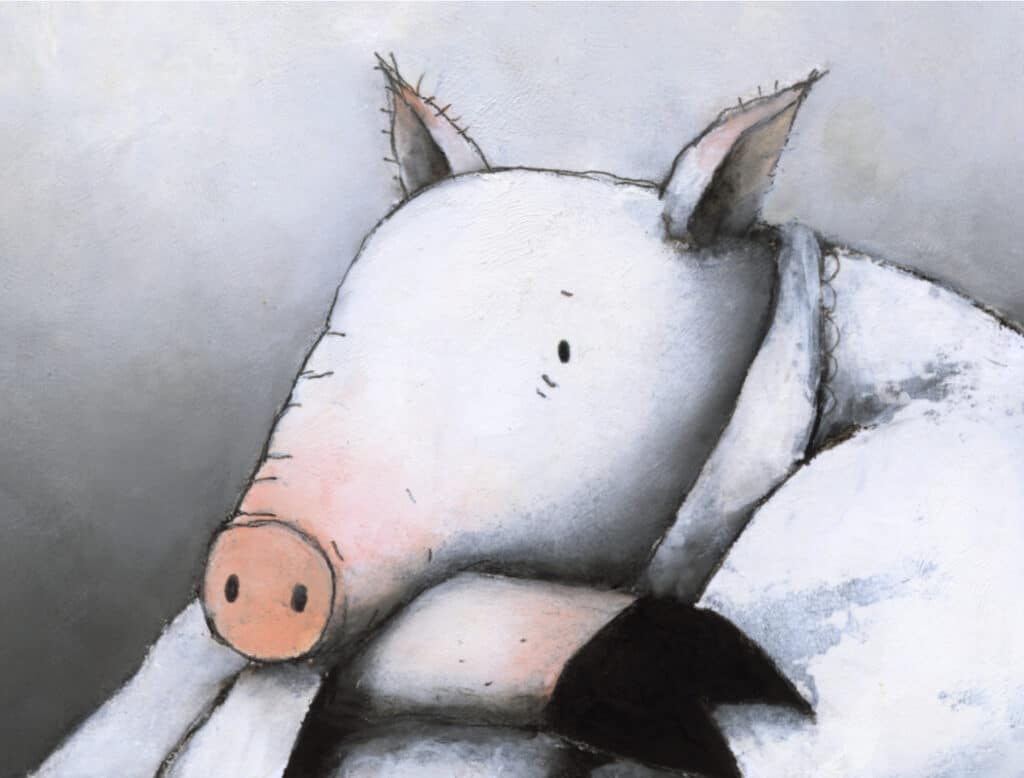
And although each of their films displays a ferocious curiosity about the possibilities of formal experimentation, the pair have a sharp vision for what makes a film succeed or fail. For instance, they say digital tools have led animated shorts to become too long, testing both festival programmers and the patience of audiences.
“It tends to feel a bit indulgent,” Wendy says.
“Nothing over 12 minutes, people. Stop it,” Amanda adds with a laugh.
This sensitivity to the context in which their films are received is emblematic of a broader philosophy underpinning their practice as filmmakers. Namely, that more than possibly any other artist, a filmmaker needs to put themselves in their audience’s place.
“In cinema, you have to have empathy for the audience, because they’re what makes it,” Wendy says. “You can be obscure, but in terms of how you unspool a story, is it working? You have to divorce yourself from everything you know about your project, put yourself on the other side of the room and say, ‘I’ve never seen this before. What does all of this mean?’”
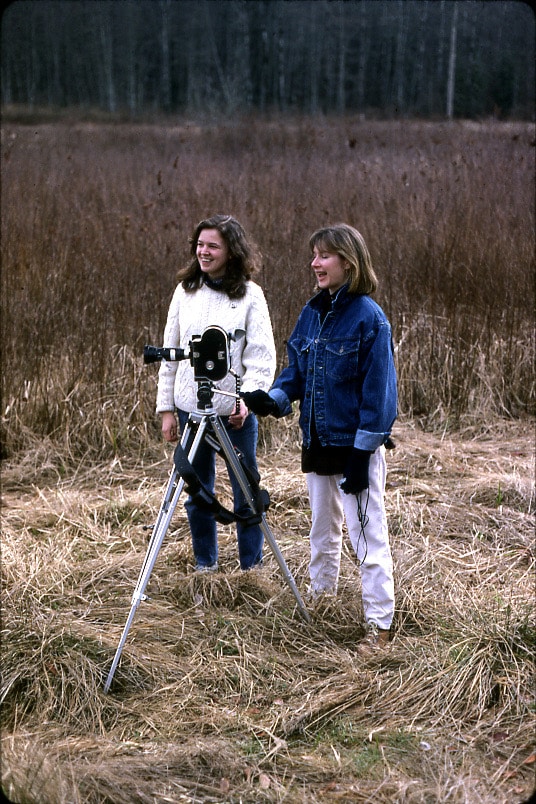
In part, this compassion stems from the fact that Wendy and Amanda are themselves film fans. Their love for the medium led them to pursue an art school education. And while studying at Emily Carr University of Art + Design (ECU) in the 1980s, they embraced animation as a space of total artistic agency, free from the kinds of complexities required by live-action filmmaking, which they also studied. And they discovered the kaleidoscopic formal possibilities that animation held.
They learned under artists, including animator Hugh Foulds and filmmakers Sandy Wilson and David Rimmer. (They also attended class with artist Martin Rose, a future animator, filmmaker and ECU faculty member, and, they note, a dear friend to this day).
“Hugh showed us films from all over the world, and it just cracks your head open in the most fantastic way,” Amanda says. “We would see so many new techniques; we’d spend half our time going, ‘How did they do that?’ So, that was a part of the water we were drinking. It was very influential.”
Wendy adds that being surrounded by other emerging artists was a huge inspiration — a fact she was reminded of when they returned to visit the campus earlier in 2026, accompanied by Martin as well as ECU faculty members Alla Gadassik and Harry Killas. Their visit came ahead of an artist talk they delivered at The Cinematheque as part of ECU 100, the university’s celebration of its centennial year.
“The energy is incredible with all of this expression going on,” Wendy says of ECU. “You’re seeing people learning through their work. That manifest learning is so energizing and thrilling.”
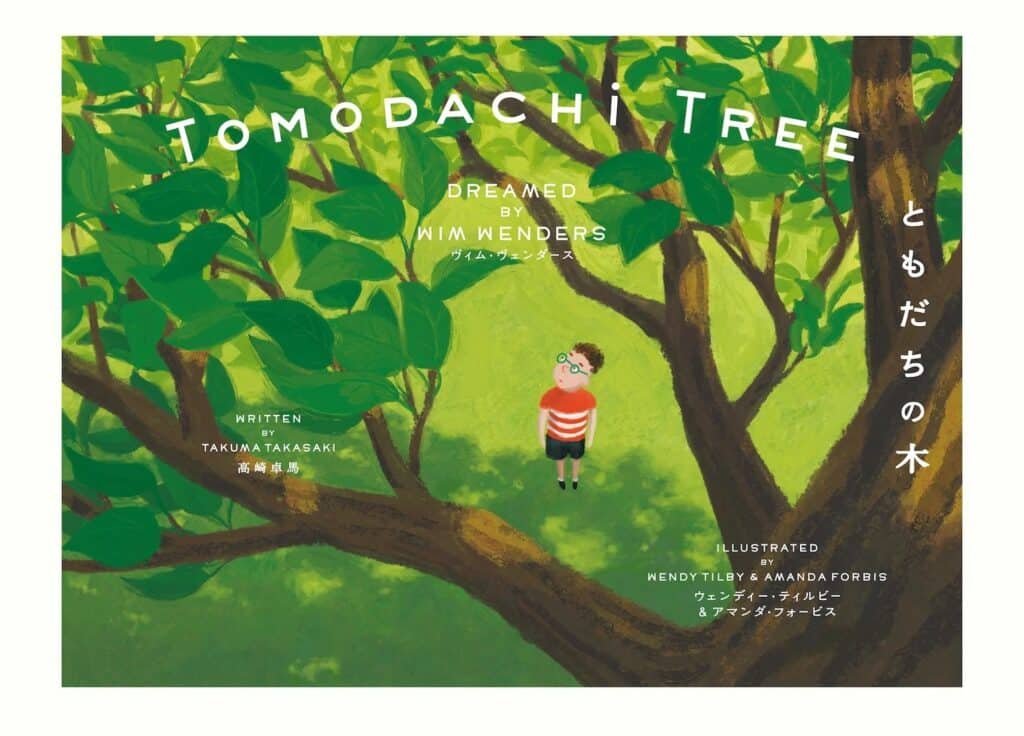
This excitement about the possibilities of artmaking writ large is reflected in Wendy and Amanda’s own practice, which includes a rich portfolio of commission work for commercials, animated logos and bumpers. They also create illustrations, including for their own annual Bleak Midwinter Film Festival, which ran for over a decade in a historic Calgary neighbourhood, and a recent, gorgeous series for Takuma Takasaki’s book Tomodachi Tree.
“There’s a kind of relief in someone else providing direction because when we do our own projects, we have to make every single decision ourselves, which is sometimes daunting,” Wendy says. “With the Tomodachi Tree, they were the opposite of micromanagers, which was weirdly unmooring.”
“But going from animation to illustration is a tough transition, no matter what,” Amanda adds. “We’re not used to putting everything into a single image and bringing each one to perfection, because, in animation, each image is transitional. And we were overwhelmed by that. But it was a lovely experience, and they were so sweet to us.”
Yet despite feeling unmoored — or perhaps because of it — they’ve decided they’d like nothing more than to jump into another space of uncertainty. They recently completed a painting residency at the Banff Centre and hope to establish a studio in their home where they can experiment with new mediums and get their hands dirty.
“It’s going to be humbling, and I just have to brace myself for a long period of intense frustration,” Amanda says.
Which isn’t to say they’re decisively finished with filmmaking — or even that there is nothing they feel they could have done better.
“Our principle has always been that you have to stuff this little thing with as much as you’re able, because animation is so hard to do,” Amanda says. “You want to make sure that every shot is saying something and that you’re packing as much meaning as you can into this little vessel. And as a consequence, The Flying Sailor is too short.”
“We needed more of the part that excited us so much about his journey through the air,” Wendy adds. “It just needed to be a little longer.”
Amanda smiles. “Oh, the regrets.”
Regardless of whether they’re being entirely earnest, or whether a journey through the air could truly ever be other than it is, one thing is clear: Wendy and Amanda, in meeting their own “before and after” moment, have decided that the most exciting part of their story may still have yet to be written.
More About 3D Computer Animation at ECU
ECU’s 3D Computer Animation program is recognized as one of the best in the world, offering an unmatched education in a fast-growing industry.
As the only school in British Columbia with a bachelor’s degree in 3D and CG animation, the program combines hands-on training, world-class faculty and access to cutting-edge studios, all rooted in artistic innovation and storytelling.
Visit our website to learn more.
More About 2D + Experimental Animation at ECU
The animation industry is expanding with new opportunities for artists and storytellers. ECU’s 2D + Experimental Animation program prepares you for a dynamic career in animation and filmmaking.
Develop your artistic voice, explore character design and motion, and blend traditional and digital techniques to create original animated works.
Visit our website to learn more.
100 Years of Creativity: The Stories that Shaped Us
As part of Emily Carr University’s centennial celebrations and our ‘100 Years of Creativity’ campaign, we are sharing stories that spotlight the creativity, resilience and impact of our community over the past 100 years. These stories feature the people, projects, places and ideas that have shaped ECU, reminding us of our shared legacy while inspiring the future. By revisiting past milestones and sharing new ones, we honour the many voices that built our institution and continue to guide its path forward.
For more information about ECU 100 centennial celebrations, upcoming events and stories, visit our webpage.
Want more stories like this delivered twice a month to your inbox?
Subscribe to our FREE Emix newsletter today!