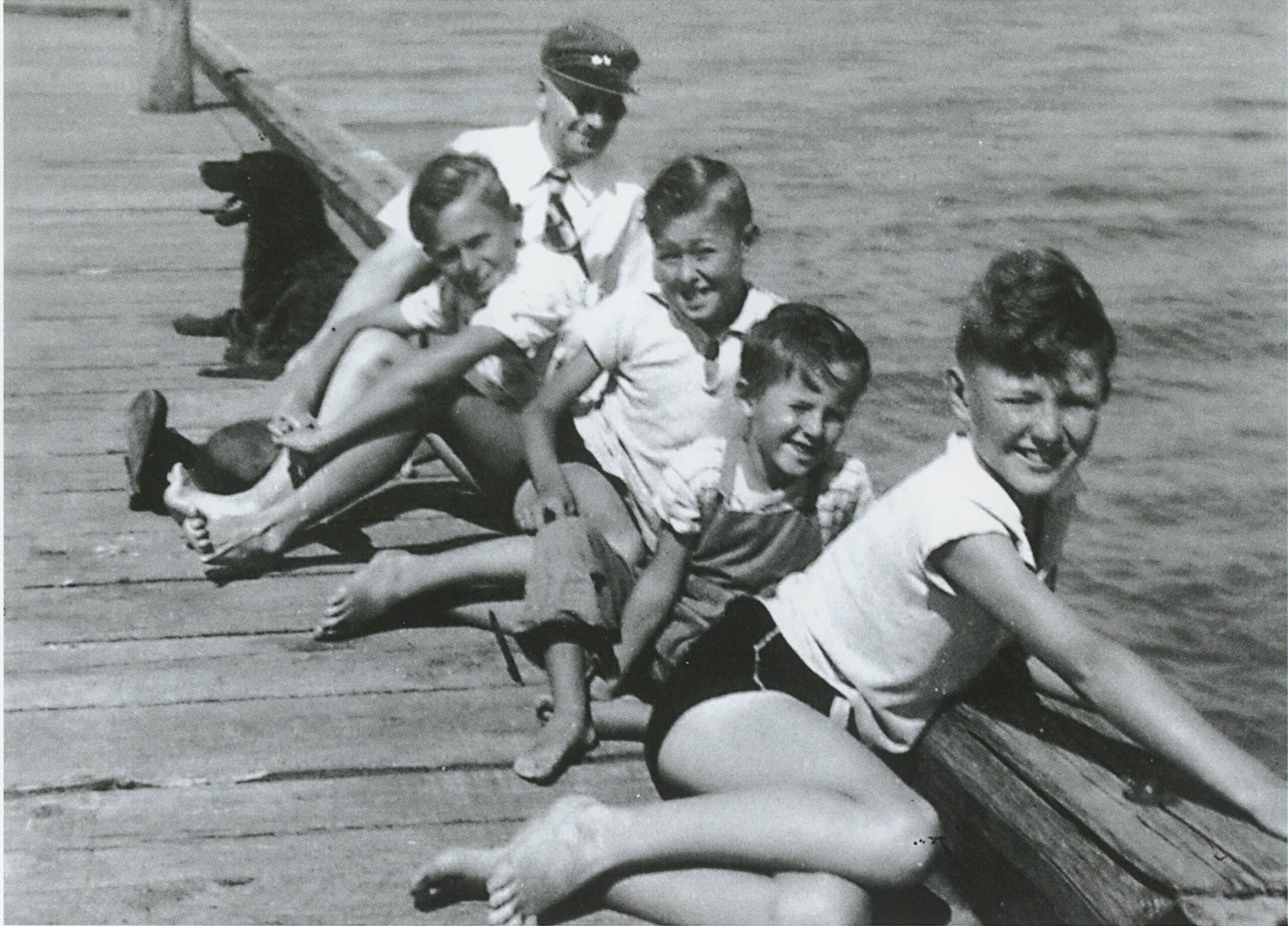
We’re looking back at the legacy of the Mayrs family, whose two generations have passed through our doors and whose work was deeply shaped by their time at the school.
When Bill Mayrs signed up for his first Drawing & Painting course at the Vancouver School of Art in 1950, he could not have known the precedent he launched for his family. His brothers, Frank, Charlie, and David, and his nieces, Margie and Katy, followed in his footsteps as artists with something to prove and laid the groundwork for their diverging artistic paths.
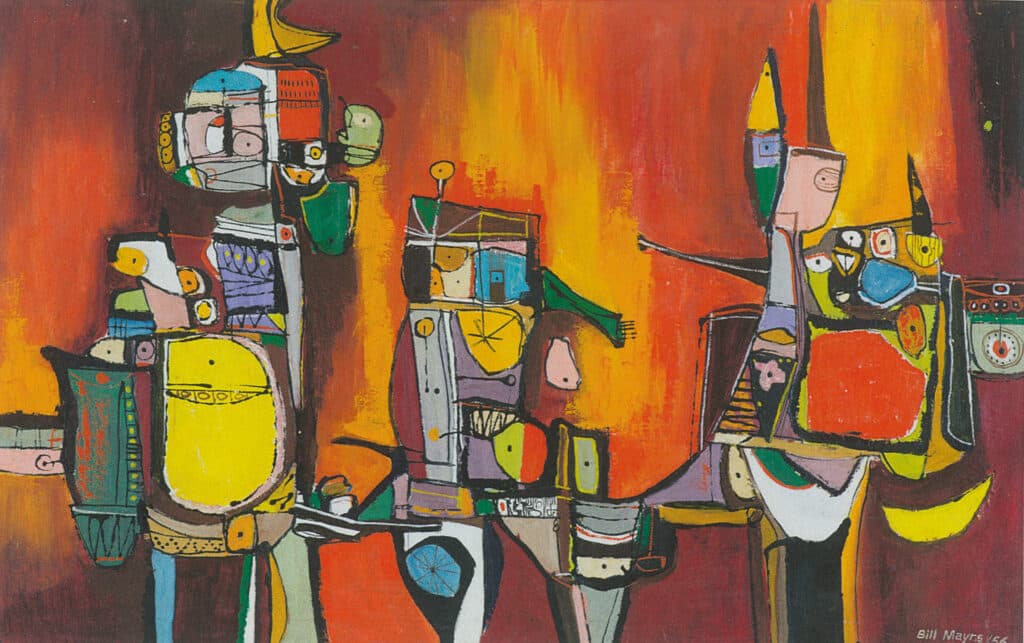
Boy, Did They Draw!
The Mayrs brothers grew up in Winnipeg, where their parents, Marjorie and William, owned a grocery store. In a lively household with four brothers and two sisters, creativity was encouraged. To keep the peace, Charlie recalls how their father would bring home brown butcher paper to draw on.
“We used mostly coloured pencils to draw with in the earlier years. My mother was famous for saying “Kids, go downstairs and draw!” And boy did we draw, all the time! When we moved to Vancouver, I was 10 years old and won a colouring contest. My name was published in big letters in The Province newspaper, along with a photo of me. I won a bike. Of course, my mother was so proud of that!”
Using every material at their disposal, the Mayrs brothers created relentlessly with pencils, pens, chalk, scissors and pastels, which Marjorie proudly displayed on their bedroom walls. When the family moved to Vancouver in 1947, the brothers attended Magee Secondary School, where their art teacher, Laura Wilcox, was instrumental in fostering their individual artistic talents.
As the youngest of the Mayrs family, Charlie witnessed the strife and arguments when Bill Mayrs announced he would attend the Vancouver School of Art (VSA), now Emily Carr University. For Marjorie, art was a way to channel their energies, but not a viable career path in the 1950s. However, for Bill, art was his lifeblood and a way out of a more straitlaced future.
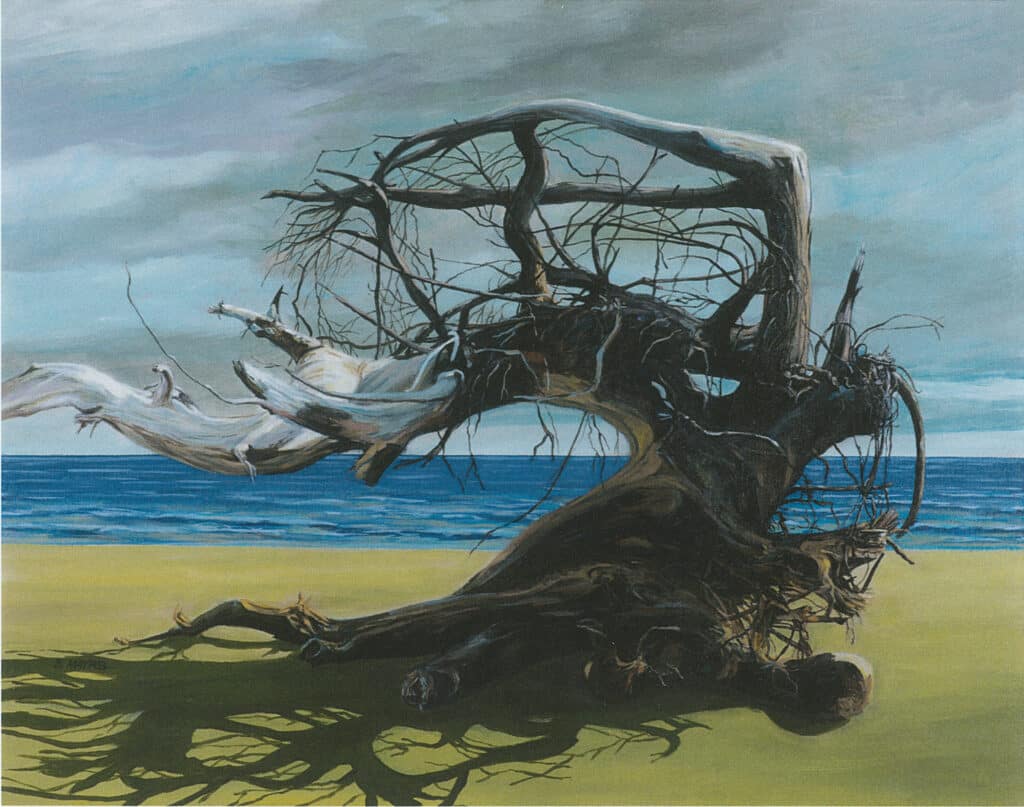
After Bill enrolled, the brothers joined the program and studied under VSA instructors such as Orville Fisher, Bruno Bobak, Grace Melvin, Jack Shadbolt, Robert Reid, and Gordon Smith. These distinguished teachers significantly influenced the brothers’ artwork and helped develop their early styles. For Bill, learning from Shadbolt and Aspell played a key role in shaping his Greek mythology series and large landscape pieces.
For Charlie and Frank, who branched out into commercial design and advertisements, the school’s professors instilled in them the confidence to insert some flair and verve into their designs and paintings.
“One of my teachers, Robert Reid, was the one who influenced me the most in the beginning. I had him in first year, and he really liked my work. Robert always reminded me that I should feel lucky to be an artist,” said Charlie. “He had a great knowledge of graphic arts, and he was quite different from all the other teachers. Later in my life, I approached Robert about working with me on creating fine letterpress books. He remained a good friend throughout my lifetime.”
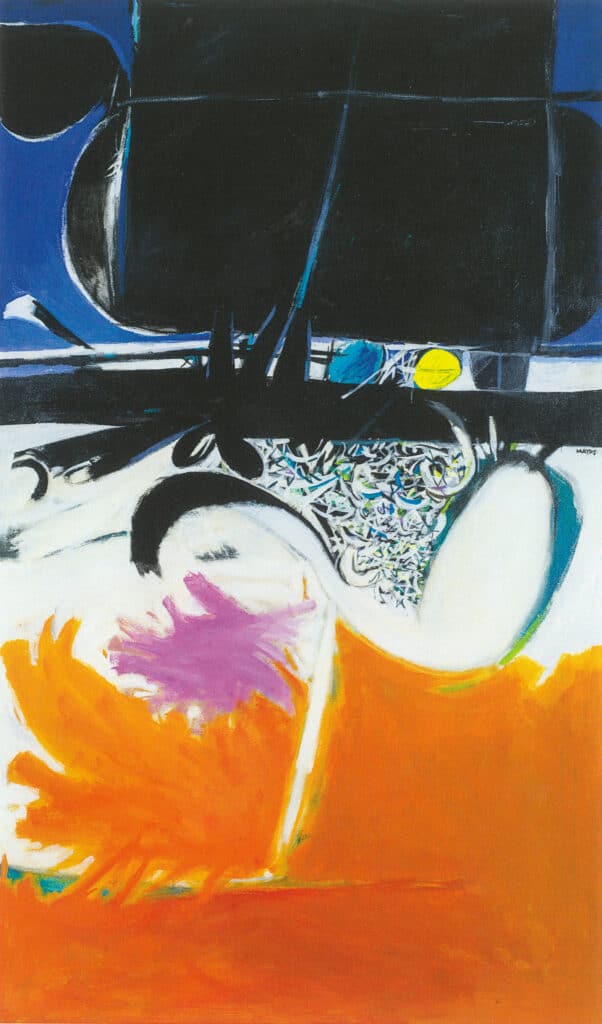
Four Diverging Artistic Paths
After graduating from the VSA, the Mayrs brothers quickly put their newfound skills and talents to work, each taking a different route through the arts.
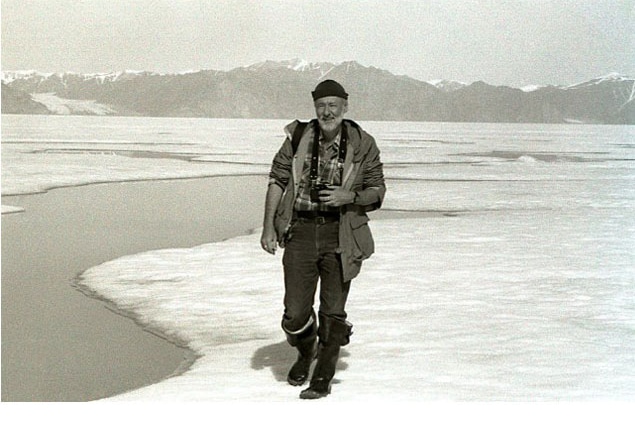
Frank joined the Canadian Government Exhibition Commission in Ottawa and later designed the Expo 86’ logo with Ian MacLeod, while continuing to paint and participate in group shows with his brothers and other artists. His later trips to the Arctic inspired his expansive abstract works.
Advertising also proved to be a stable and enriching day job for Bill and Charlie. Alongside their commercial work, they designed for PRISM International, a quarterly magazine that featured short stories and poems by Margaret Atwood, Malcolm Lowry and other icons of Canada’s literary scene.
For David, teaching became his calling. He worked at the VSA, later Emily Carr College of Art & Design, where he taught silkscreen printmaking until 1996. Teaching allowed him to pursue his passion for painting, working by day and painting by night.
His teaching career would eventually overlap with his daughters Margie and Katy, who followed him through the school, and they graduated in 1996, the same year he retired. In 2018, David received the title of Professor Emeritus in recognition of his work and dedication to the institution.
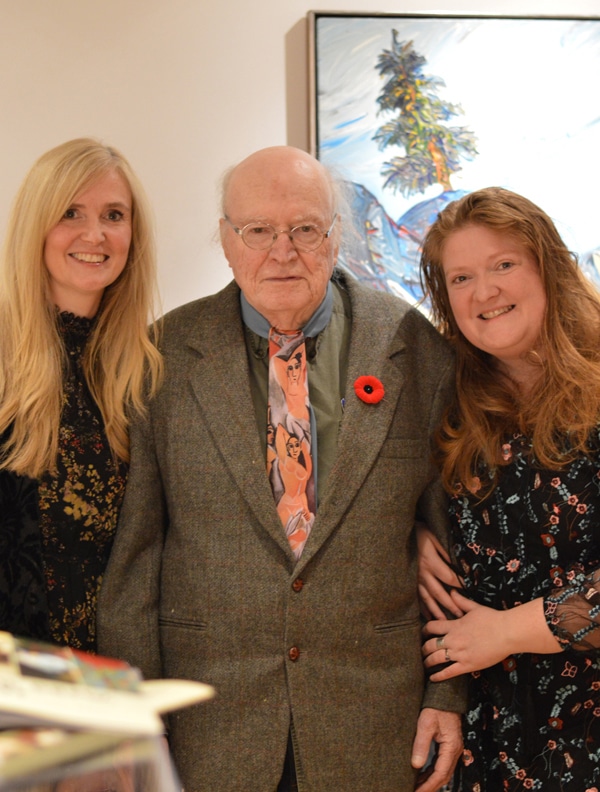
A Shy Father’s Expression
For Margie and Katy Mayrs, growing up with an artistic father who hunkered down in his studio during their childhood and was painfully shy, his art was a key to understanding his temperament and colourful imagination.
“Looking back now, I didn’t get it then, but he certainly spoke through his paintings. He said everything he needed to say in his body of work, and he didn’t sell out. Our mom wanted him to paint cowboy paintings, which could have made money, but he never bothered. Once, he took a small canvas, painted some cows in a meadow, presented it to our mom, and said, “There’s your cowboy painting!” It hung in their bedroom, and his wicked sense of humour shone through. He showed his paintings at various solo and group exhibitions, and thank goodness, there were galleries that wanted to show his very unique style.
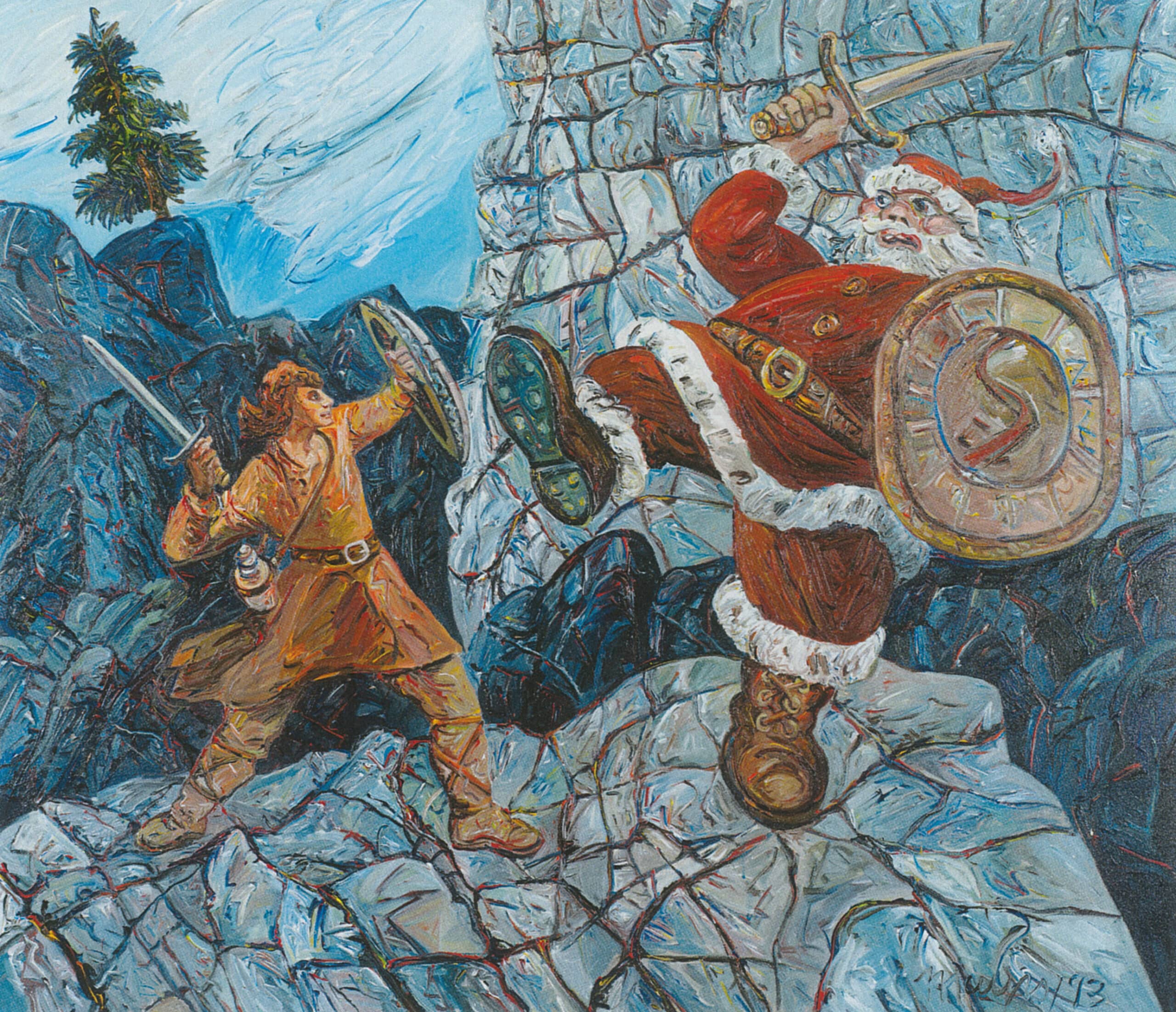
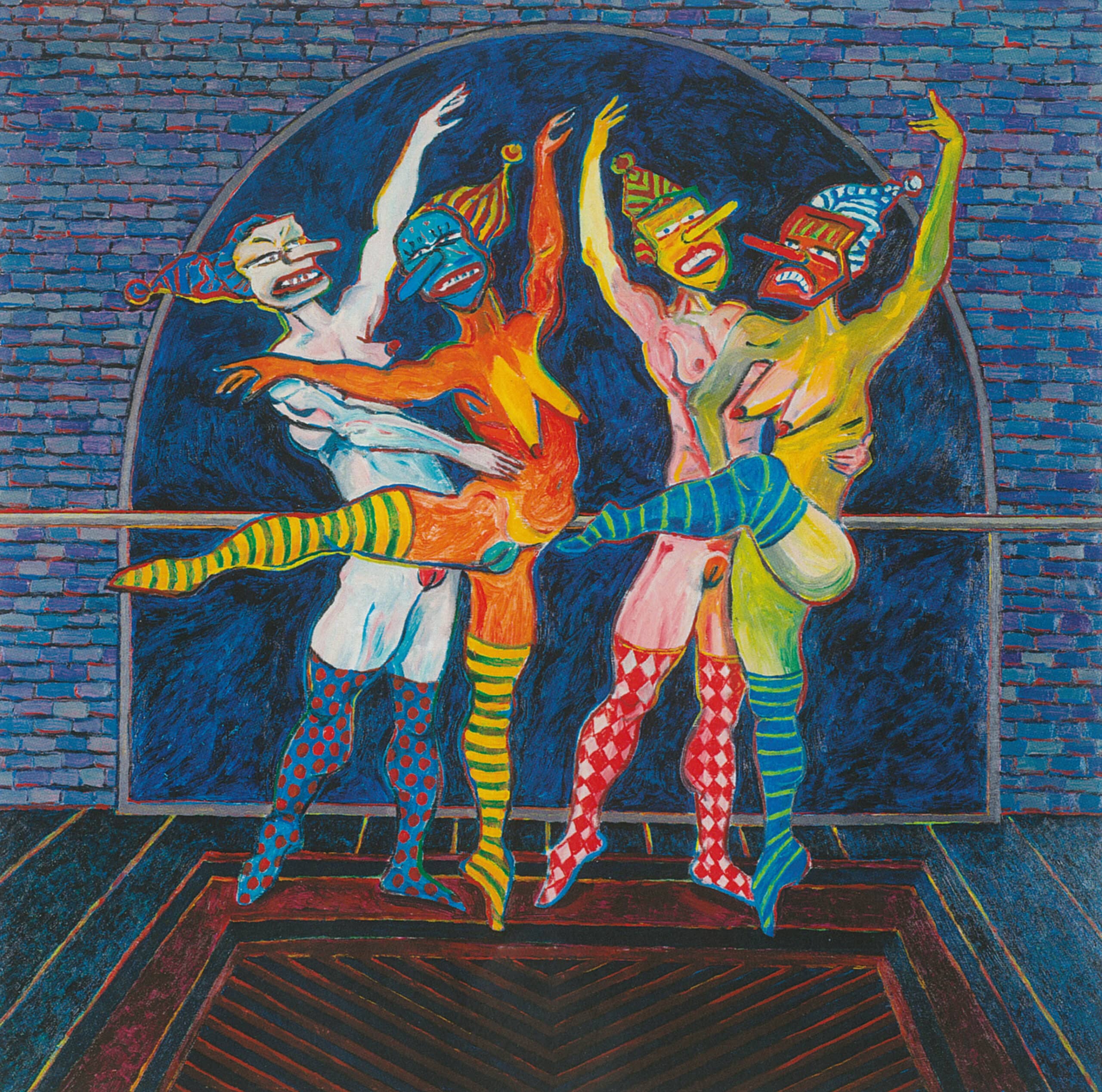
That unique style often brought notoriety, as his vibrant and often humorous paintings at his 1967 solo exhibition at the Douglas Gallery incited debate over decency and artistic expression. His paintings were snatched up by the Vancouver Police and gallerist Douglas Christmas was put on trial for obscenity.
This provocative streak was sometimes uncomfortable for the family, but Margie now finds it admirable that her father refused to compromise his work.
“When I was a little kid, I was sometimes embarrassed by some of his paintings but as I grew up, I was so amazed by my dad’s strong sense of self and his values. He painted what he wanted and the subject matter wasn’t always easy. He could’ve painted work that would sell but his work always reflected issues that meant something to him, regardless of appeal to gallery goers. That is something I always looked up in my dad.”
While the charges were dismissed, David continued to challenge the status quo through his subsequent works ‘Clash of the Titans – St Michael vs St Nicholas’ and his subversive Christmas cards that were made on silkscreens, while also appearing to be the shyest member of the faculty at Emily Carr College of Art & Design.
When Margie and Katy decided to pursue art at the college, David was encouraging but told them not to be swayed by his chosen medium.
“I actually majored in photography after Foundation, and it was my dad who encouraged me to do that. I have no decision-making skills. He taught printmaking, and I said, “Well, shouldn’t I also take printmaking?” And he said, “Well, do you like it?” He really wanted me to figure out what my passion was,” said Katy.
“At that point, I knew that I loved photography. He told me all about the photography teachers there. He was very encouraging and knowledgeable about the staff there.”
After graduation, Margie earned a teaching certificate and a master’s degree. She became an art teacher and counsellor at Seycove Secondary School. At the same time, Katy studied digital design at Vancouver Community College, becoming a graphic designer and co-owning a long-running print and design shop in Langley.
Creative Courage Runs in the Family
Although David, Frank and Bill have passed on, Charlie continues to paint when he can and is proud of the work the brothers have produced, which have been influential in different facets of BC’s arts and culture.
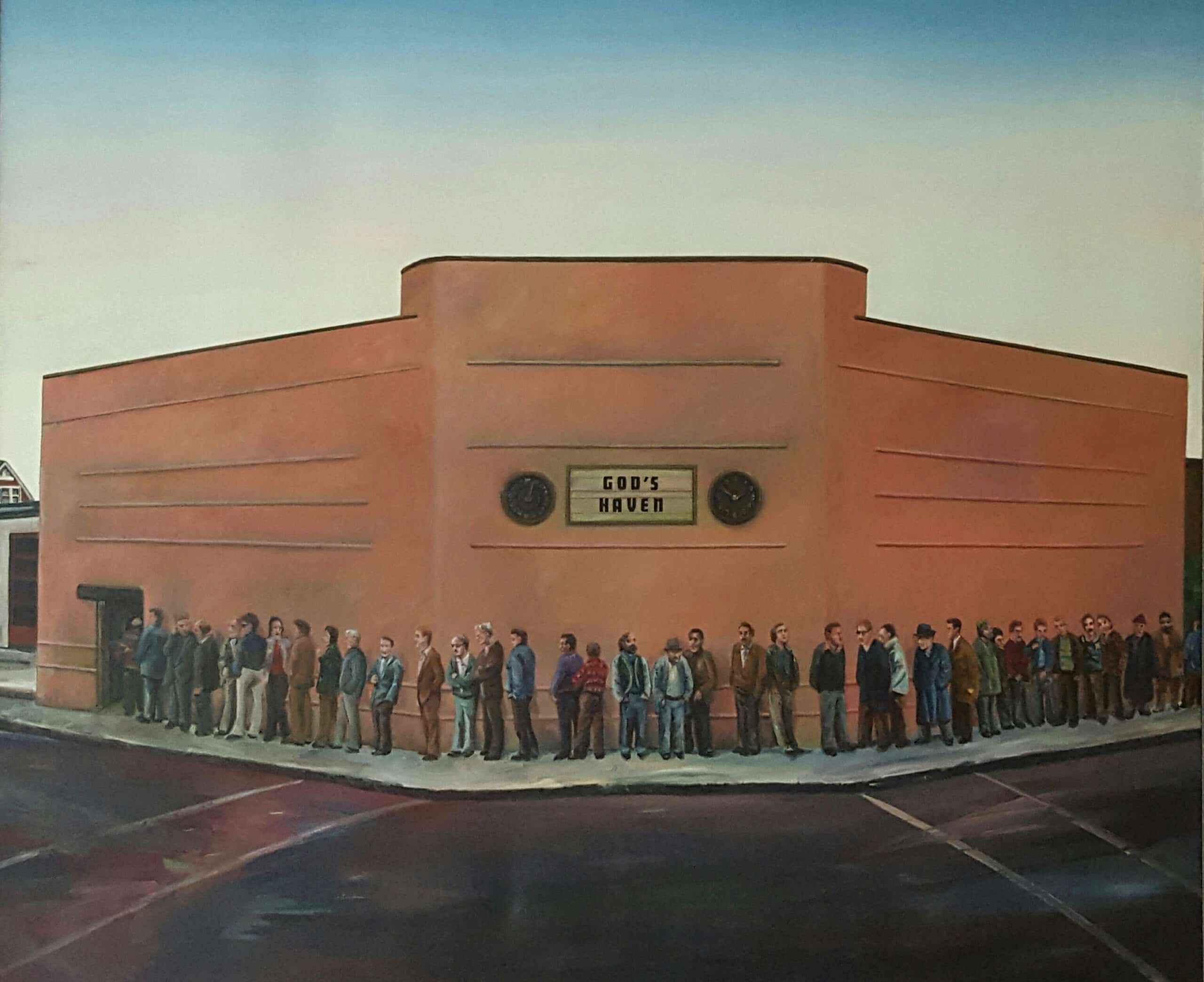
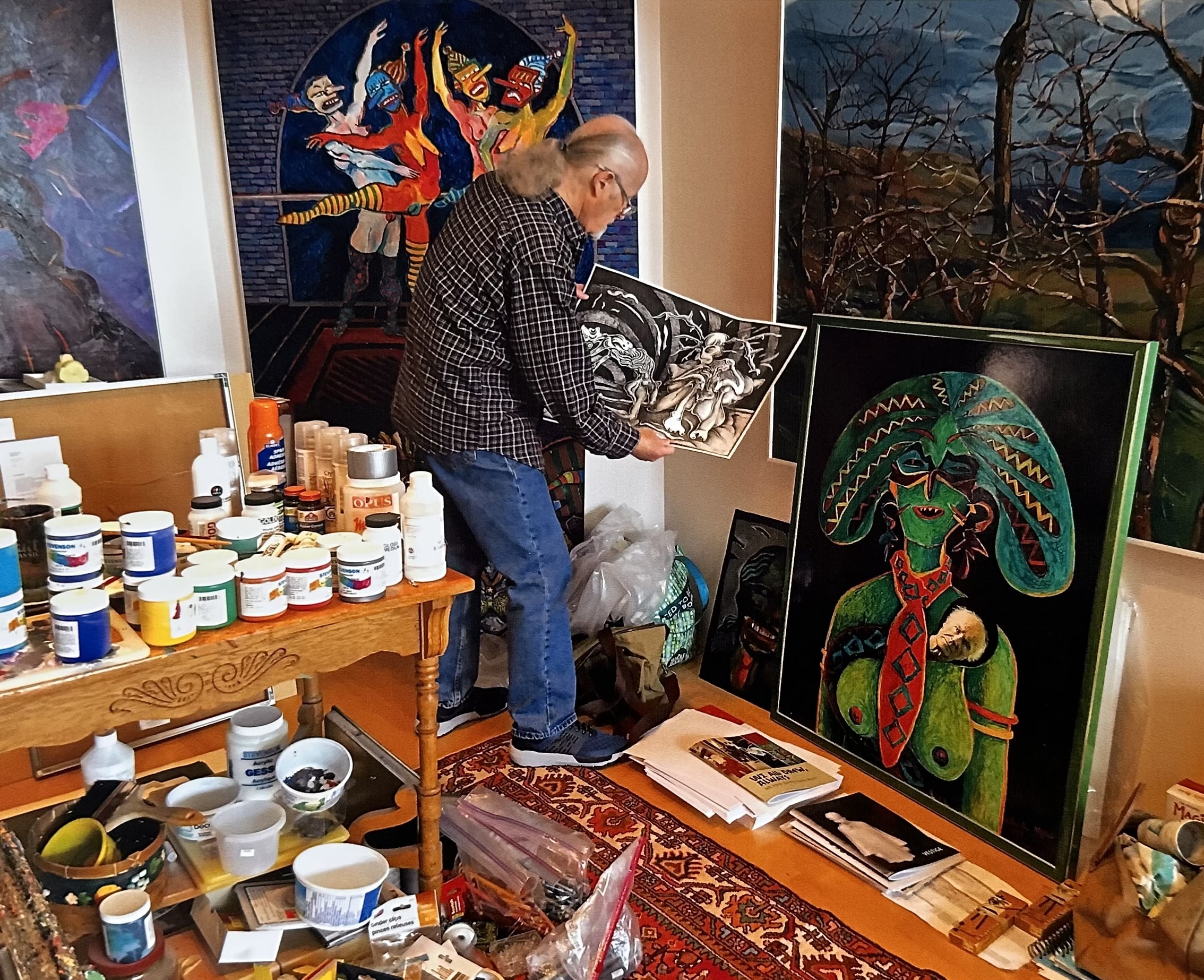
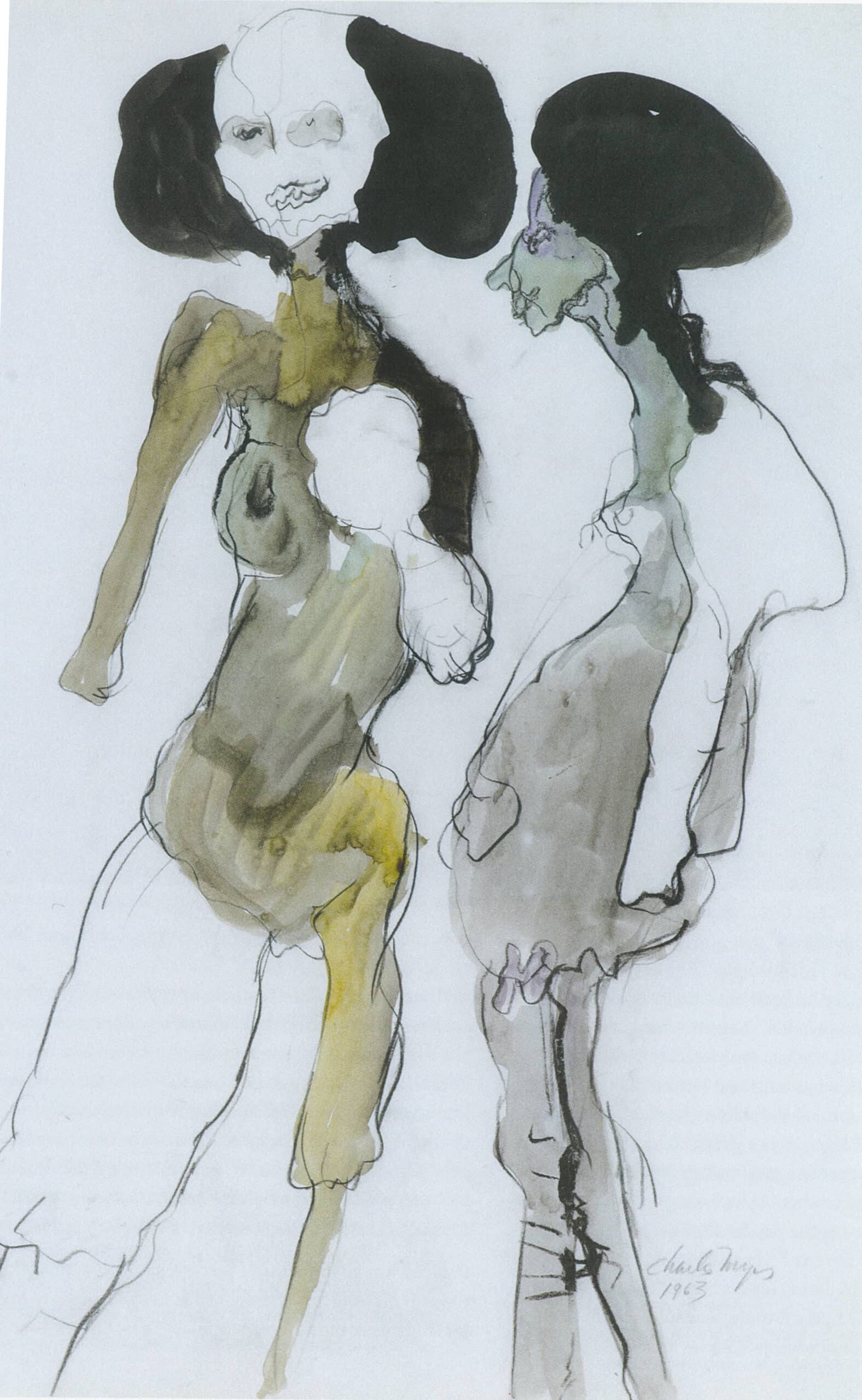
From Frank’s Expo designs and imaginative abstracts, Bill’s expressionistic landscapes, to Charlie’s loud and vibrant female portraits and David’s witty and winking paintings that poke fun at consumerism and religion, the Mayrs brothers forged their own paths from their training at the Vancouver School of Art and continued to create artworks that did not fit in any tidy box.
Charlie tells future students to keep on going despite rejections from galleries and other outside forces, “Never give up. Art can be difficult. It’s like any business; repeated rejection can cause you to back off of approaching galleries. But I would say stay strong and work hard.”
As ECU celebrates its centennial year, it is vital to remember the artists whose hard-fought decisions to attend the school helped shape Vancouver’s artistic landscape. For Margie and Katy, the courage their father and uncles demonstrated in their creative passions is something they would impart to the next generation of artists at ECU.
“They all went there facing a little bit of adversity from their parents, and they all chose to do it anyway. I think that’s brave to follow your passion and follow your dreams. These four guys did it. They all followed their creative passions, faced challenges and ultimately did what they loved and if you asked them, they would all advise you to do the same.”
100 Years of Creativity: The Stories that Shaped Us
As part of Emily Carr University’s centennial celebrations and our ‘100 Years of Creativity’ campaign, we are sharing stories that spotlight the creativity, resilience and impact of our community over the past 100 years. These stories feature the people, projects, places and ideas that have shaped ECU, reminding us of our shared legacy while inspiring the future. By revisiting past milestones and sharing new ones, we honour the many voices that built our institution and continue to guide its path forward.
For more information about ECU 100 centennial celebrations, upcoming events and stories, visit our webpage.