Design for impact + shape the future of interaction.
Our Master of Design (Interaction) is a two-year, on-campus program that blends creative research and material exploration through coursework and thesis development. Rooted in UX/UI, it moves well beyond, challenging conventional design and engaging with nature, services and systems, human-technology relations, data ethics, computation and more.
As an MDes Interaction student, you’ll develop a critical and experimental approach to interaction design, exploring how creative practice can respond to changing technologies, including AI, while developing an independent thesis that pushes the boundaries of design.
Successful applicants to the MDes program may be placed in either the Interaction or Interdisciplinary cohort based on their practice and research goals.
What You’ll Learn
The curriculum integrates studio practice with creative and theoretical research, while cultivating a holistic interaction design perspective.
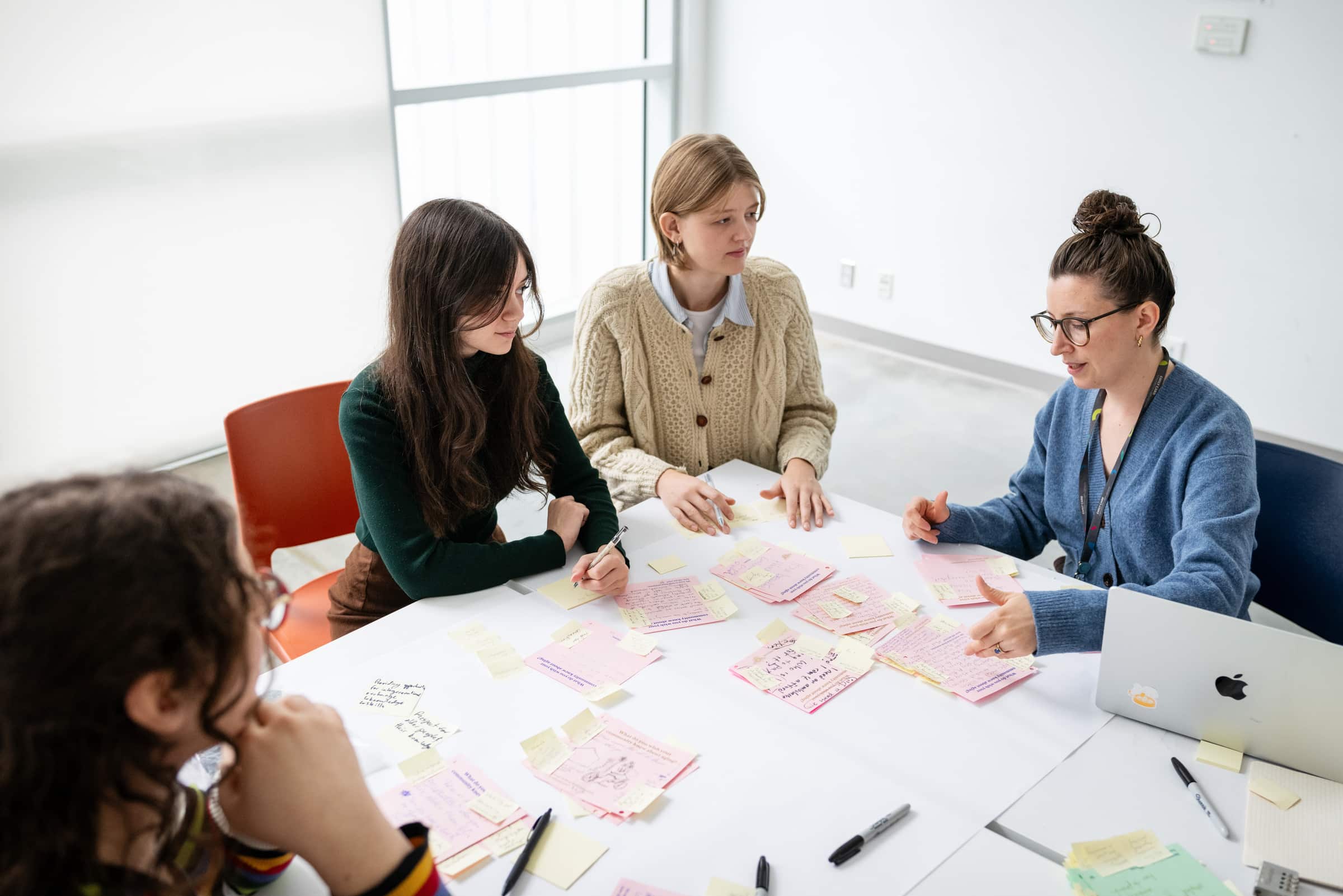
Students envision futures through critical dialogues, collaborative projects and independent research, culminating in a thesis that combines practical design work with scholarly analysis. With access to on-campus research centres and labs, you will participate in speculative writing and experimental and collaborative design.
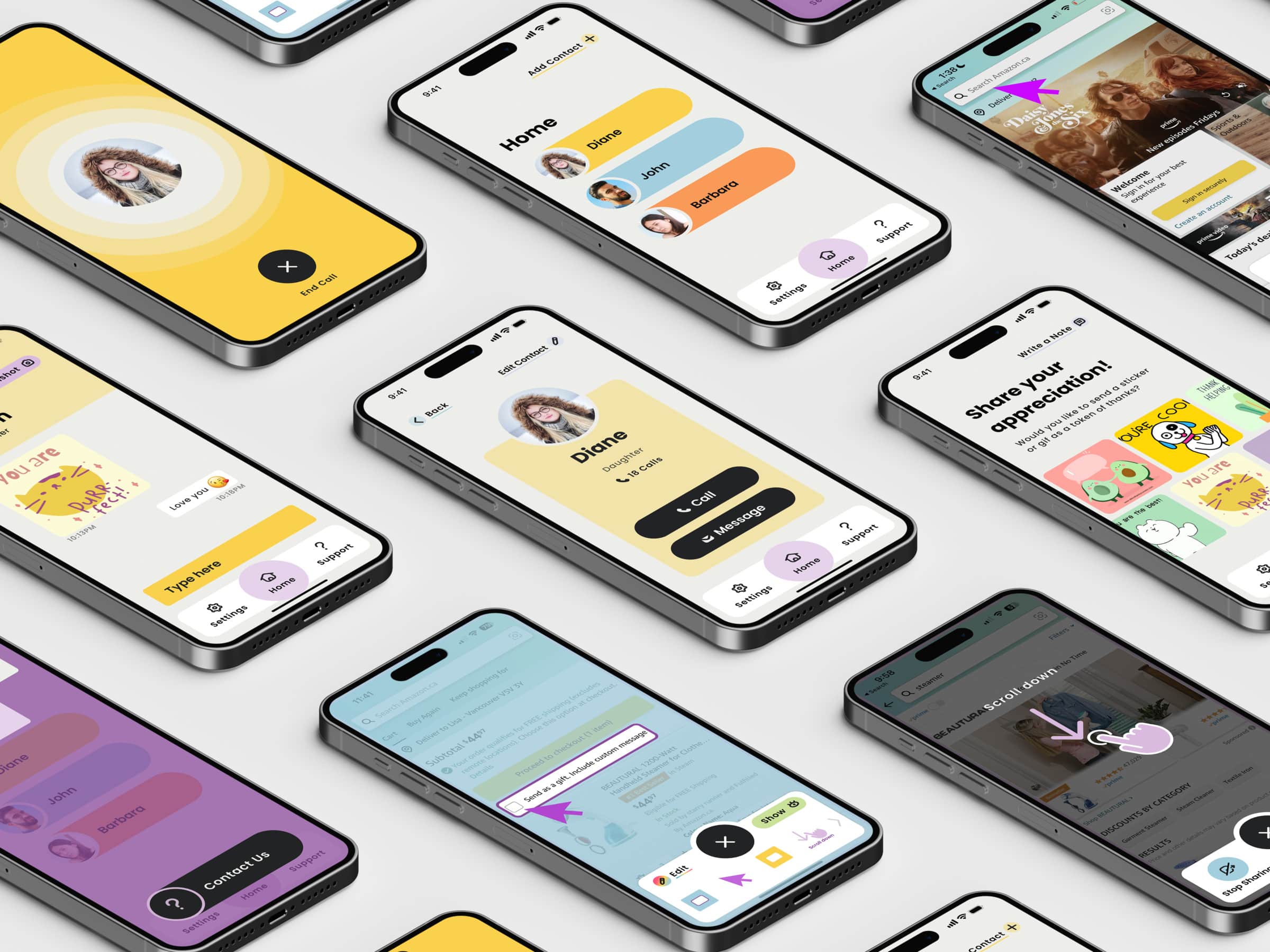
Through research seminars and studio classes, you’ll refine your design practice and develop approaches to contemporary issues in interaction design, with opportunities to explore computation, AI tools and other forms of creative technology.
Program Highlights
- Define and develop a personal research focus within interaction design, exploring areas such as human behaviour, digital-physical relationships, ephemeral materials, psychology and emerging technologies
- Work within a studio-based, research-driven environment that encourages critical inquiry and challenges assumptions about how we engage with each other and the world
- Explore generative AI tools through critical inquiry and creative practice, developing the skills to navigate new technologies and their possibilities and limitations
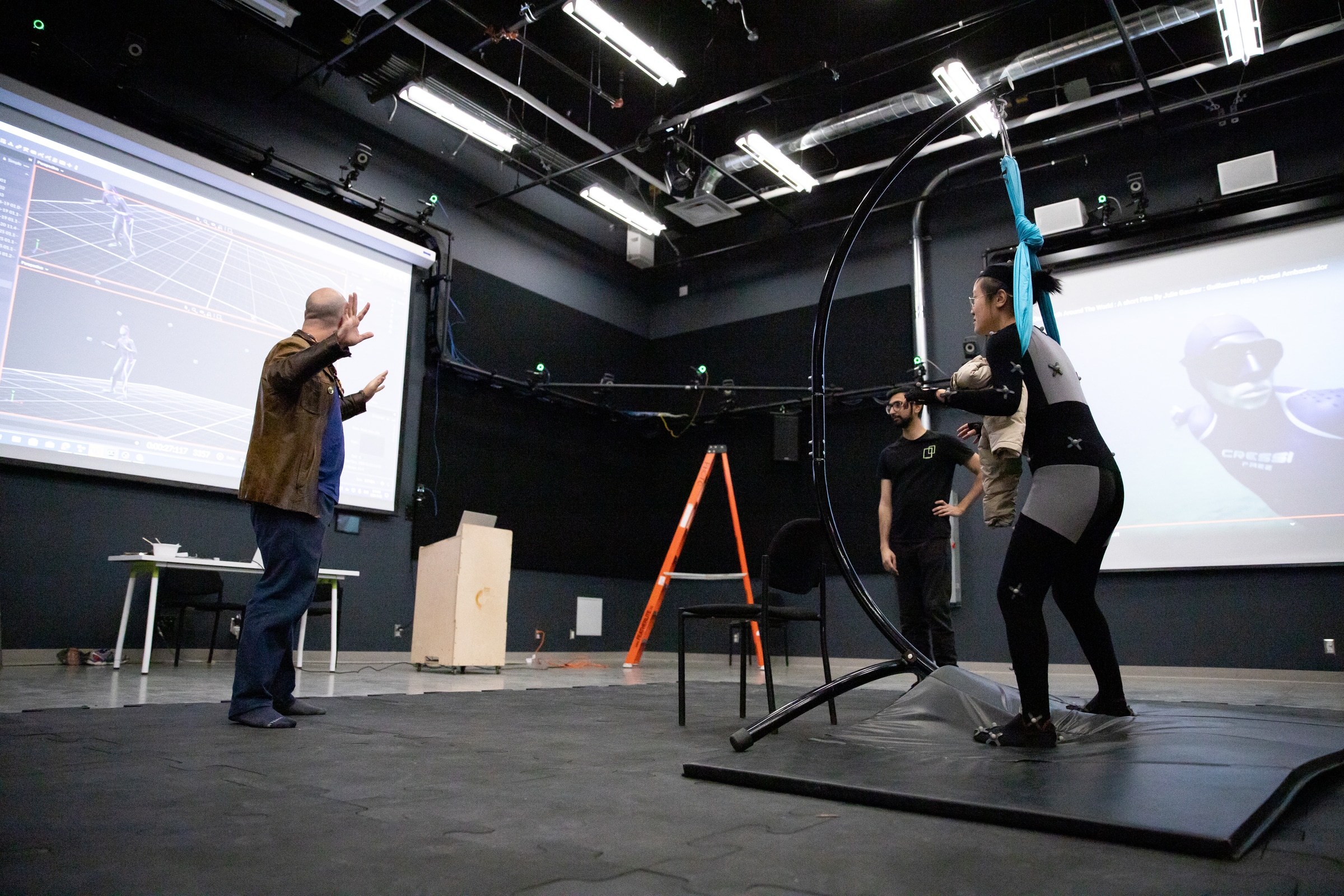
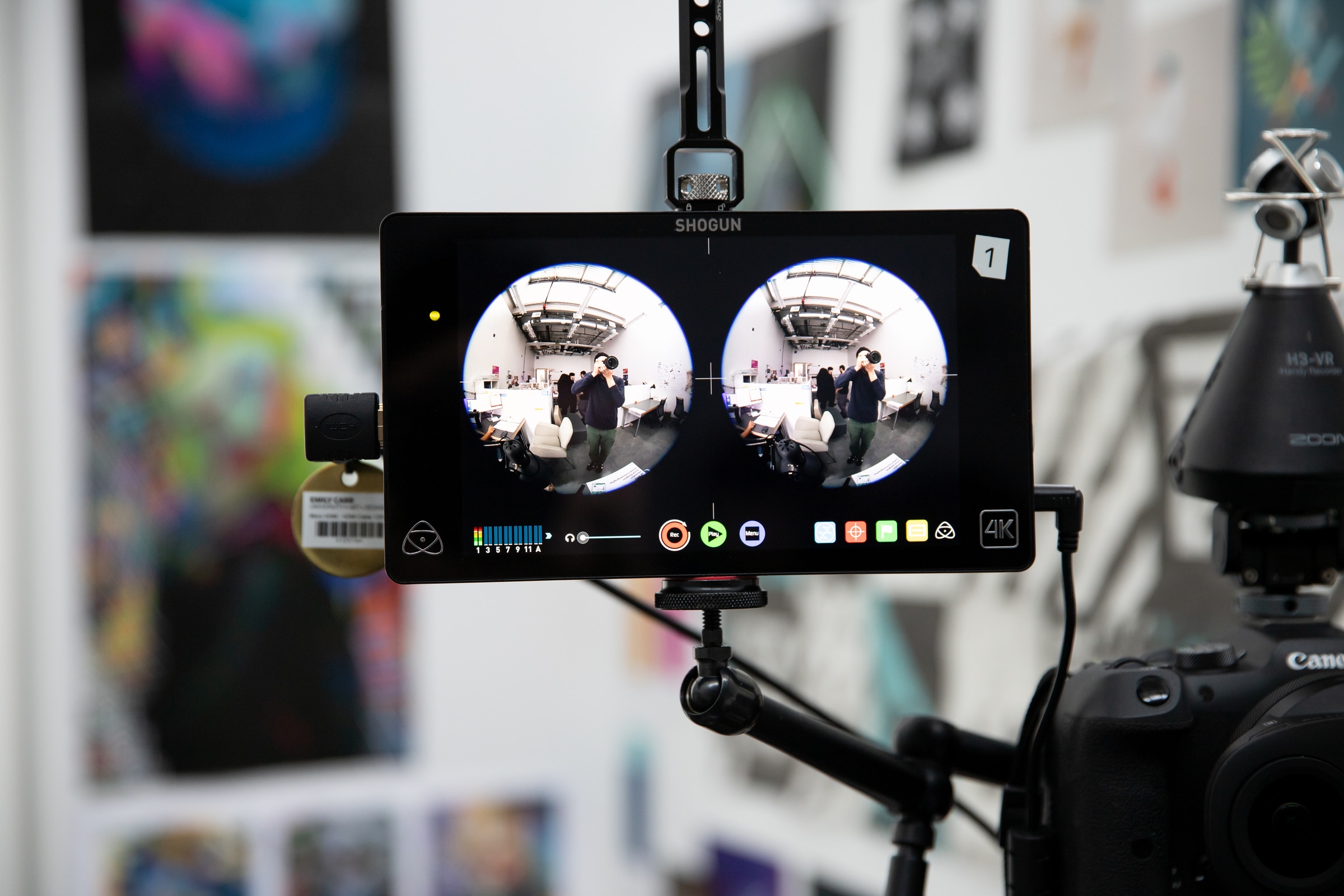
- Access on-campus labs—including a dedicated VR lab—and receive guidance in participatory and speculative research methods year-round
- Engage in coursework, including research seminars and studio classes, as well as presentations and lectures from leading designers and scholars to support your thesis development and supplement your design practice