Transform Your
Creative Practice
We offer two graduate degrees: Master of Fine Arts and Master of Design. Each program is designed to challenge you, deepen your practice, and prepare you to shape the future of art and design.
Explore our Graduate Programs
Master of Fine Arts – Full + Low Residency Options
Choose an on-campus, full-residency option with year-round studies in Vancouver, or one of two online-first, low-residency options that combine virtual learning from your hometown with on-campus summer residencies.
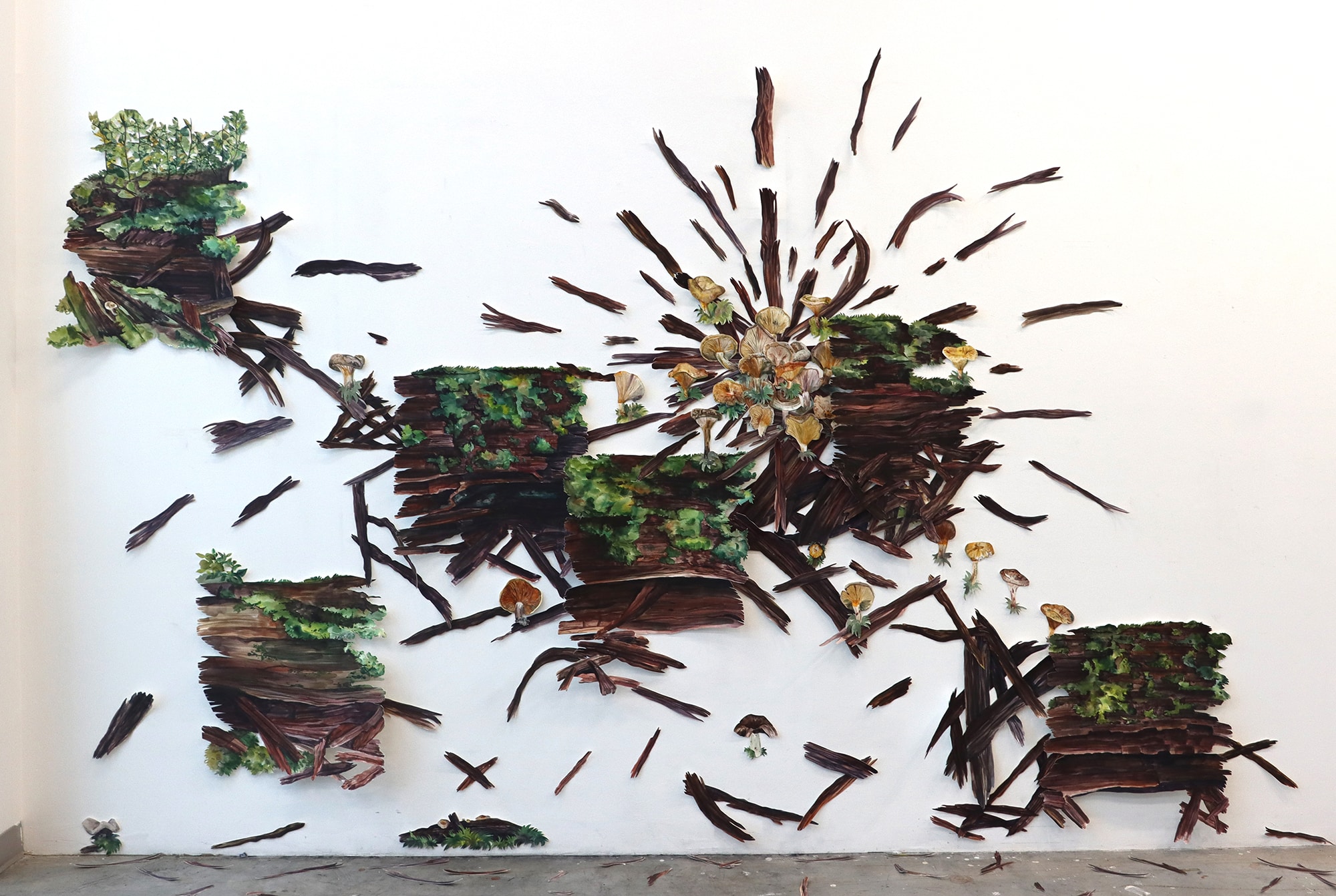
Quick Comparison of our MFA Programs
| MFA (Full Residency) | MFA (Low Residency) | MFA (Low Residency, Critical Ecological Practices | Similarities | |
|---|---|---|---|---|
| Program Format | Full-time, on-campus, year-round access to studios and facilities. 5 terms. | Full-time, online and synchronous in fall and spring + up-to-a-month-long on-campus summer residency. 6 terms. | Full-time, online and synchronous in fall and spring + up-to-a-month-long on-campus summer residency. 6 terms. | All are two-year MFA graduate programs. |
| Focus Areas | Interdisciplinary studio-based fine arts/media arts practice, material processes, contemporary art production. | Interdisciplinary studio-based fine arts/media arts practice, material processes, contemporary art production. | Focused on ecological and environmental issues. Studio-based fine arts/media arts practice, material processes, contemporary art production. | All emphasize creative research, studio practice, and artistic exploration in the practice and research topic of your choosing. |
| Thesis Development | Thesis project includes writing and studio production, with exhibitions. | Thesis project includes writing and studio production, with exhibitions. | Thesis project includes writing and studio production, with exhibition. | All culminate in a final thesis project. |
| Research + Methods | Material exploration, critique-based practice, theoretical frameworks, critical inquiry. | Material exploration, critique-based practice, theoretical frameworks, critical inquiry. | Focused on ecological and environmental issues. Material exploration, critique-based practice, theoretical frameworks, critical inquiry. | All integrate research seminars, studio classes, faculty mentorship and professional development. |
| Access to Facilities | Year-round access to studios, labs and research centres. | Summer access to studios, labs and research centres. Local students can access campus facilities and studios year-round. | Summer access to studios, labs and research centres. Local students can access campus facilities and studios year-round. | All local students have regualr access to campus facilities and studios. |
| Community + Collaboration | In-person peer critiques, faculty engagement, visiting artist and scholar series, public exhibitions. | Virtual peer critiques, faculty engagement, visiting artist and scholar series. Public exhibitions and optional on-campus events. | Virtual peer critiques, faculty engagement, visiting artist and scholar series. Public exhibitions and optional on-campus events. | All streams emphasize community ties and offer strong online and/or in-person cohort connections using customized tools. |
| Approach to Art Practice | Studio-based, material-driven, anchored in theory, interdisciplinary and exploratory. | Home-studio-based, material-driven, anchored in theory, interdisciplinary and exploratory. | Home-studio-based, material-driven, anchored in theory, environmentally and culturally transformative. | All encourage critical engagement and production of contemporary art. |
| Target Students | Artists seeking an on-campus immersion. | Artists seeking a professional artistic community via flexible remote learning from their hometown. | Artists seeking a professional artistic community via flexible remote learning from their hometown for an ecology-focused experience. | All are open to artists and creative practitioners from diverse backgrounds and career aspirations. |
Master of Design – Full Residency Only
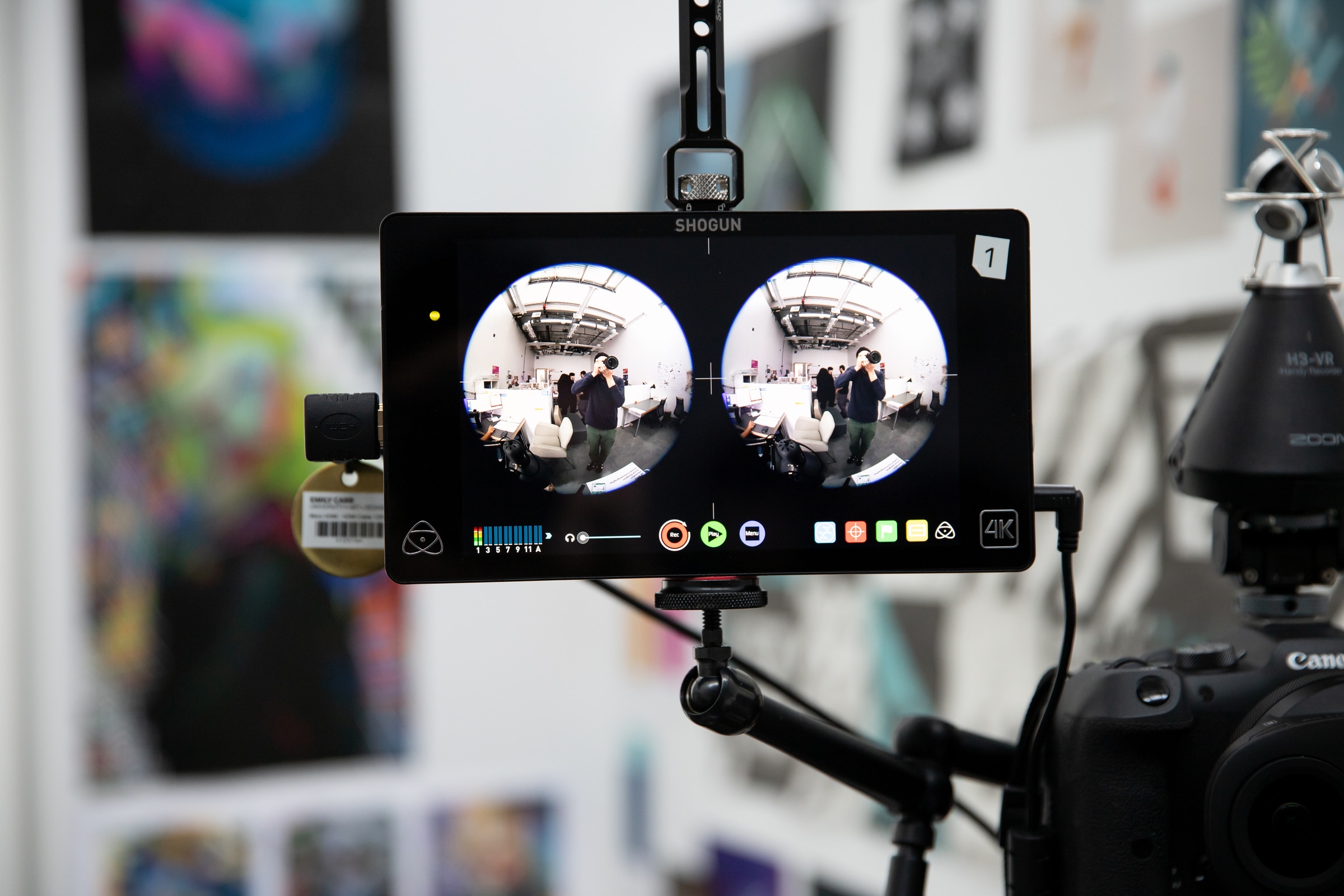
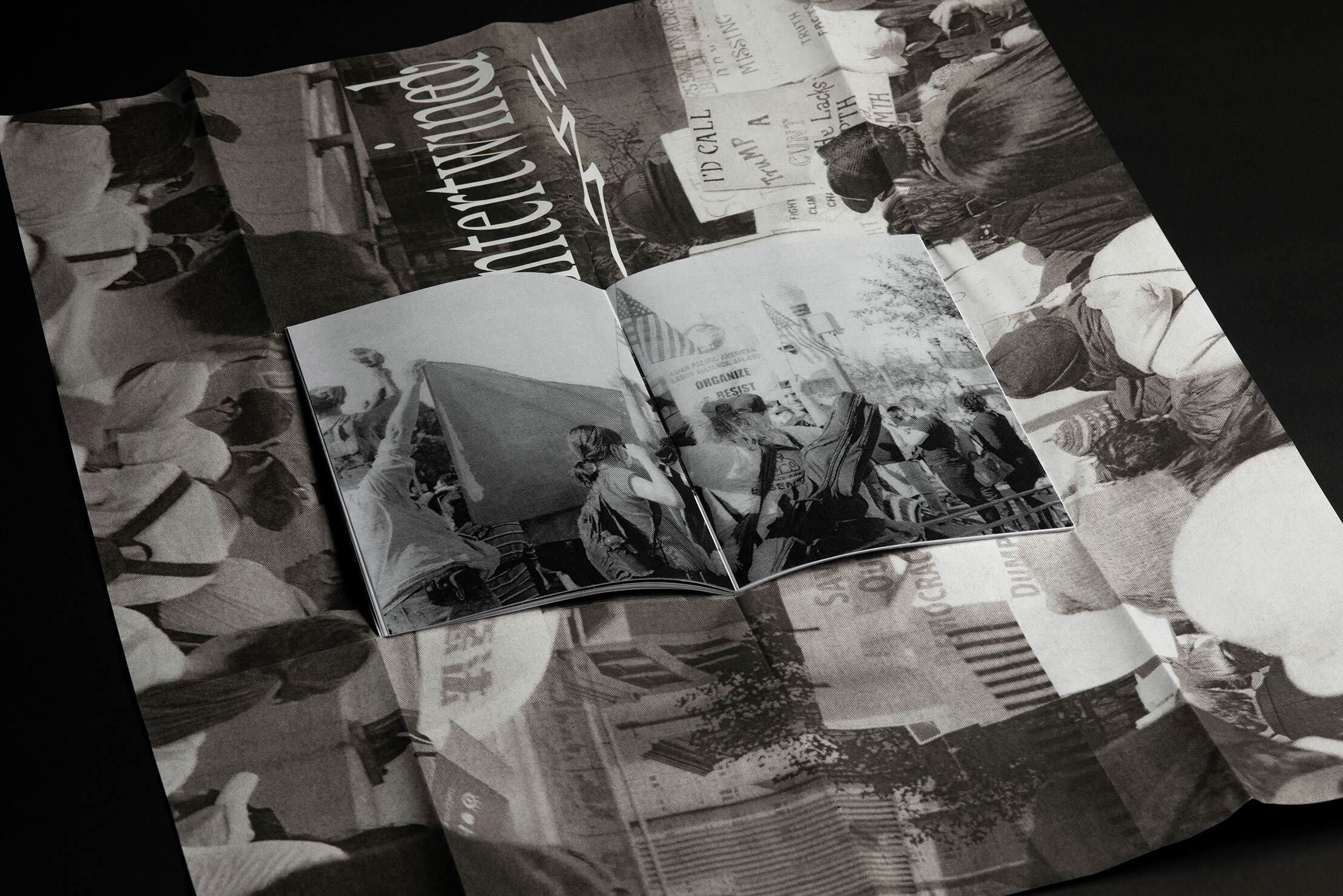
Quick Comparison of our MDES Programs
| MDES (Interdisciplinary) | MDes (Interaction) | Similarities | |
|---|---|---|---|
| Program Format | Full-time, on-campus program with access to studios, research labs, and workshops. 5 terms. | Full-time, on-campus program with access to studios, research labs, and workshops. 5 terms. | Both are two-year graduate programs. |
| Focus Areas | Various design practices with an emphasis on human-centered design and material exploration. Students may choose an interdisciplinary practice. | UX/UI, interaction design, human–technology relationships, systems thinking, and ethics in technology. | Both emphasize creative research, practice-based learning, and theoretical research. |
| Thesis Development | Independent thesis on a design topic of choice, supported by a faculty supervisor. | Independent thesis focused on interaction, human behaviour, and technology, supported by a faculty supervisor. | Both streams require an independent thesis project with faculty supervision that includes a written part and a practical part. |
| Research + Methods | Conceptual and theoretical research combined with hands-on making and material experimentation. | Conceptual and theoretical research combined with hands-on making and material experimentation. | Both include research seminars and studio classes, that encourage experimental and speculative research methods. |
| Access to Facilities | Full on-campus access to studios, research labs, workshops and campus resources. | Full on-campus access to studios, research labs, workshops and campus resources. | Both offer access to advanced campus facilities, technologies and making spaces. |
| Community + Collaboration | Public presentations, guest lectures, critiques and on-campus community engagement. | Public presentations, guest lectures, critiques and on-campus community engagement. | Both provide opportunities for mentorship, guest speakers and showcasing work. |
| Approach to Art Practice | Thoughtful, exploratory, hands-on, and material-driven design practice. | Playful, critical, technology-focused, and user-centered design practice. | Both emphasize pushing boundaries and challenging conventional design norms. |
| Target Students | Designers interested in material practices and experimental design approaches in an interdisciplinary environment. Students produce work in the design field of their choice. | Designers interested in UX, systems thinking, interaction design, and human-centered technology. | Open to students from diverse design and creative backgrounds and interests. |
A Time to Explore + Refine
Our Master of Fine Art (MFA) and Master of Design (MDes) graduate degree programs are two-year, full-time programs. Students engage in hands-on studio practice and critical inquiry, participate in one-on-one and group critiques, and regularly receive feedback from teaching faculty, peers and visiting professionals.
Explore our varied program formats: we offer in-person, on-campus immersive learning in our MFA Full-residency and MDes cohorts, as well as online-first learning in the MFA Low-residency cohorts.
Graduate students enjoy a dedicated studio space at the Centre of Digital Media, just across the street from the ECU campus. The studios are specifically set up to support MFA and MDes creative practice and research. With access to individual and communal studio spots, as well as reservable hot-desk studios, students make, experiment and foster connections in a space exclusive for graduate-level work.
Mentorship + Thesis Supervision
All grad students develop a master’s thesis project with the guidance of a faculty supervisor. In all of our graduate cohorts, mentorship fosters critical thinking, experimentation and professional growth, empowering students to produce innovative and impactful thesis projects that position them as leaders in their creative fields.
Students receive ongoing support from mentors who bring diverse expertise across the disciplines of design, art and media. Supervisors work closely with students to shape their research questions, refine their creative processes and challenge their conceptual and material approaches.
Centre for Digital Media
The Centre for Digital Media (CDM) is a collaboration between Emily Carr University, University of British Columbia, Simon Fraser University and British Columbia Institute of Technology, located on Great Northern Way, next door to ECU.
ECU’s Graduate Studios @ CDM hosts individual and shared workspace for our MDes and MFA students. Learn more and take a video tour here.
CDM also offers students the opportunity to take graduate-level courses in digital media and collaborate across disciplines. The Master of Digital Media at the Centre for Digital Media is an internationally recognized, research-informed and industry-relevant professional graduate program that engages students in the development of digital media products. Prospective students are encouraged to apply to the CDM program directly.
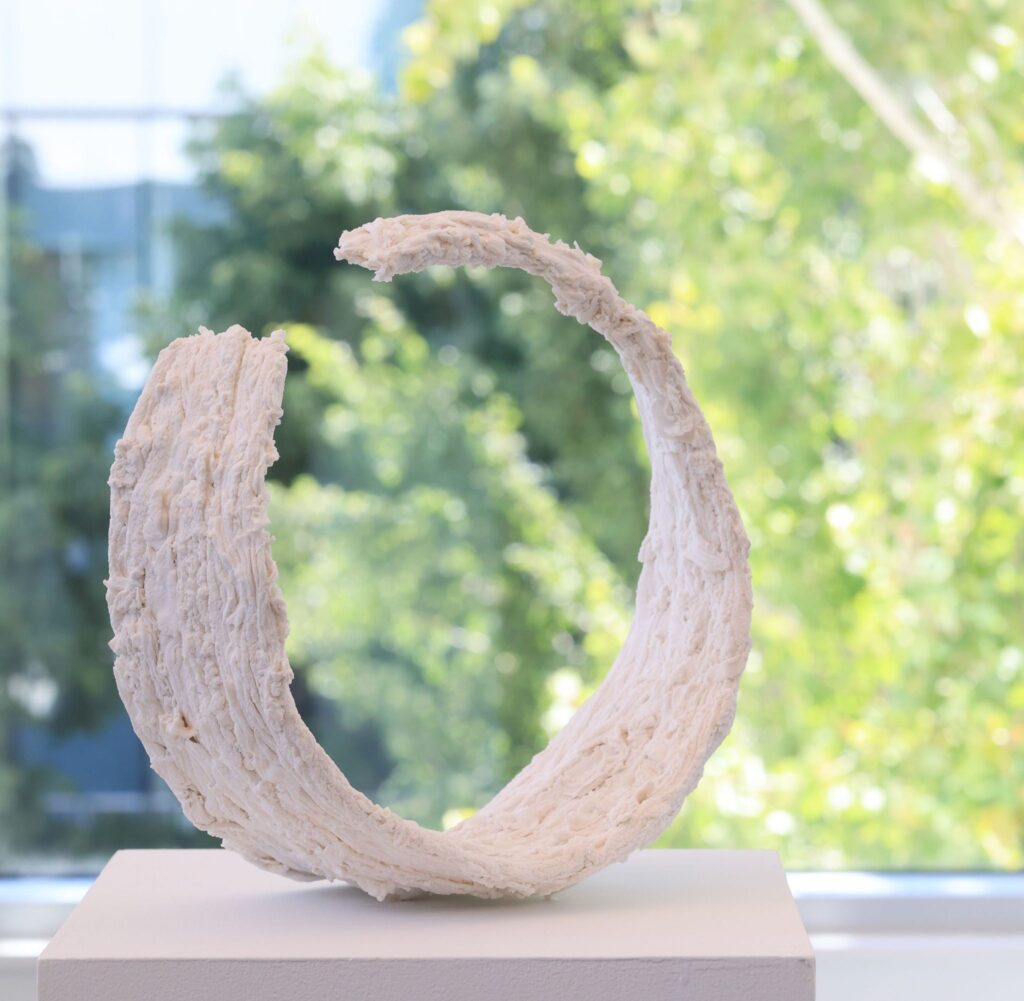
Jake Kerr Faculty of Graduate Studies
Emily Carr University’s Jake Kerr Faculty of Graduate Studies offers interdisciplinary programs in design, media and visual arts.
Our graduate community attracts exceptional students worldwide and provides unique opportunities for research and creative practice.

Stay Connected
Follow us or subscribe to our emails for announcements, invitations and to be part of the greater ECU community.