The students’ creations will be available to the public during a pop-up market at The Polygon Gallery from Mar. 19 through Mar. 27.
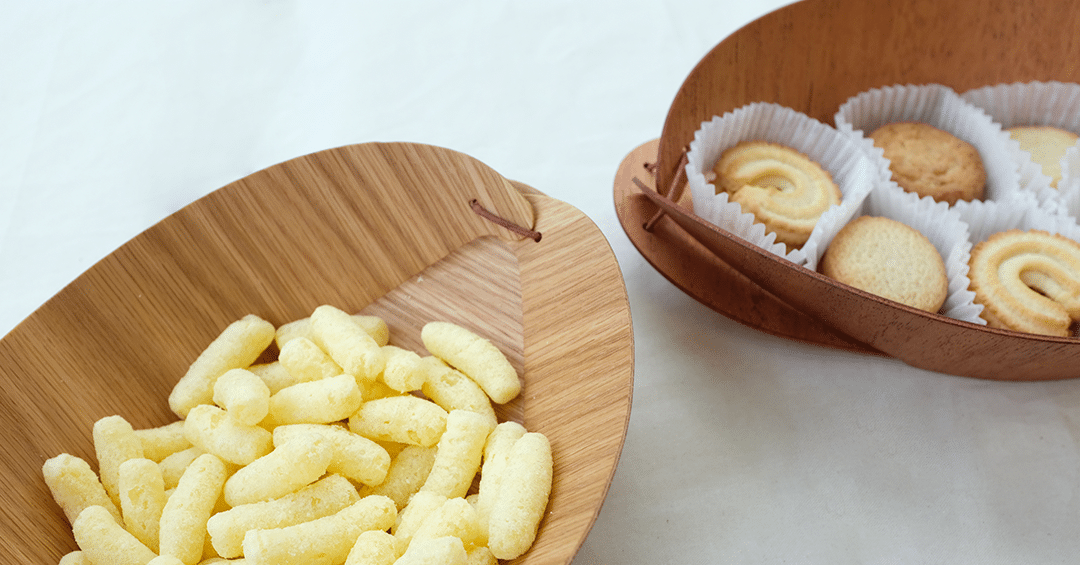
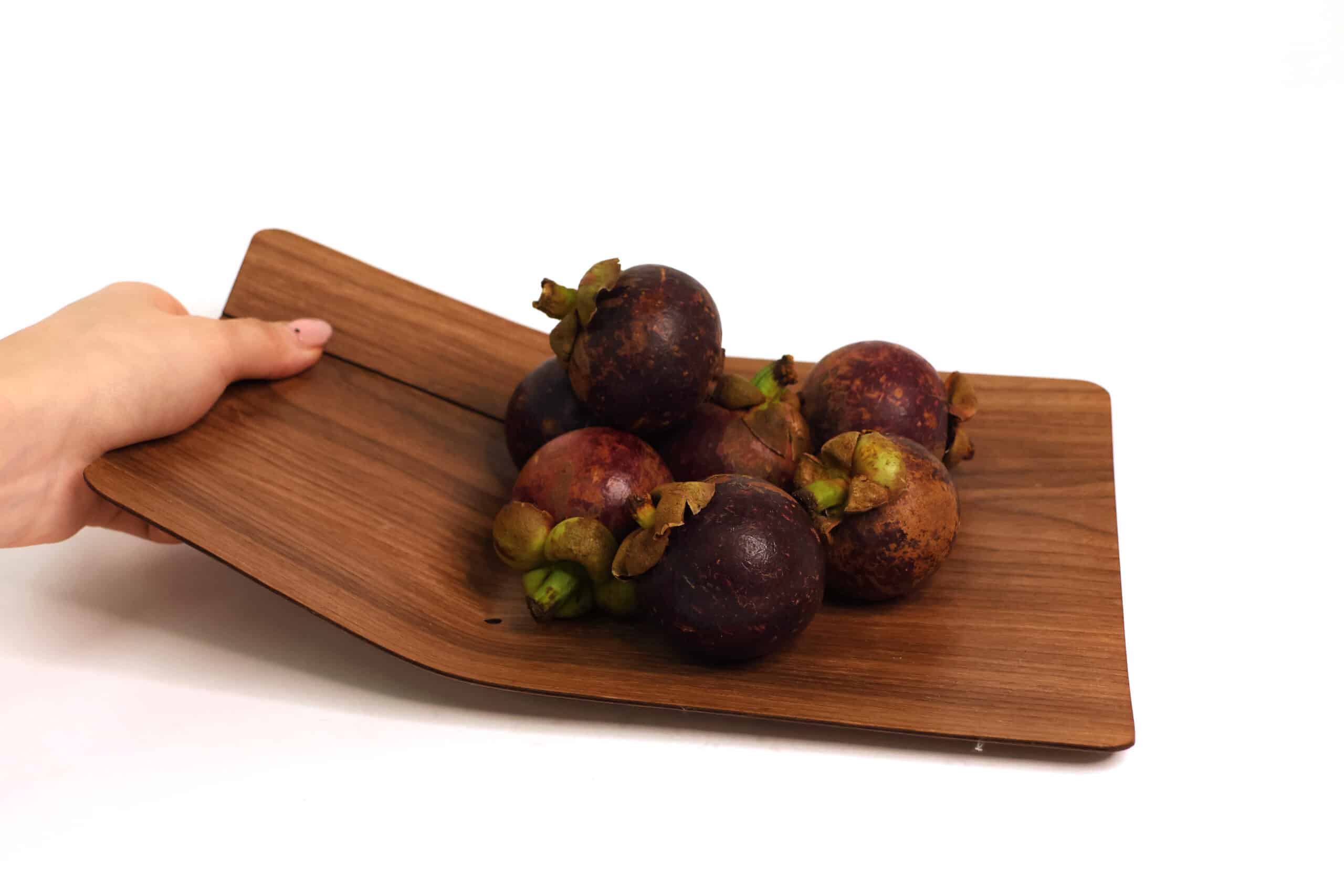
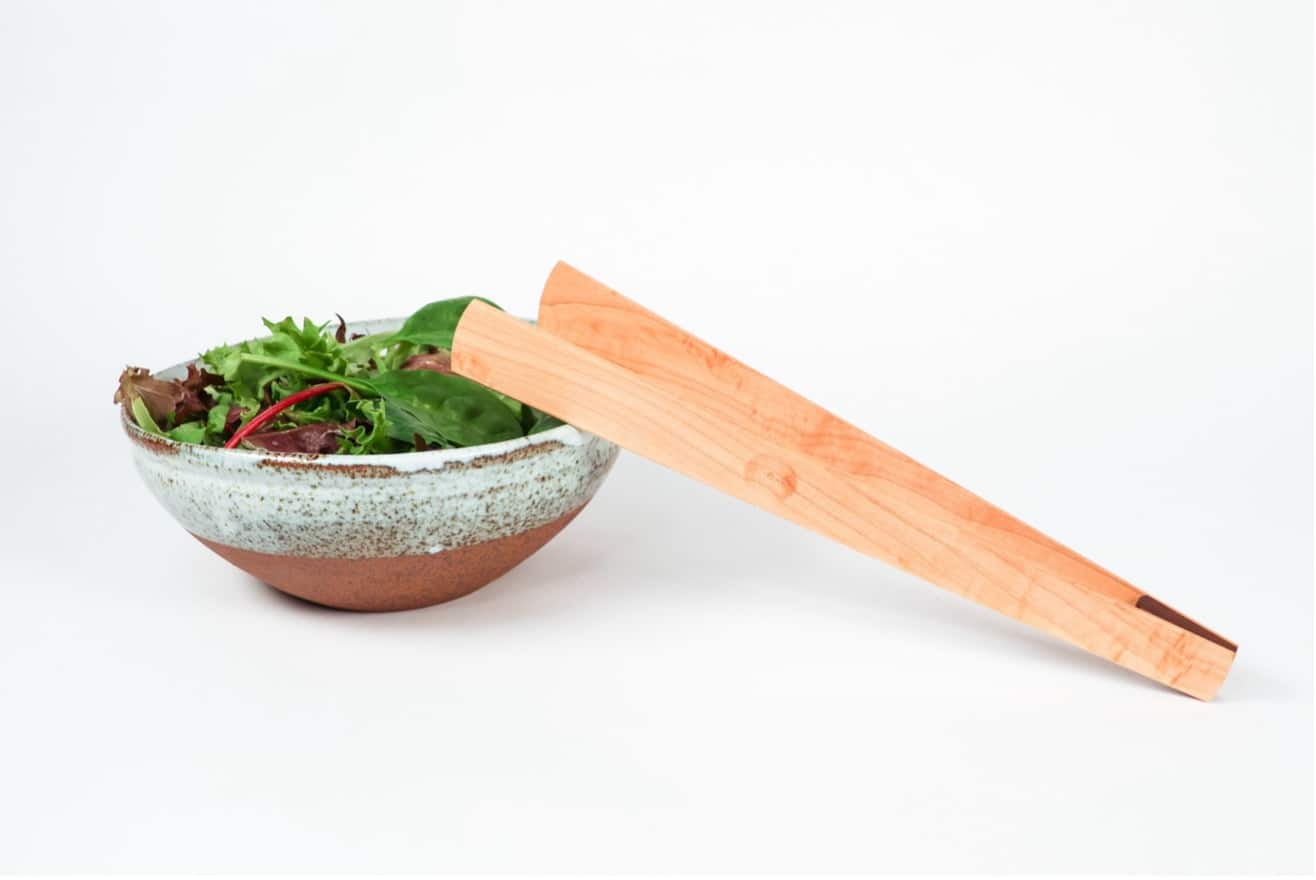
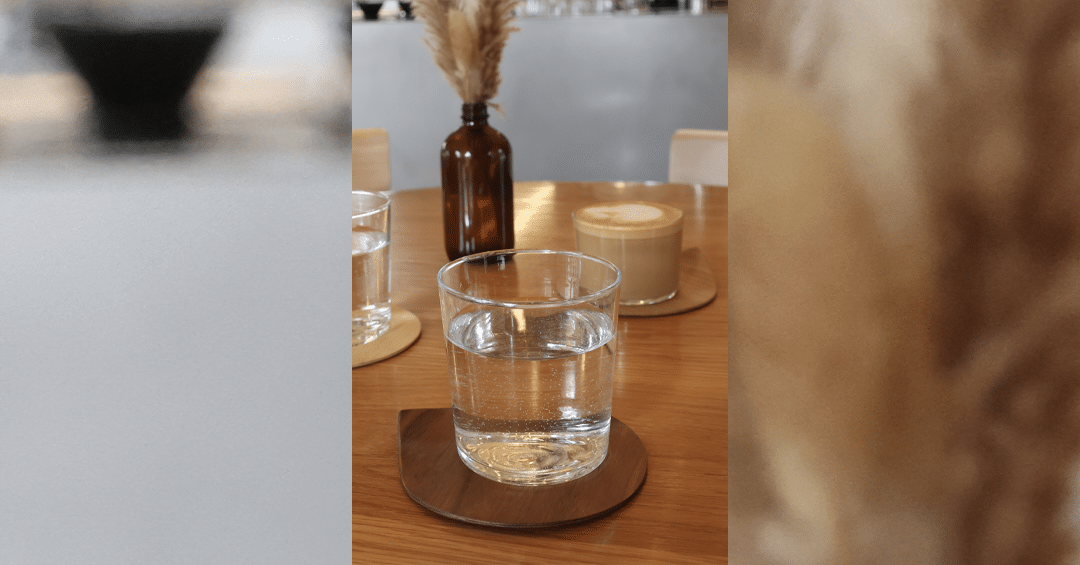
Industrial Design students at Emily Carr University of Art + Design (ECU) are working with local food & beverage businesses to design new solutions for food service, transport and display.
The project, which will be showcased in a pop-up market opening Mar. 19 at The Polygon Gallery, gave students a chance to develop their degree skills in a real-world design context.
“We approached our business partner without knowing anything about their needs, so we visited multiple times to see where a design intervention might be helpful,” says fourth-year student Kiki Lin, who, along with classmates Teanna Wang and Linda Riestra, worked with Flourist, a local grain mill, dry goods store and cafe.
“It was a great way to apply our design skills and improve our ability to observe and understand an environment.”
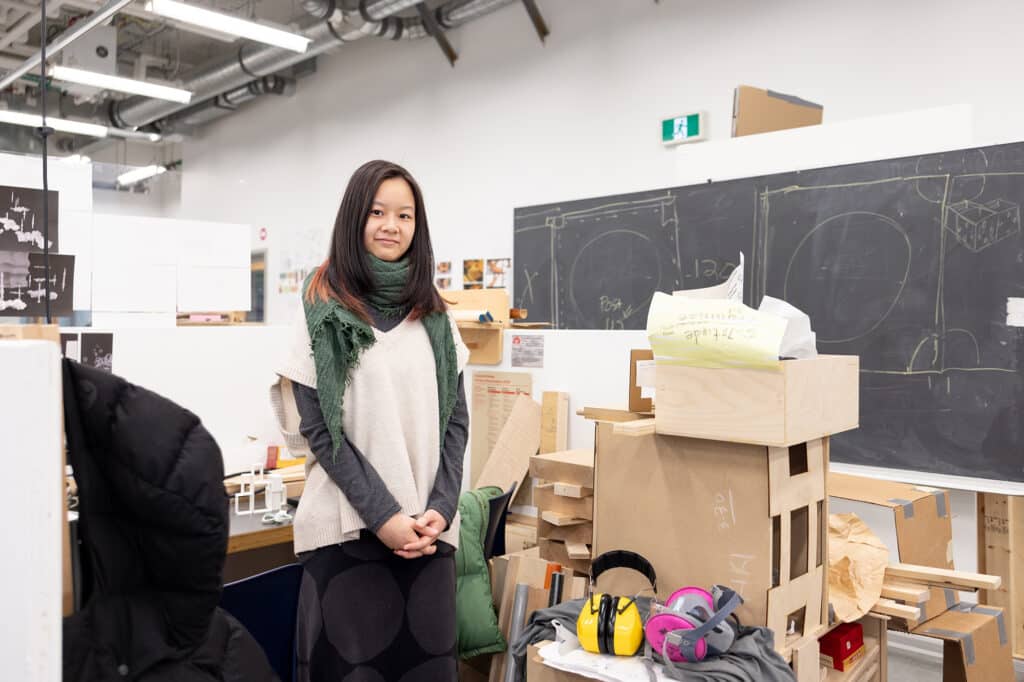
The project is part of an annual Industrial Design class called ‘Design / Make.’ Led by ECU faculty member Christian Blyt, the class puts students in dialogue with external partners, including Marie Ng, Buyer at The Polygon Gallery, toward a week-long public market in the gallery’s lobby.
“‘Design / Make’ deepens classroom learning by positioning making as a form of inquiry, where students develop knowledge through direct engagement with materials, process, and creative experimentation,” Christian says.
“Its value as an applied research project lies in connecting the classroom to communities, stakeholders, and industrial partners, where collaboration and knowledge exchange help students understand design as a rigorous, socially relevant, and responsible way of responding to the real world.”
The 2026 edition of ‘Design / Make’ tasked students with finding, interviewing and designing for local restaurants and food businesses. In teams of three, students worked for weeks with partners including The Acorn, Dear Gus Snack Bar, Osterio Savio Volpe and Harvest Community Foods to create products responding to their needs, and suitable for their patrons’ homes as well.
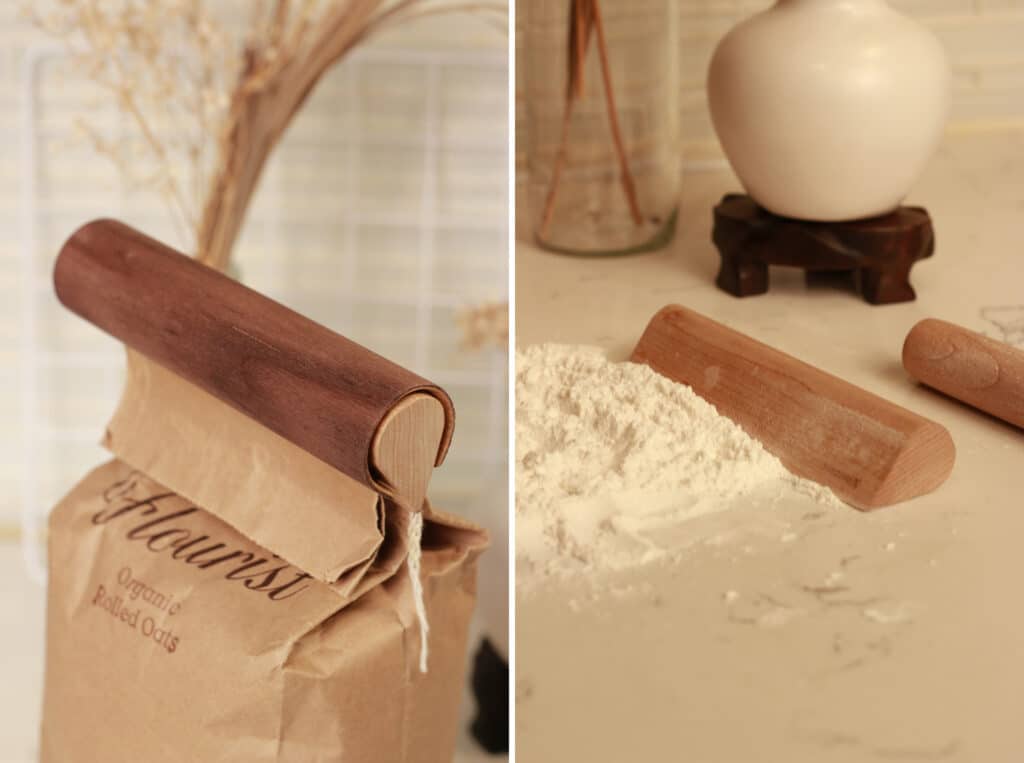
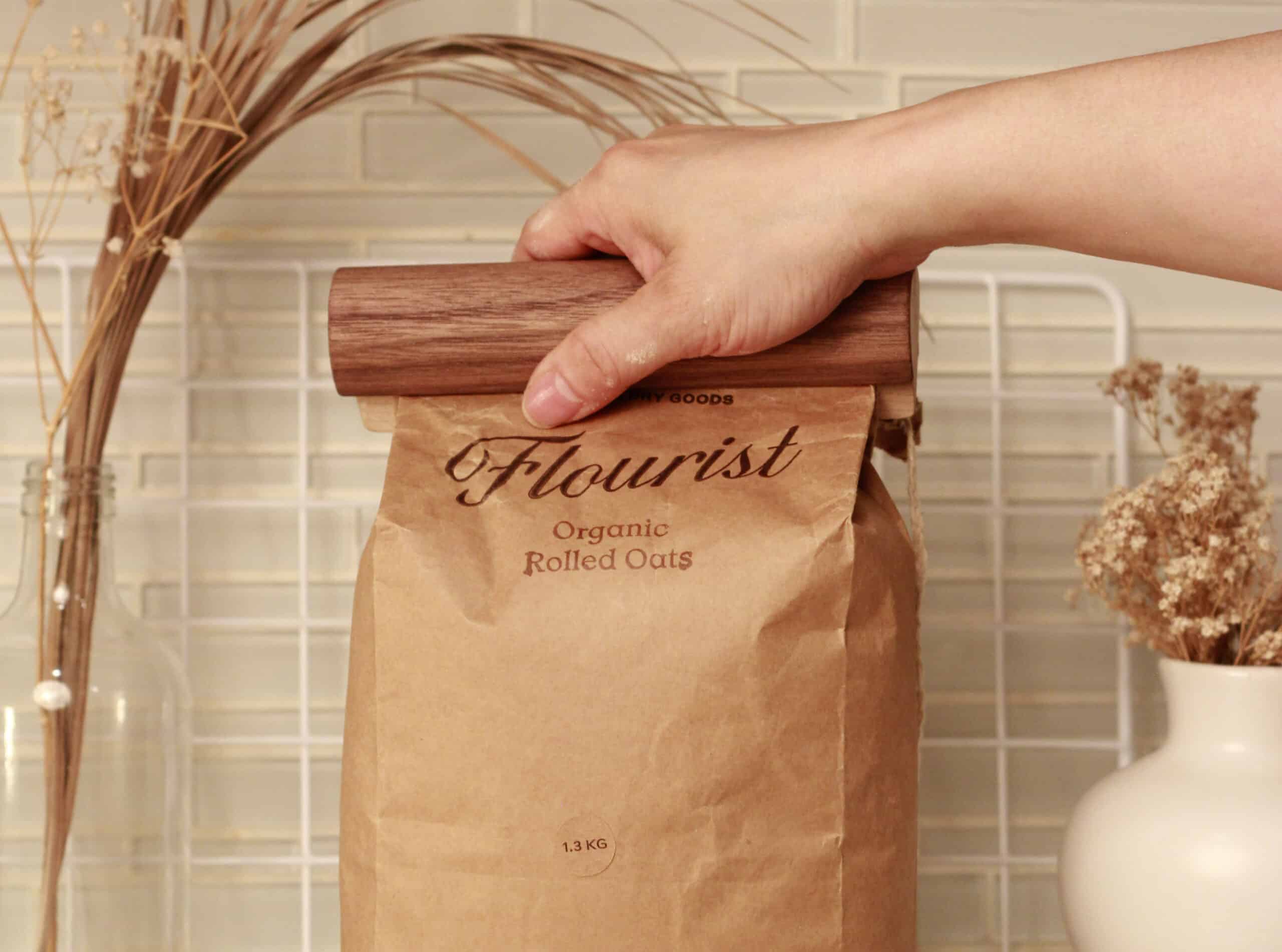
After carrying home a bag of flour from Flourist, Kiki’s teammate Teanna realized there might be an elegant way to provide a reusable grip for the heavy item. Over weeks of experimenting with shapes and materials — and with feedback from Christian, Marie and Flourist manager Stefan Benninghoff — Kiki, Teanna and Linda developed Doumi. The simple wooden object slides onto dry-goods bags to provide an ergonomic handle, while its inner portion doubles as a flour leveller and scraper.
Stefan says he and his team were impressed by the students’ enduring curiosity and thoughtful questions about their operations, aesthetics and aspirations. Their work “exceeded our expectations,” he adds.
“You could see that they had really listened and translated our ideas into something tangible,” he continues. “This kind of collaboration is extremely valuable. For the students, it provides real-world experience and the opportunity to work in an actual business environment. For us, it brings a fresh perspective and new ideas that we might not otherwise consider in the day-to-day running of the business. It’s been a very positive experience for us.”
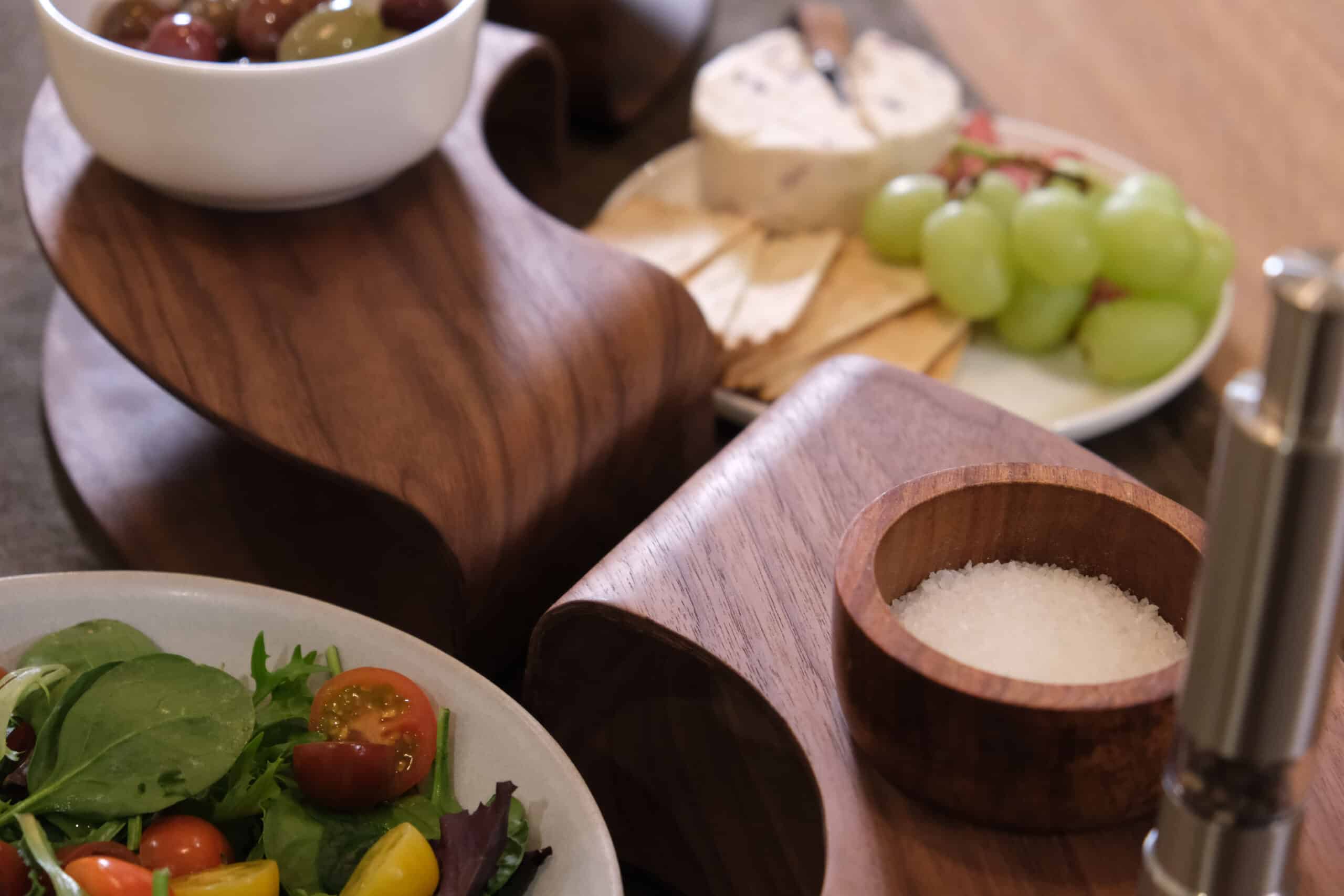
Throughout the class, Marie Ng, Polygon’s Buyer, shared her retail expertise on subjects including commercial appeal, price point and public engagement.
“This is such a special program, and each year it just gets better and better,” she says. “I’m blown away by the products the students create, and being able to contribute to their development is incredibly rewarding. Our guests love the pop-up market, too. Having face-to-face interactions with the students is a special kind of human connection. There’s a lot of value and joy in that, but for students, it’s also a unique learning opportunity.”
Kiki agrees, adding that the class gave her a chance to develop both her interpersonal and technical acumen in a professional setting.
“Working with Stefan and his team helped improve my confidence working with people outside the design community,” Kiki says. “I also feel more comfortable in my abilities as a designer and was able to expand my skills in retail and package design. This class has had a very valuable impact.”
Doumi and the rest of the students’ products will be available for purchase at the Design + Make Pop-Up at The Polygon Gallery from Mar. 19 through Mar. 27, with an opening reception from 6 pm to 9 pm on Mar. 19. Attendance is free and open to the public.
More about Industrial Design at ECU
ECU’s Industrial Design major is an immersive, hands-on program aimed at understanding and responding to our complex world in aesthetic, emotional and material ways. You’ll create products, services and experiences that support relationships between individuals, communities and the environment.
Visit our website to learn more.
Want more stories like this one delivered twice a month to your inbox?
Subscribe to our free Emix newsletter today!