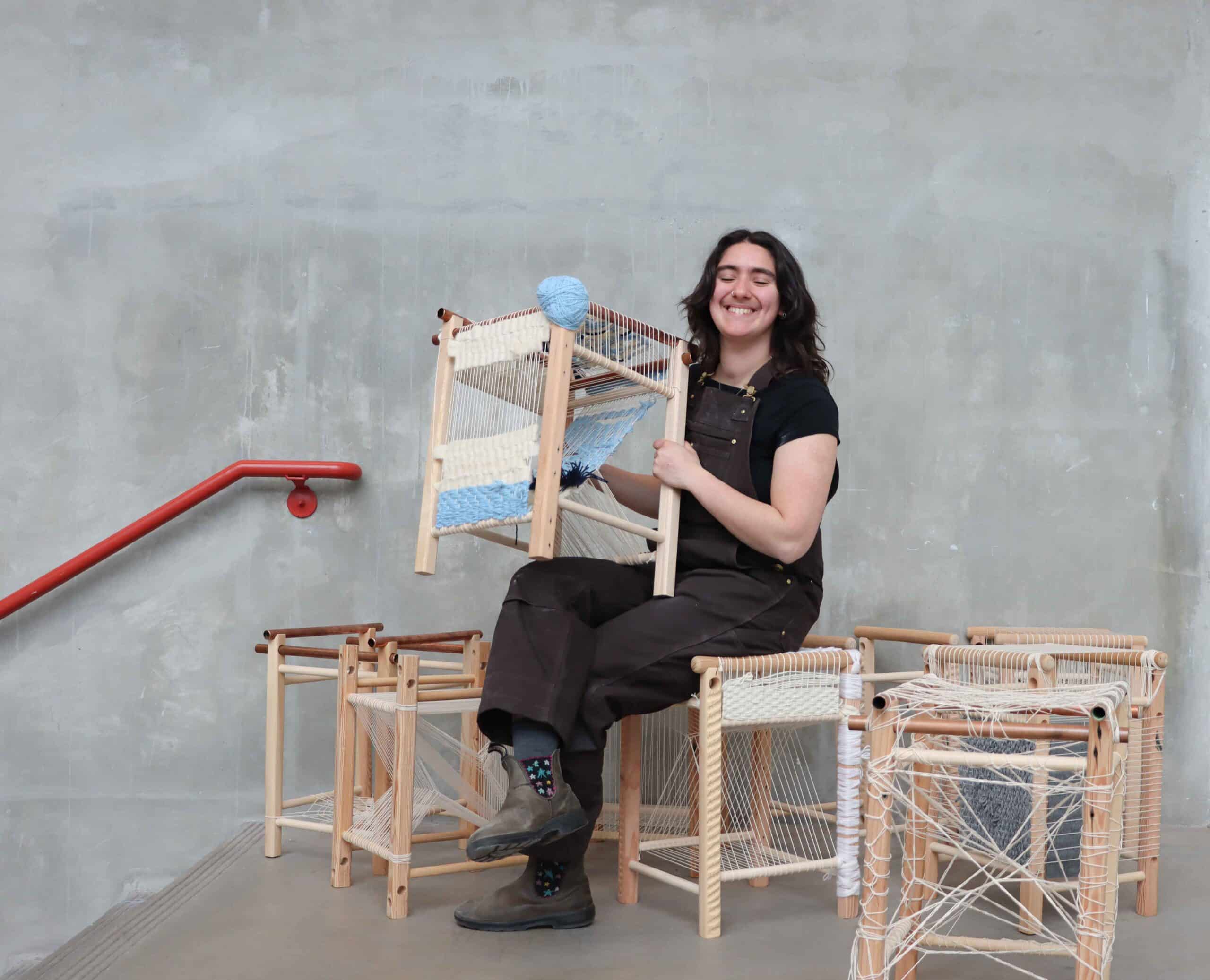
The designer and recent Emily Carr University of Art + Design (ECU) grad was recognized for her project, ‘Currents of Curiosity.’
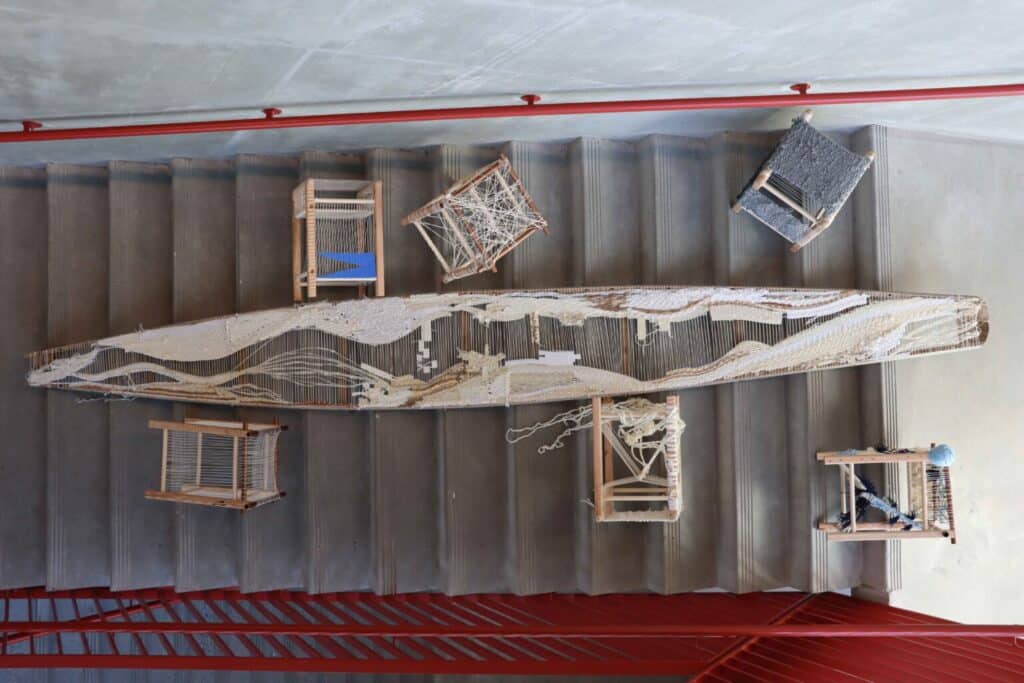
Ophir Barzilay (BDes 2026) is the recipient of the 2026 Emily Carr University Alumni Association (ECUAA) award for Community Engagement. The designer won for her project Currents of Curiosity, which features a kayak and stools decorated with loomed and hand-made weavings created collaboratively by Ophir and members of the local community.
As a lifelong sea kayaker and kayaking instructor, Ophir grew up in Deep Cove and had an innate love of the ocean and mountains that surrounded her home. Drawn to nature from an early age, Ophir gravitated towards an art practice where curiosity led the way to deeper investigations and conversations in her work.
At ECU, her early research looked at relations and design processes with the ocean. This exploration sparked her reflections inward: ‘how did I come to know the sea kayak and how can my passion for the kayak as a vessel for discovery connect to my design practice?’ To investigate further, her initial idea for ‘Currents of Curiosity’ was to build a kayak from scratch and see where the ideas took her.
“I knew I was excited about making things and investigating that, but I wanted to find a way of making that felt sustainable, not just for the world and the practical considerations of materiality, but also for me as a maker. I wanted something that would continue to fill my cup, inspire me to keep making, and nourish both me and my community.”
Delving into the history of kayaks was the first step in the process, which led to some insightful conversations with fellow kayak enthusiasts, who told Ophir about skin-on-frame designs and different materials to use. While early kayaks were covered with seal and other animal skins, contemporary versions often use nylon and synthetic coatings.
In her research, Ophir grappled with the heavy history of colonialism and exclusion that underpins kayaking and its roots in Vancouver.
“As a settler, I felt a lot of tension of what it mean to be a kayaker? I kept thinking, ‘I’d love to build a kayak, but that’s not something I feel comfortable with.’ Sitting in that difficult space and having lots of conversations with mentors and others was a beautiful way to learn.”
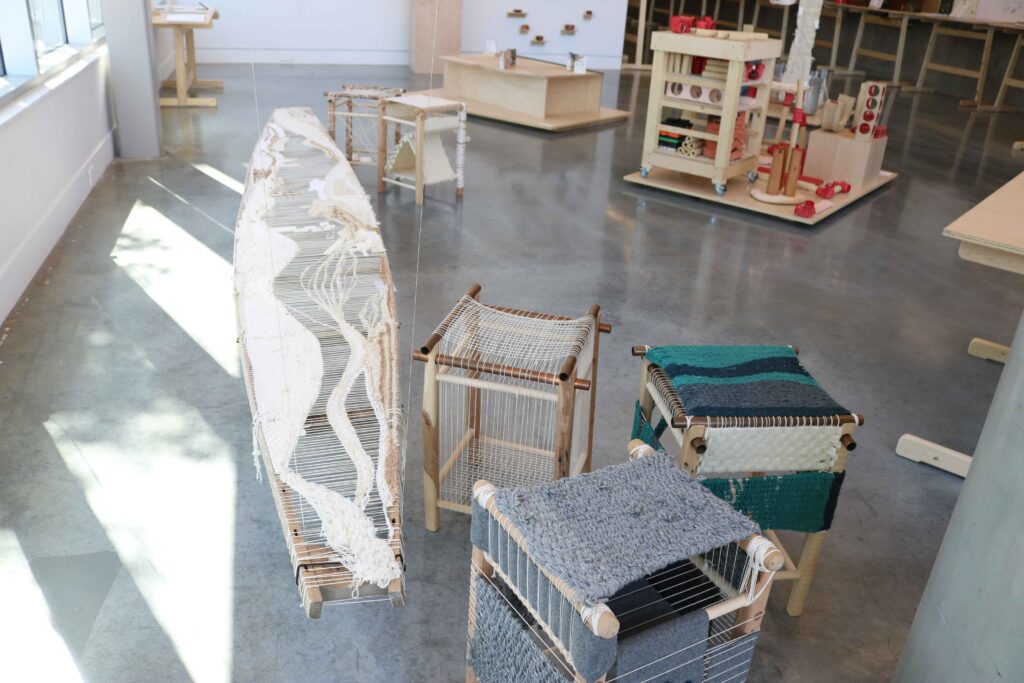
Though building a kayak was not feasible, a stroke of luck happened when John George, a friend and alumnus of ECU, gifted an unfinished kayak frame that he had built to Ophir, which had been sitting in his house for over 20 years.
“I’m eternally grateful to John George because he was a cheerleader throughout the whole project. Throughout the process, I kept thinking, “Are you sure? This is an important vessel. It has a long history, so much meaning, and you’ve poured so much time into it!”
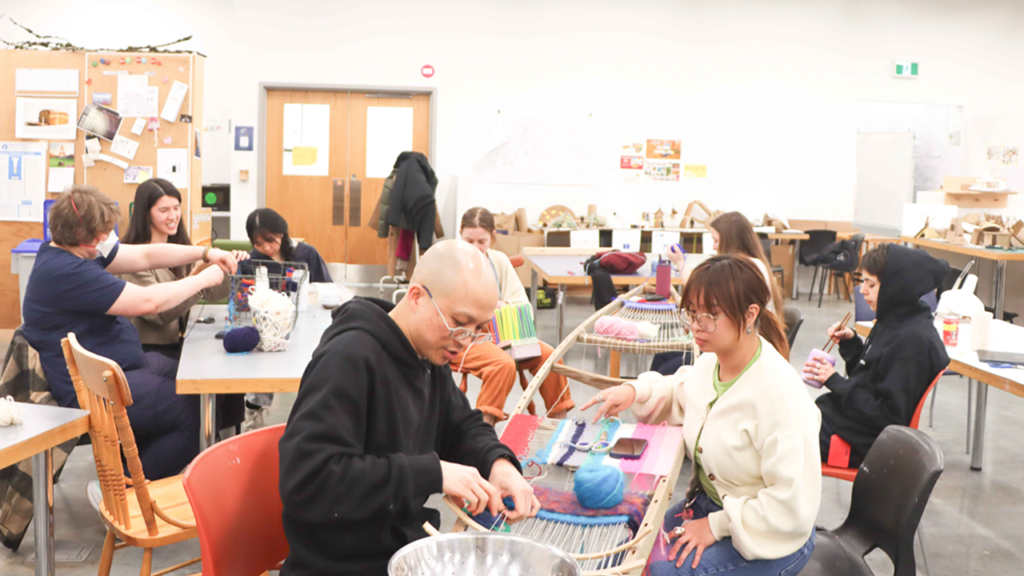
Navigating such an immense frame was a big responsibility for Ophir. Rather than completing it alone, Ophir invited classmates, friends, and community members into the process through weaving nights where everyone could add their impact to the frame. These weaving nights were crucial in building out the project and created a safe place to make, share stories and laugh.
“Connecting the research process with craft, making, and textiles, which were soft, repetitive, simple, and accessible, created a springboard where we could all work together. I’d tell people, “I have yarn, and this is what I know. Feel free to experiment, play, and try things. If you discover something, show someone else who’s curious.” That openness gave everyone an open canvas to explore, learn from one another, and make together.”
These moments of community and storytelling are evident in Ophir’s work, from the kayak to the stools, all of which featured contributions from many people, whether a pattern or style made by a friend, herself, or a newcomer to a weaving night. Throughout her time at ECU, Ophir credits the community around her for bolstering her confidence and reminding viewers that no art practice is built alone.
“I hope people could see that there were different hands in the work. There was a community behind it. Especially at the scale of this project, it would have been difficult for one person to achieve on their own.”
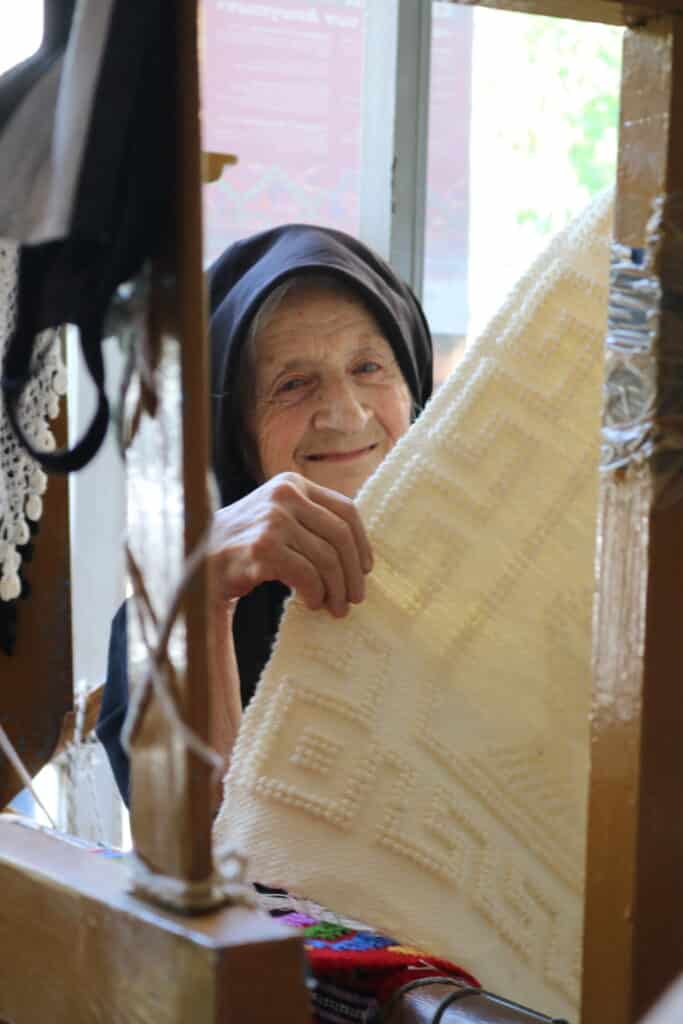
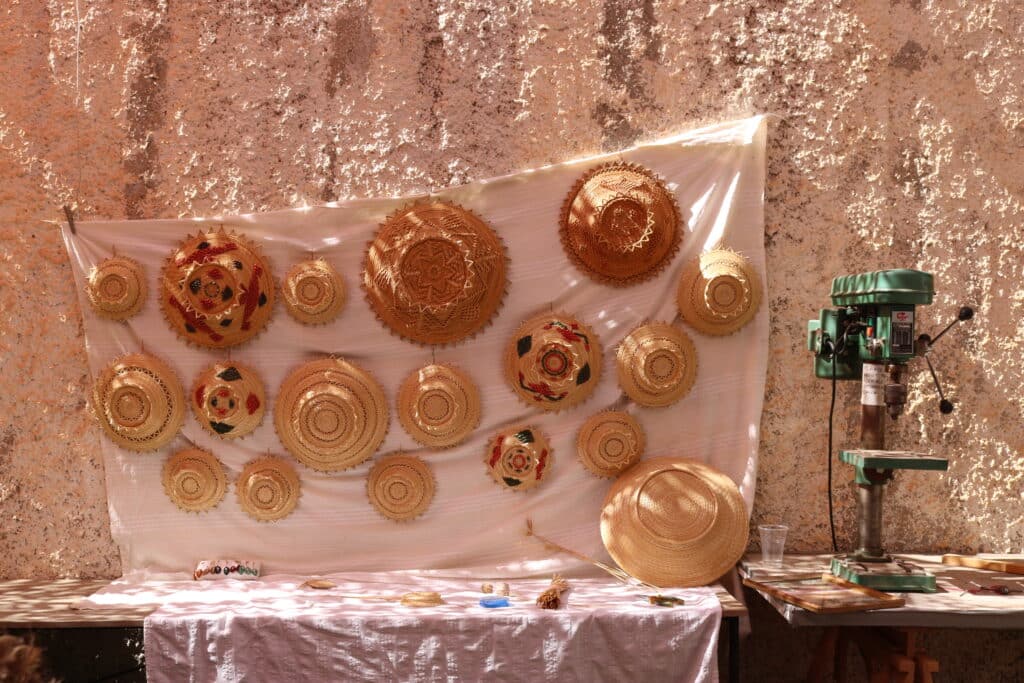
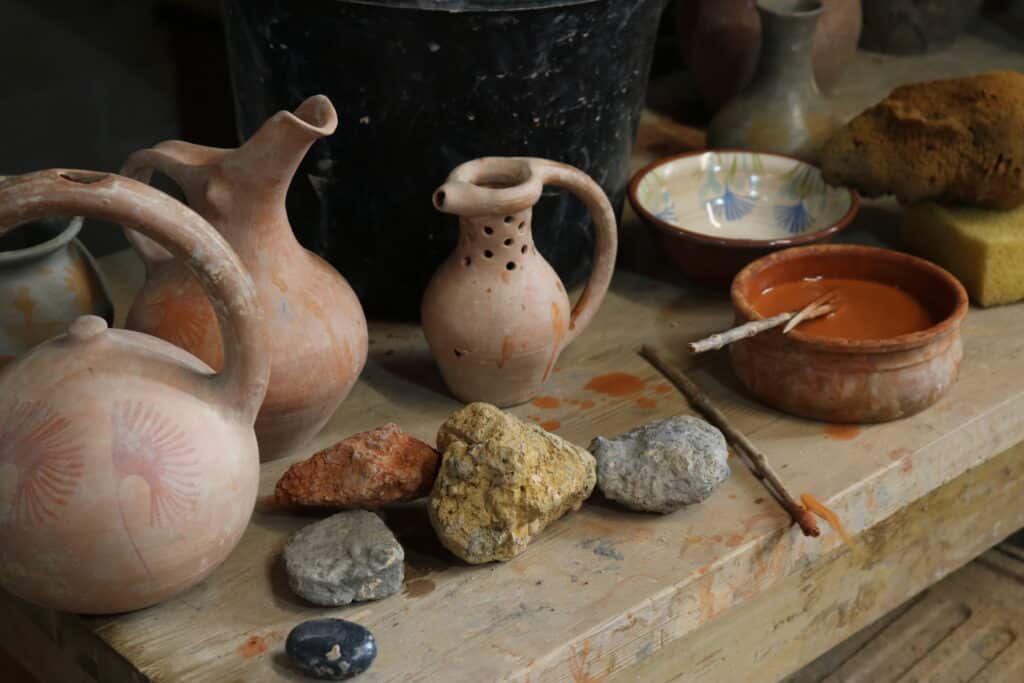
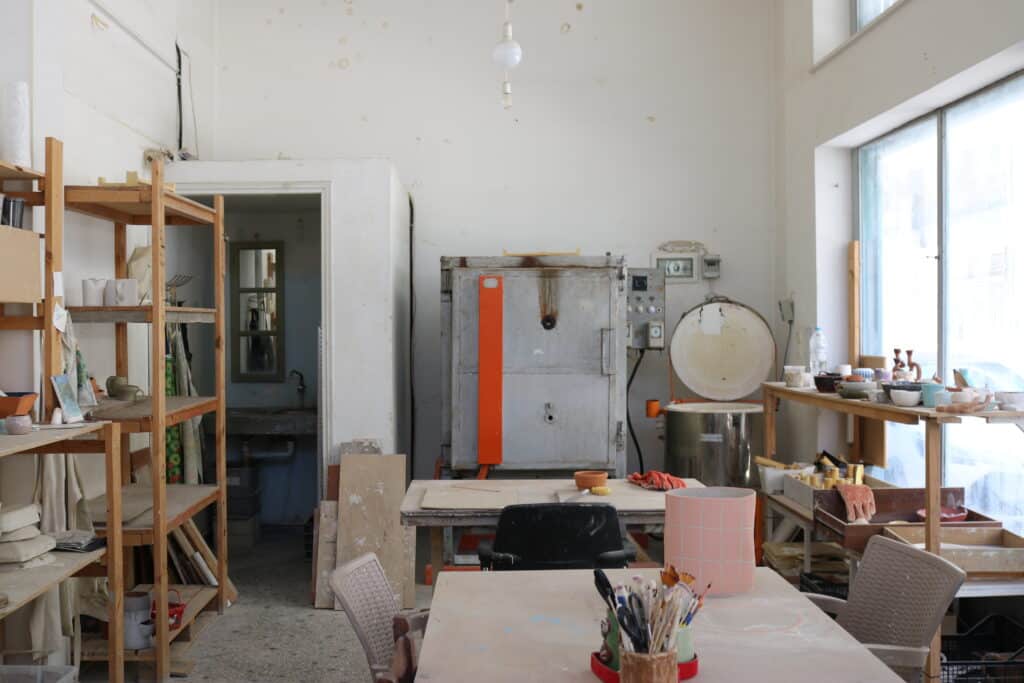
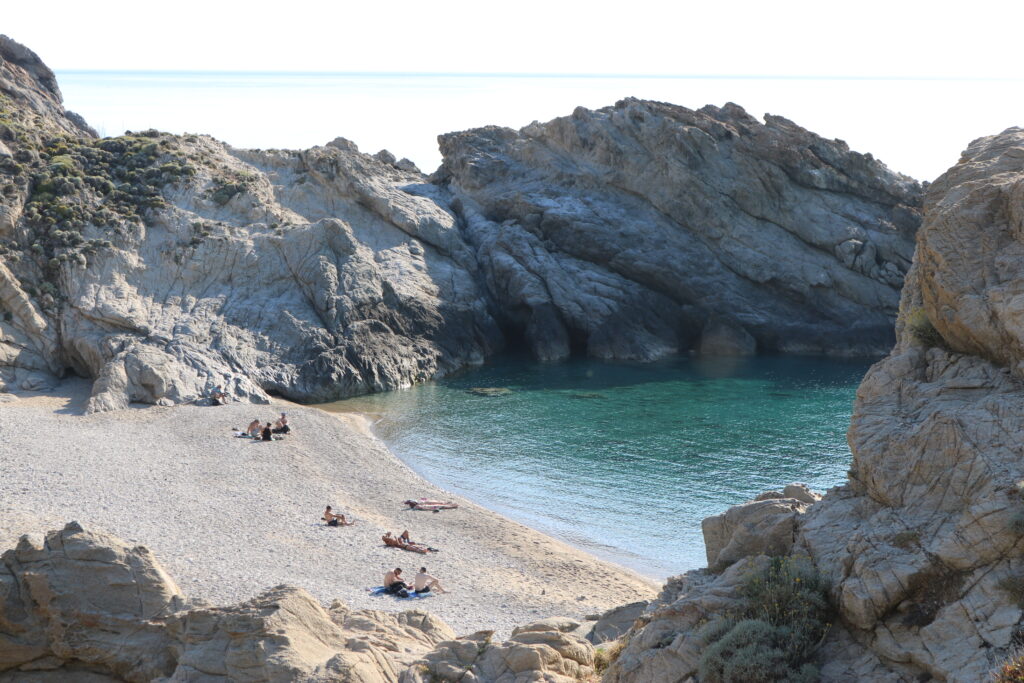
With curiosity as a guiding force, Ophir is excited to tackle new projects and media that will expand her practice. Over the summer, alongside a trip with her sisters, she attended the 3daysofdesign conference in Copenhagen and is currently delving into ceramic exploration at a local studio in Crete, Greece.
Receiving the Emily Carr Alumni Association Graduation Award for Community Engagement has been a confidence booster for Ophir.
“To feel recognized and supported by a community of amazing artists, designers, and people who understand what they’re looking at and genuinely care is incredibly uplifting. It gives me momentum to think, ‘Okay, this is good. I want to keep doing this’.”
More about Industrial Design
ECU’s Industrial Design major is an immersive, hands-on program aimed at understanding and responding to our complex world in aesthetic, emotional and material ways. You’ll create products, services and experiences that support relationships between individuals, communities and the environment.
Visit our website to learn more.