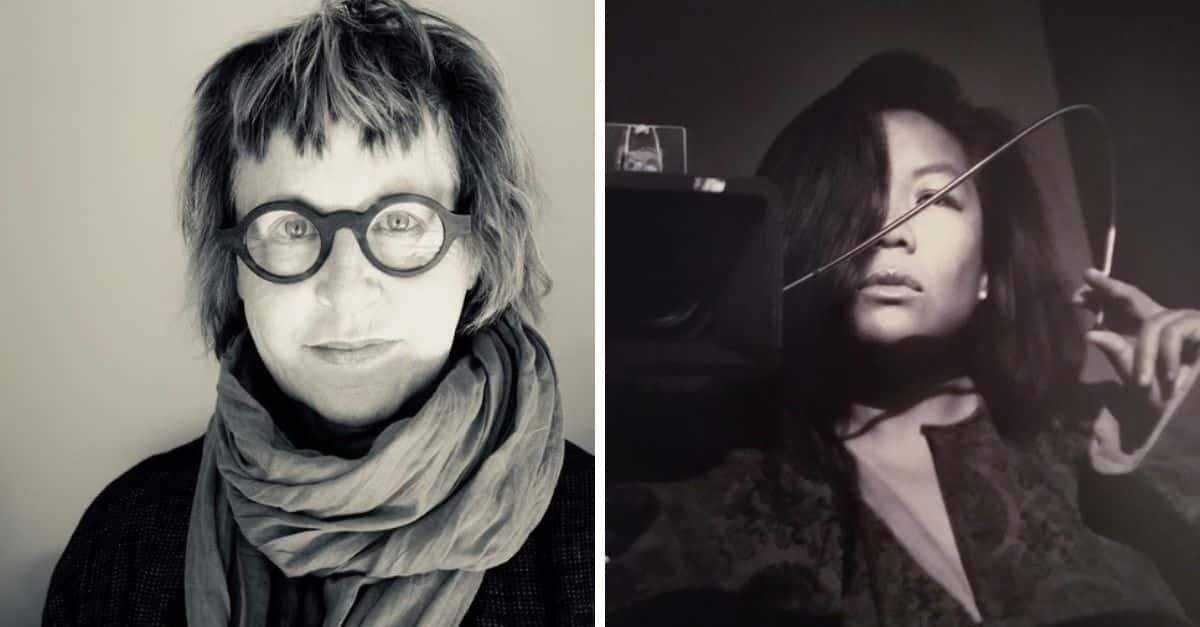
Chick Rice and Louise Francis-Smith have joined forces to create the Two Friends Scholarship to help students studying photography to reach their potential.
The Two Friends Scholarship began with a friendship that has lasted nearly half a century. Chick Rice and Louise Francis-Smith first met at the Vancouver School of Art (VSA) in 1976, then reconnected in 1993, building their friendship alongside their photography practice.
The scholarship allows them to pay it forward by supporting a female-identifying photographer at the beginning of their journey. For Chick and Louise, it is a way of passing on the encouragement and validation that have underpinned their own friendship.
“I was thinking back: Who have I met who has sustained an art practice through thick and thin, and who is also still a friend? When we met, we didn’t become friends right away because we were in different years and had different lives.” said Chick. “But we came back together in 1993, and we’ve remained friends ever since. Hopefully, this scholarship gives them some acknowledgement and validation.”
A Friendship is Born
From the first time they met by chance at an open critique, Chick Rice and Louise Francis-Smith were impressed by each other’s perspectives. At the time, Chick was shy and quiet, letting her work speak for itself. Louise approached her work differently, speaking about it with a depth of feeling that caught Chick’s attention.
“I remember thinking, what a neat person Louise was, because she was using vocabulary that I had no idea what she was talking about, which was great! She was talking about ‘the abyss.’’ Chick laughs.
“I thought, wow, she’s got some insight. She was from elsewhere, whereas I was pretty much raised here, so I had a very regional, provincial point of view that she didn’t. I knew she was different and that what she was saying was interesting, even though I didn’t have the analysis for it at the time.”
Chick has a long history with the VSA, now Emily Carr University of Art + Design (ECU), attending the Saturday morning classes as a 12-year-old and joining the photography program in the 1970s, where she was one of three people in her cohort. Louise joined the school around the same time and had moved to the city from New Zealand, where her emerging love for photography began.
Louise viewed school as a space to develop her personal style and discover her passions, as she was feeling uncertain of her pathway at the time. Working alongside her father, Robin Smith, a well-known nature and landscape photographer, helped her realize what her style was not, and it became clear that street photography was her true calling.
Reconnecting Leads to Lessons
From their first meeting in 1976, the two friends ran into each other over the years, but truly connected in 1993 when Louise went back to the Emily Carr College of Art & Design, where Chick was now her teacher. Gone was the shy student; Chick commanded the classroom with her voice and gave students a real education in how to critique each other’s work, which often stretched into the late hours.
“Fine-art photography is like classical music; it’s not popular music. It’s difficult, and you have to learn how to look at it and how to talk about it.” said Chick “I try not to even use the word ‘critique,’ because its root is ‘criticize.’ I prefer to say, ‘Let’s converse about it.’ Maybe you start simply by describing what you see.”
This simple distinction helped Louise to highlight her vision when it came to staging exhibitions and sharing. At the time, Louise was balancing school with a trucking job that kept her up from 4am to 5pm, but she continued to stay late for Chick’s classes.
“When I came back and took a course with Chick, it helped me find a way of being and doing art that felt right for me, even though I still had to go back to that manual-labour job,” said Louise. “I actually got pulled into the office because someone caught me with the truck doors open and a tripod set up, photographing for my assignment!”
For Louise, Chick’s classes provided more than technical lessons. They gave her a way to think about her work and the confidence to keep pursuing it.
Sustaining A Connection
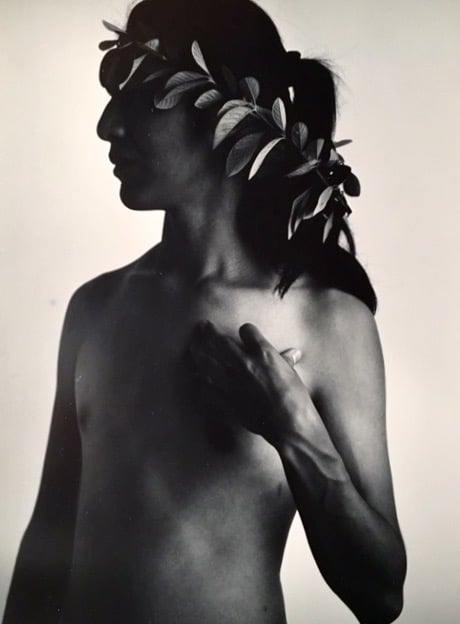
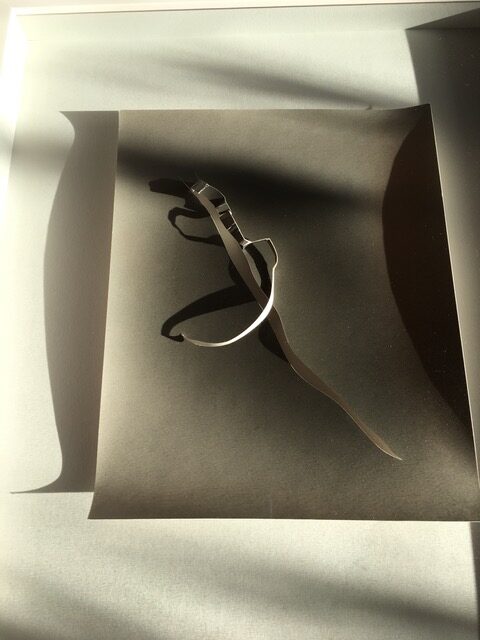
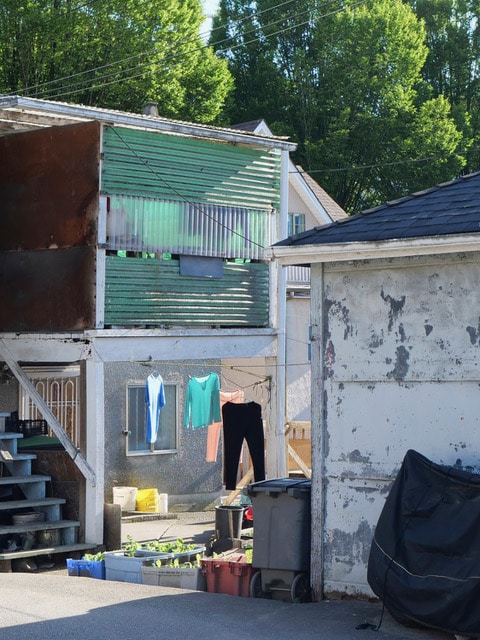
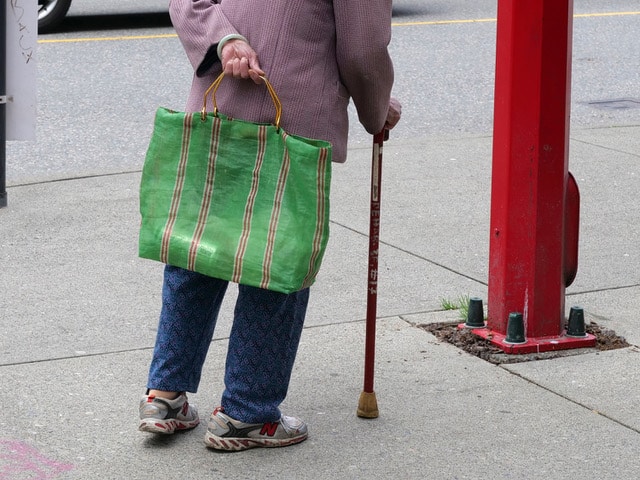
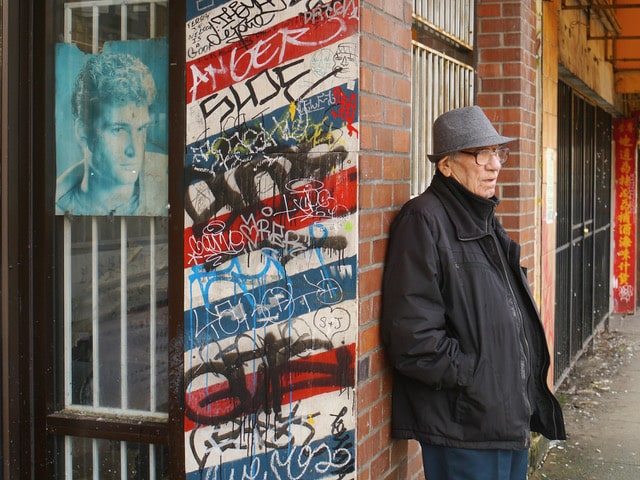
Over the years, both Chick and Louise found ways to continue their photography while balancing day jobs in local government and trucking. Though their photography practices are different, with Louise shooting on the street and Chick creating in the studio, they have been there for each other, especially when Louise experienced creative blocks.
“I used to get worried when those blocks happened. But I’ve learned it always shifts. It always changes, and I love it when the spark returns because I feel as though my eye is different or something’s shifted a bit,” said Louise. “I’m not always comfortable with them happening, but I’ve learned that nothing lasts. It changes.
A trip to India eventually gave Louise the push she needed to pursue photography more fully, taking photographs in Rajasthan and Kashmir and refining her street photography.
“After that trip to India, I just couldn’t go back to my job and had an accident in the truck. It took me off the road for six months, and I realized I couldn’t be inside, and needed to see the world. I don’t know how not to do create, because it is such a part of my life.”

A Bridge from One Generation to the Next
Chick acknowledges that creating art can be a solitary pursuit, but having a friend who comprehends the dedication required can be crucial.
They banter and rib each other in person with the kind of in-jokes that have accrued new details and zingers, but it is a friendship that has taken effort and investment, as all good ones should. That kind of relationship can matter tremendously for a creative person, where the work can be isolating and inward.
“I was interviewed once by CBC, and they asked what the new thing is these days. I said it’s ‘making friends and keeping them,’” says Chick. “Because friendship, wherever you meet, can be the thing that sustains you. I would consider her family. She’s kind of the weird part of the family, who dresses oddly, but she’s a cherished member of the family!”
Through the Two Friends Scholarship, Louise and Chick are offering a helping hand to the next generation to pursue their passions unencumbered by the drawbacks that can hold them back and make friends who propel them further.
“I just feel lucky and grateful because I didn’t keep all my friends at art school with people moving away or drifting, but I kept Chick,” says Louise. “I was grateful to meet her again and do the course with her. Ever since, I felt so stimulated, inspired and nourished. And it’s become a part of my life.
After decades of helping each other keep going, Chick and Louise are offering that encouragement to someone else. The Two Friends Scholarship is a testament to their friendship built over 50 years and a chance to give another photographer the validation and support that can sustain a creative life.
100 Years of Creativity: The Stories that Shaped Us
As part of Emily Carr University’s centennial celebrations and our ‘100 Years of Creativity’ campaign, we are sharing stories that spotlight the creativity, resilience and impact of our community over the past 100 years. These stories feature the people, projects, places and ideas that have shaped ECU, reminding us of our shared legacy while inspiring the future. By revisiting past milestones and sharing new ones, we honour the many voices that built our institution and continue to guide its path forward.
For more information about ECU 100 celebrations, upcoming events and stories, visit our webpage.