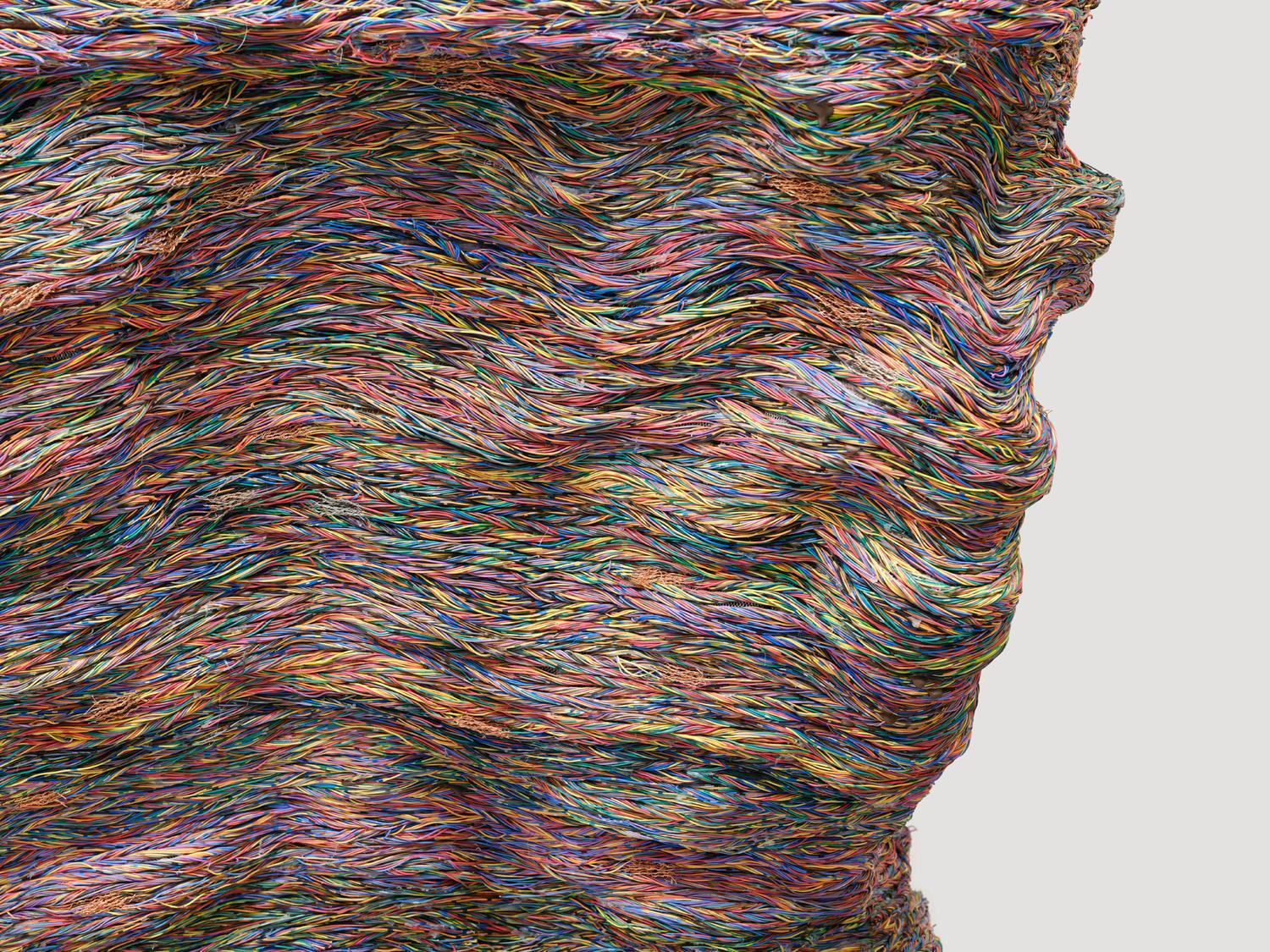
The artist and ECU faculty member was awarded for Core Memories, a research-creation project exploring the crucial contributions of women in the development of magnetic core memory.
Artist and Emily Carr University of Art + Design (ECU) faculty member Emily Hermant has been awarded a $72,000 Social Sciences and Humanities Council (SSHRC) Insight Development Grant for her project Core Memories: Retracing the Fabric of Computing Technology.
The project will explore ‘magnetic core memory,’ an early computer memory system widely used from the 1950s to 1970s. The technology was “produced through intricate and laborious hand-weaving processes by largely unidentified women workers using copper wire and magnetized rings,” Emily says.
“Crucially, my focus on magnetic core memory will allow for the cultivation of new understandings of both the materiality of this technology and the labour required to create it, alongside developing a framework for understanding material histories through artistic production.

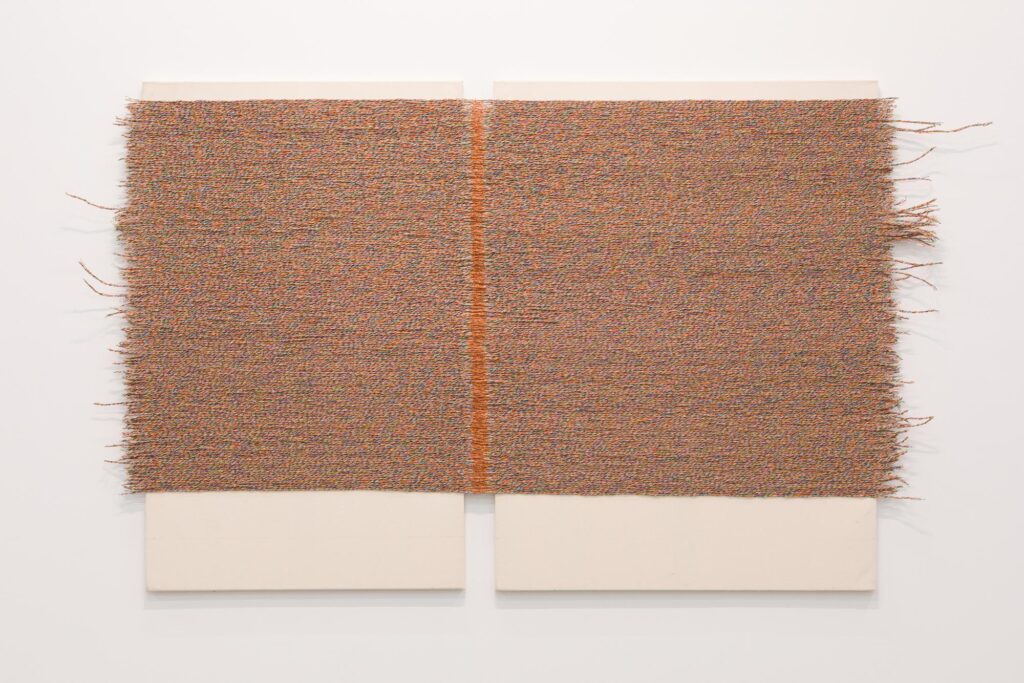
“In turn, this research project aims to illuminate the ingenuity and contributions of the women leading in the development of magnetic core memory and the textile technology they employed, which were critical to this particular technological advancement.”
Emily also received an SSHRC Explore Grant (SIG Explore) from ECU in support of the project. SIG Explore grants are administered by individual institutions to support research in its early stages, providing a bridge for faculty to apply for larger, national SSHRC grants.
As an artist with a background in textiles, Emily is no stranger to the connection between ancient tradition, modern technology and artistic output. Throughout her practice, she has produced works including Billow, Echo (Sabin) and Reflections on Geminid (No.1) from recycled telecommunications and data cables collected from salvage yards. Through this reclamation and advancement of material and technique, she pursues “themes of communication, gendered labour, technology and craft.”
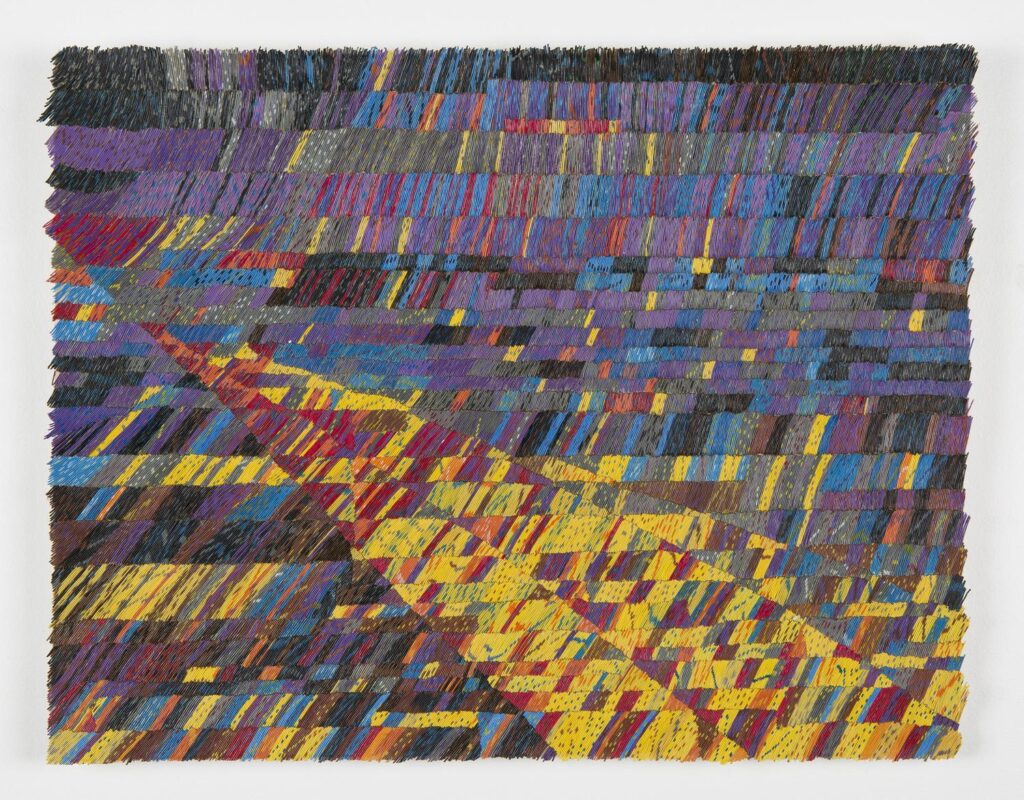
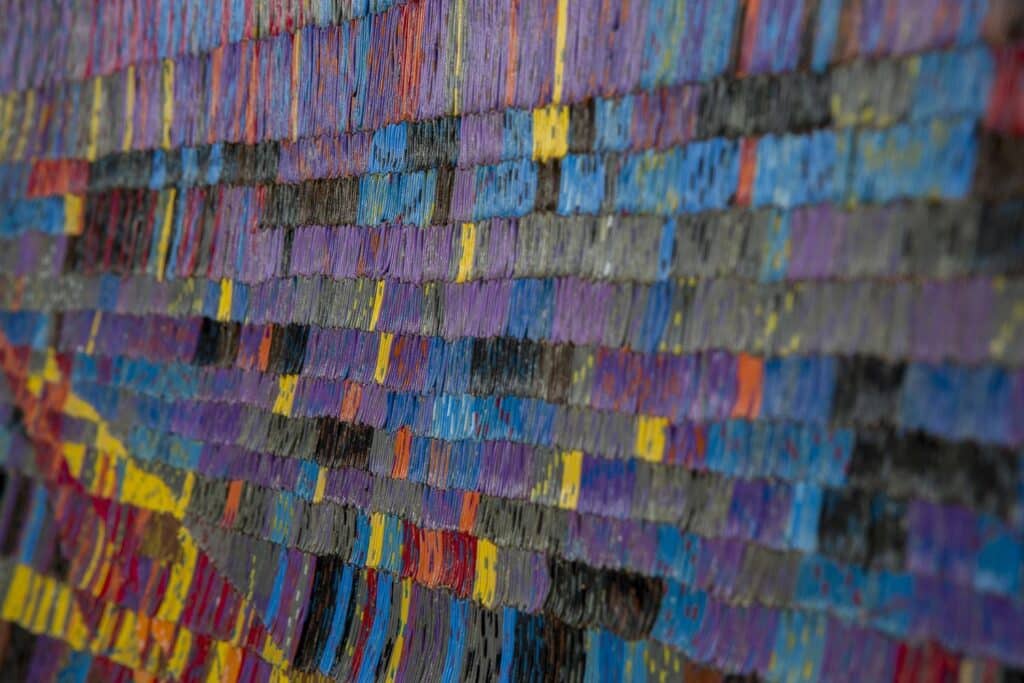
Emily aims to see Core Memories “form its own archive, rooted in material practice,” in addition to drawing inspiration from historical archives.
“This innovative method reimagines and rearticulates historical narratives through the lens of contemporary research-creation, bridging past and present through artworks.”
Emily looks forward to exhibiting her works as part of this research.
“Emily’s hard work in securing her first SSHRC grant will allow her to kick off an ambitious new research project. I cannot wait to see how it evolves,” says Justin Langlois, Associate Vice President of Research at ECU. “This is also a perfect example of how our SIG Explore grants can help support faculty to develop emergent projects that can be successful in national competitions.”
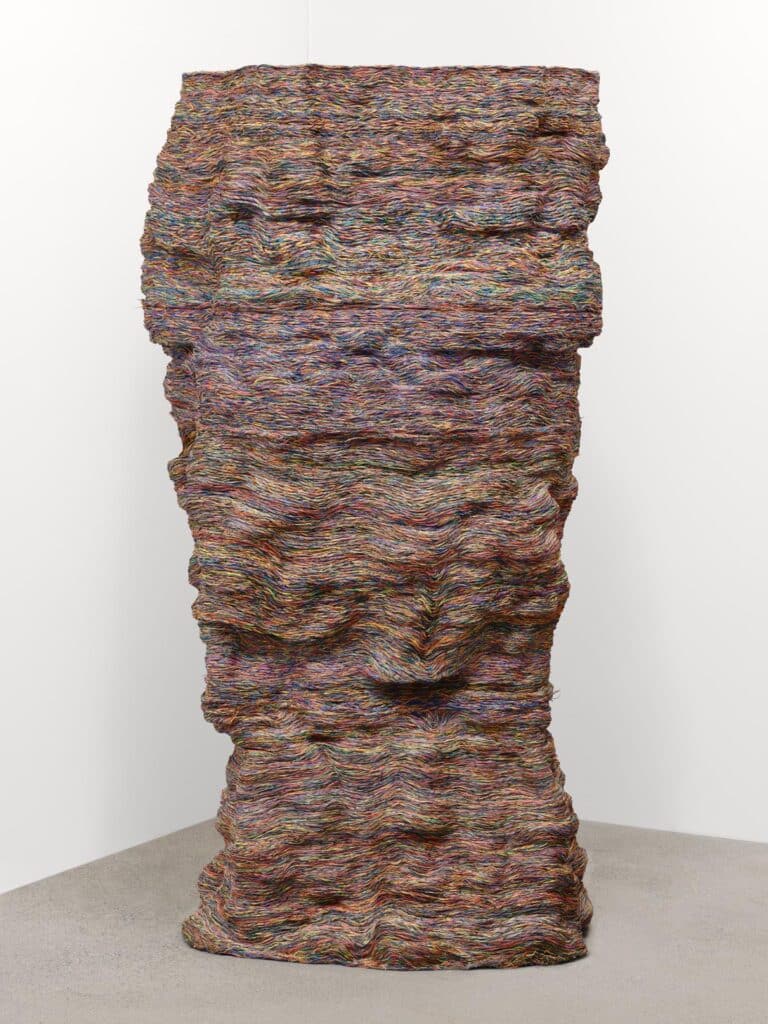
Visit Emily Hermant’s website to learn more about her work.
More about Research at ECU
As one of the most research-intensive art and design universities in Canada, ECU connects art, media, and design practices with some of the most pressing questions of our time. At ECU, we believe our research can help to transform the world, build healthier and more vibrant futures, and cultivate cultural resilience throughout our local and global communities and industry partners.
Visit our website to learn more.
More about Sculpture + Expanded Practices at ECU
Our unique Sculpture + Expanded Practices program offers a dynamic environment to explore traditional and contemporary sculptural methods.
Students engage with materials ranging from wood and metal to textiles and digital media, fostering a comprehensive artistic practice.
Visit ECU’s website to learn more.
Want more stories like this one delivered twice a month to your inbox?
Subscribe to our FREE Emix newsletter today!