Complete first year in just one summer.
Jump-start your Visual Arts creative journey. This intensive 15-week summer program lets you complete your Foundation Year and move directly into the second year of your Bachelor of Fine Arts degree this fall.
Finish first year, then start year two.
In just 15 weeks, the Accelerated Summer Foundation Program lets you complete your first year of study through immersive studio practice, critical thinking and collaboration.
With full credit toward your BFA degree, you’ll join second year in the fall, ready to dive into your discipline.
How it works
The Accelerated Summer Foundation Program runs from May to mid-August, fast-tracking your Foundation Year.
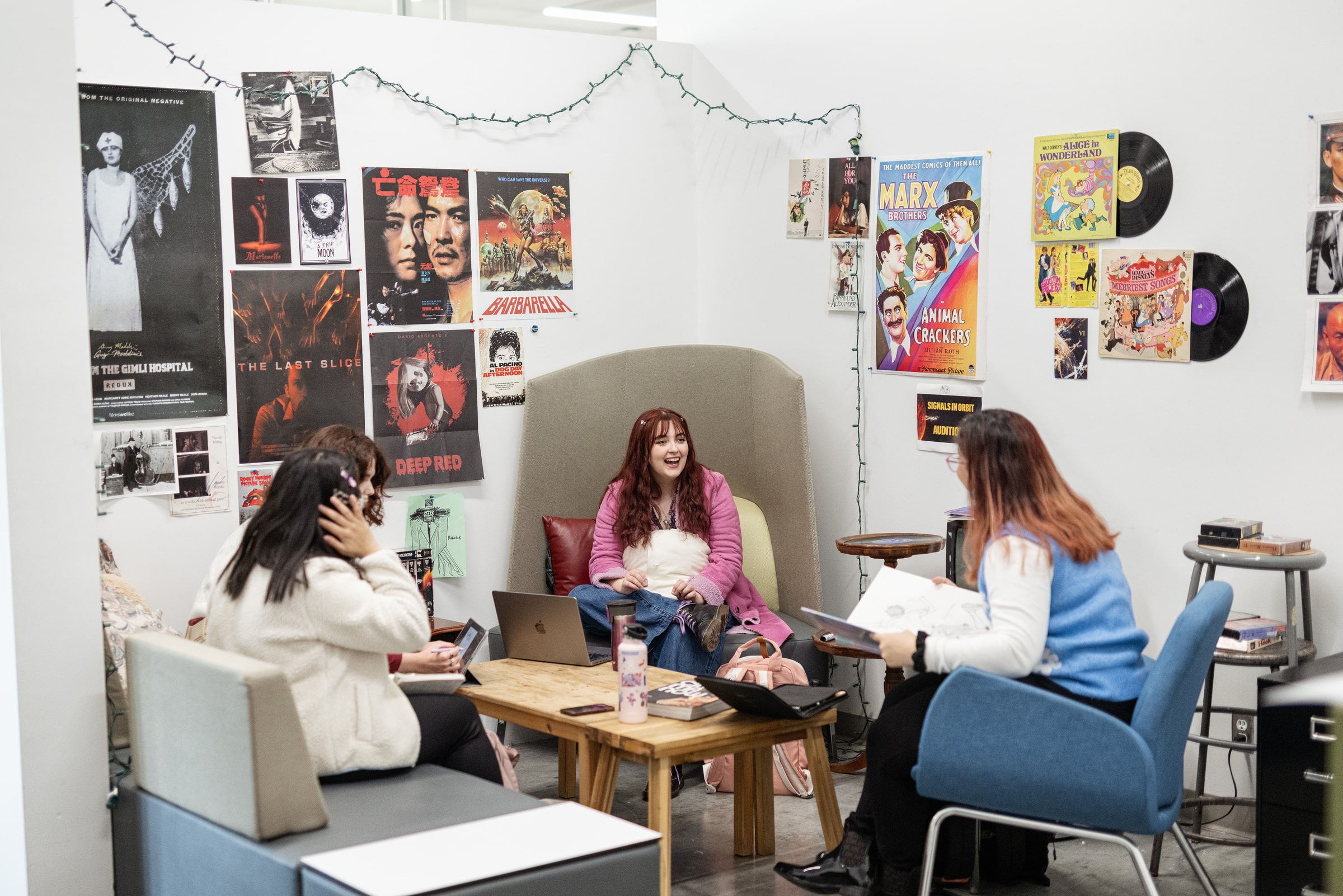
In two intensive semesters, you’ll gain core skills and conceptual tools in visual arts. Build strong connections with peers and instructors while exploring new creative approaches.
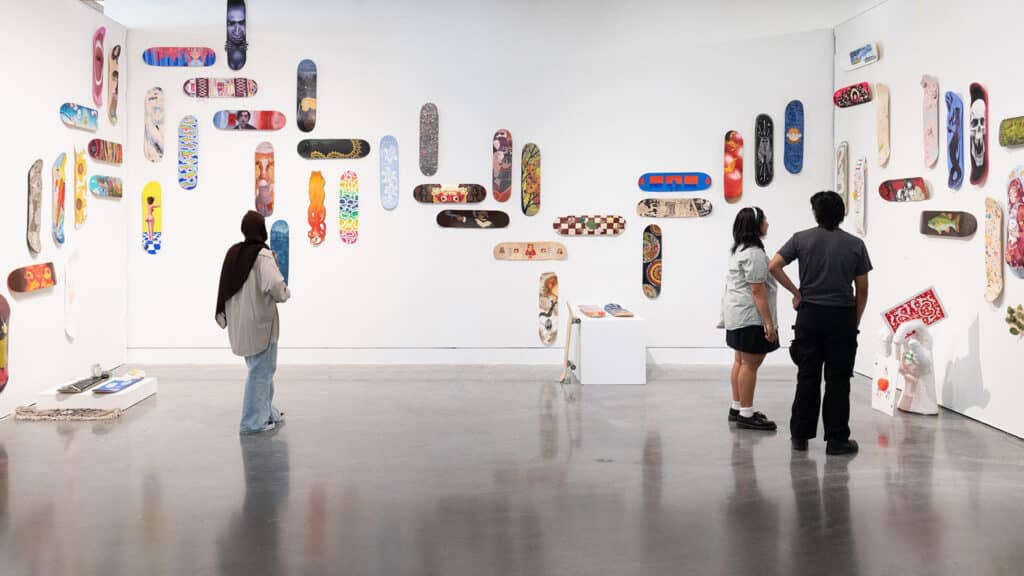
The program culminates in the annual Foundation Show, where you’ll showcase your work alongside fellow students.
Designed for students who:
- Are working towards a Bachelor of Fine Arts in Visual Arts, with ceramics, drawing, painting, print media or sculpture + expanded practice concentrations
- Have graduated high school and want to fast-track the first year of their undergraduate studies
- Have a clear creative vision and are eager to jump into their chosen field
- Want to complete their degree in 3.5 years
- Hope to reduce their cost of living by choosing a shorter, high-quality program with full access to opportunities
Program Structure
The program includes two consecutive seven-week semesters over a 15-week period, with a short break in between.
Due to the intensive course load, strong time management skills are essential. Students must complete 21 credits during the summer and will enter their second year in the fall.
Additional foundation credits may need to be completed during their second year to meet graduation requirements.
Summer Term
Complete 21 credits over 15 weeks. Courses run for seven weeks, pause for a Break Week, and continue for a final seven weeks.
FNDT 115 Indigenous Presence (3 hours a week) FNDT 164 Core Visual Arts Studio (6 hours a week) FNDT 165 Core Interdisciplinary Studio (6 hours a week) HUMN 100 Academic Core (6-9 hours a week asynchronously online)Shops + Studios
Studio culture is at the heart of your educational experience at Emily Carr University, with spaces where you can create, learn, collaborate, experiment, and play.
Accelerated Summer Foundation students have access to our spacious and well-equipped shops + studios.
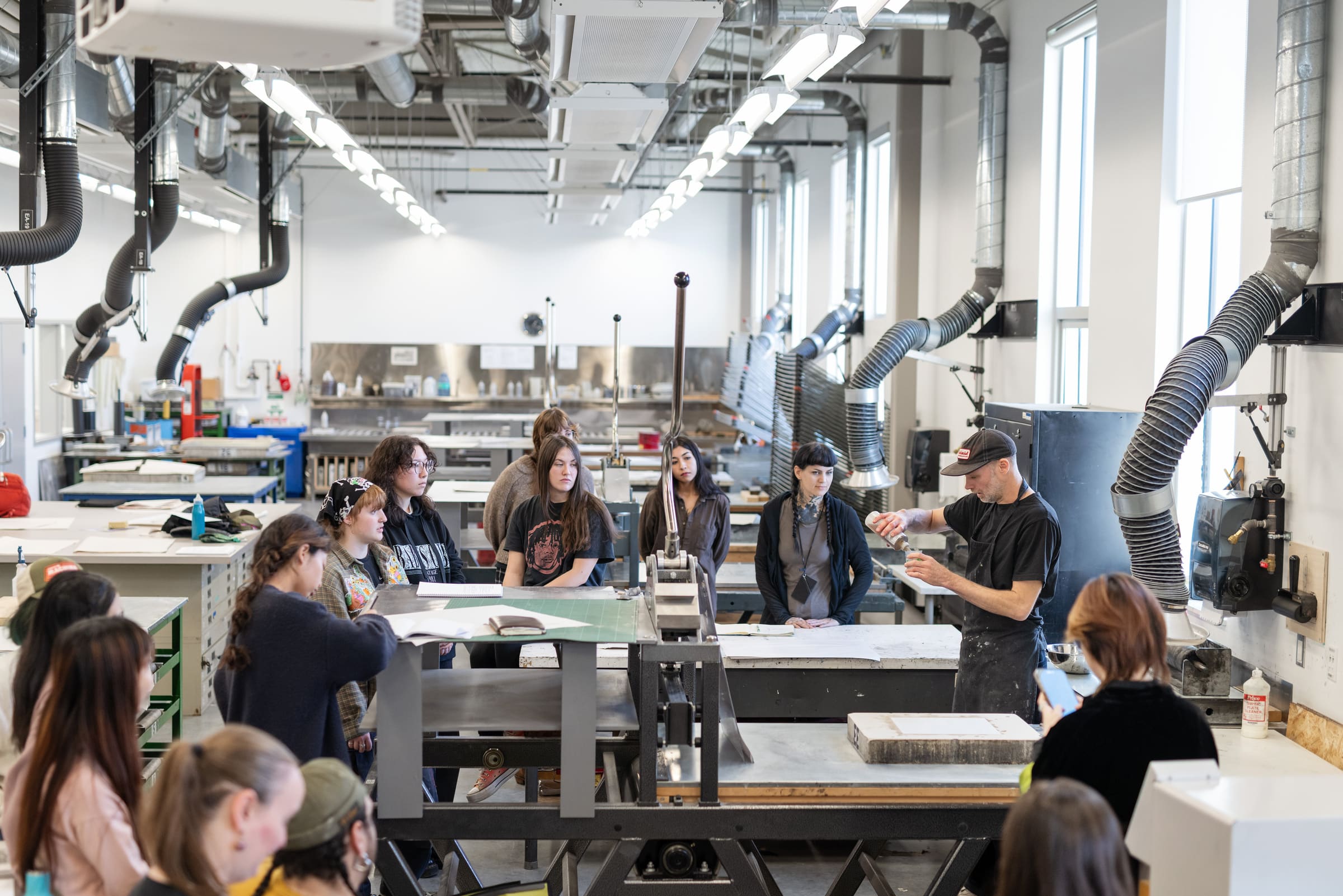
Students have access to facilities including:
- Foundation Shop, a multi-disciplinary production space
- and more
Expert Technical Staff
Each space is maintained by expert technical staff who collaborate with faculty and staff to provide students with instruction and guidance.
Technical staff ensure safe and accessible working environments and lead instructional workshops to enhance your learning.
Faculty

Beyond the Classroom
We’re Canada’s #1 art and design university, known for creative excellence that extends from your academic and studio experience into opportunities outside the classroom and after graduation.
Your first year is about more than classes, it’s about connection, community and creative growth. You’ll join a diverse group of peers and start building friendships, networks and experiences that will shape your time at ECU.
From your first week to your final project, you’ll have opportunities to share your work, get inspired and dive into the creative world through:
- Orientation Week introduces you to campus, instructors and fellow students
- Exhibitions, artist talks, panels and workshops throughout the year
- Access to campus studios, shops and learning spaces
- Participation in the Foundation Show, a celebrated exhibition of first-year student work

Opportunities after Graduation
Emily Carr University graduates go on to shape the future of art and design. Whether launching creative careers, building studios, or pursuing graduate school, our alumni find opportunities across industries, institutions and independent practice, locally and internationally.
Career paths include:
- Visual arts, design and media production
- Animation, film, sound and digital experience design
- Arts education, curation and cultural programming
- Tech, game and user experience design
- Entrepreneurship and independent studio practice
- Public art, publishing and creative writing
- Environmental, social and community-based design
- Graduate studies in art, design or interdisciplinary fields