Join a Creative and Connected Community
We’re the #1 art university in Canada for many reasons — our excellence in reputation extends not only to your academic and studio experience, but also to the artistic opportunities you’ll have outside of the classroom and after graduation.
As a Critical Ecological Practices MFA student, your experience extends beyond the studio:
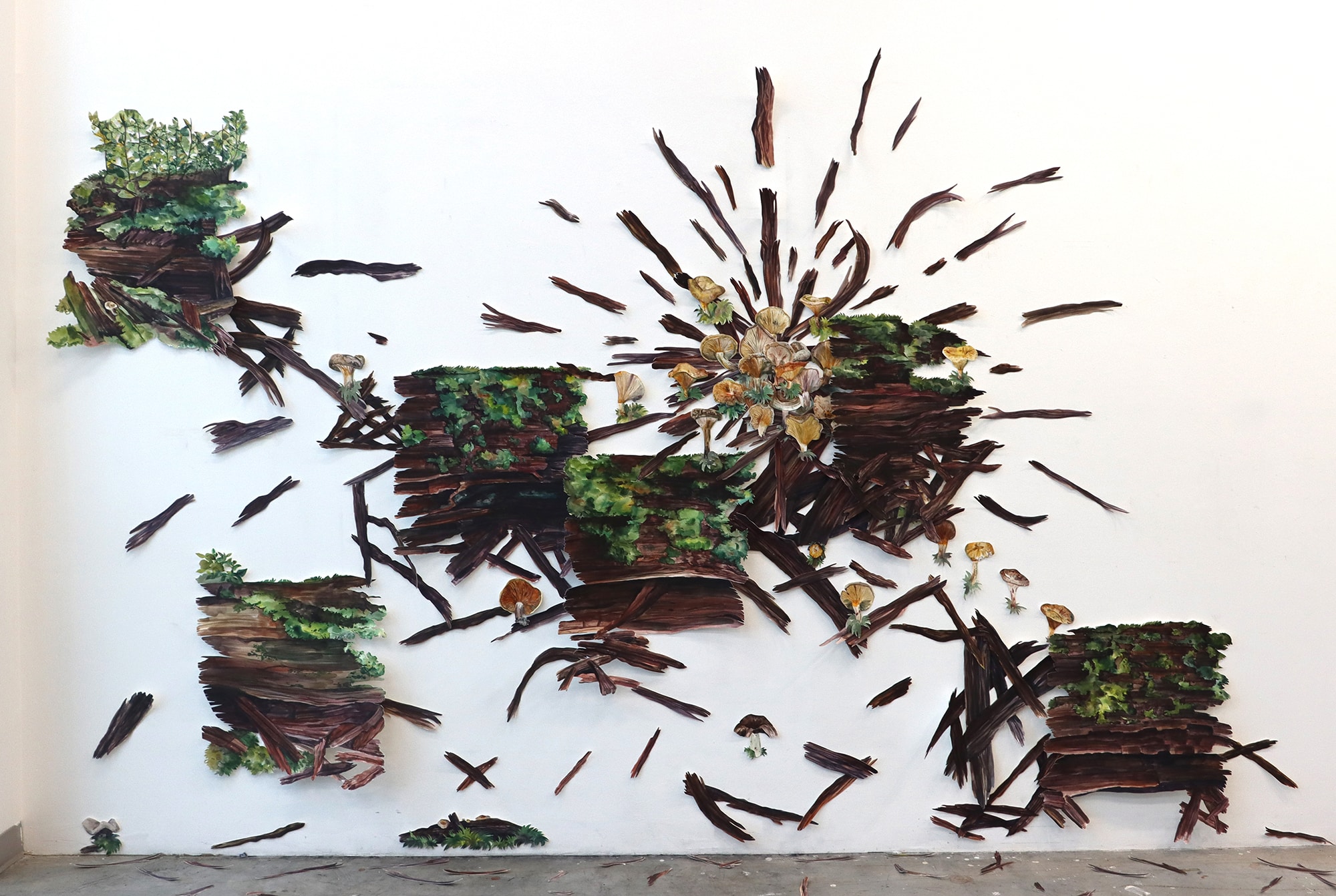
- Annual Thesis Exhibition: Present your final body of work in a public exhibition alongside your cohort at the culmination of the program.
- Summer Residency Programming: Engage in talks, critiques, workshops and special events with visiting artists, curators and scholars during your on-campus residencies.
- Graduate Forum Series: Participate in remote artist talks and dialogues throughout the year, designed to deepen your practice and expand your critical perspectives.
- Access to Research Facilities + Labs: Make use of ECU’s Shops + Studios and Research Centres + Labs, including DESIS Lab and Basically Good Media Lab, during your summer residency. MITACS also provides opportunities for students to collaborate with industry in research projects.
- Professional Development Opportunities: Stay connected year-round with career programming, exhibitions, mentorship and community-building activities designed specifically for low-residency students.
- Creative Community: Form lasting relationships with full- and low-residency peers while learning from leading voices in contemporary art.
Opportunities After Graduation
Graduates of the Critical Ecological Practices MFA program at Emily Carr go on to build successful practices as artists, educators, and cultural leaders. Career paths include:
- Exhibiting Artists: Showing work in galleries, museums and public art spaces
- Curators + Programmers: Leading exhibitions and cultural initiatives
- Educators: Teaching at post-secondary institutions and art schools
- Creative Entrepreneurs: Running studios, collectives and independent businesses
- Researchers: Contributing to interdisciplinary projects and residencies