We’re looking back ECU’s role in hosting ‘International Young Art’ an exhibition featuring the artwork of children from over 52 countries during the summer of Expo 86.
Expo 86 marks a turning point in Vancouver’s history, with many residents and historians thinking of the city as pre- and post-Expo 86 once this culture-shifting event arrived along the shores of False Creek. But did you know that Emily Carr College of Art & Design (ECCAD) (later ECU) made its own contributions to the fair?
The International Young Art exhibition was first conceived as early as 1983. When Outreach Program Director Nini Baird and other committee members met with Expo 86 executives to discuss showcasing artwork by children from around the world, the idea began to gather momentum. The committee reached out to International Society for Education through Art (INSEA) and Canadian Society for Education Through Art (CSEA) for their endorsement of the exhibition concept and used their support to put the call out for artworks.
Modelled on the BC Young Artists Exhibitions (BCYA), the exhibition was curated by Dean of Education, Tom Hudson, who formed an advisory panel of Sam Black, Graeme Chalmers, Wyn Davis and Chris Regehr, to help with planning and liaising.
Initially, the hope was to host the exhibition at the Expo 86 site, with 40 artworks displayed there. However, following personnel changes and planning challenges, the Outreach team decided to host the exhibition at ECCAD instead, coinciding with Expo 86. The Outreach team were able to align with Expo’s art and cultural programming under the banner of ‘Celebration 86.’
‘International Young Art’ was presented at the Charles H. Scott Gallery and Concourse Gallery from June 2 to September 30, 1986.
Fitting the Theme
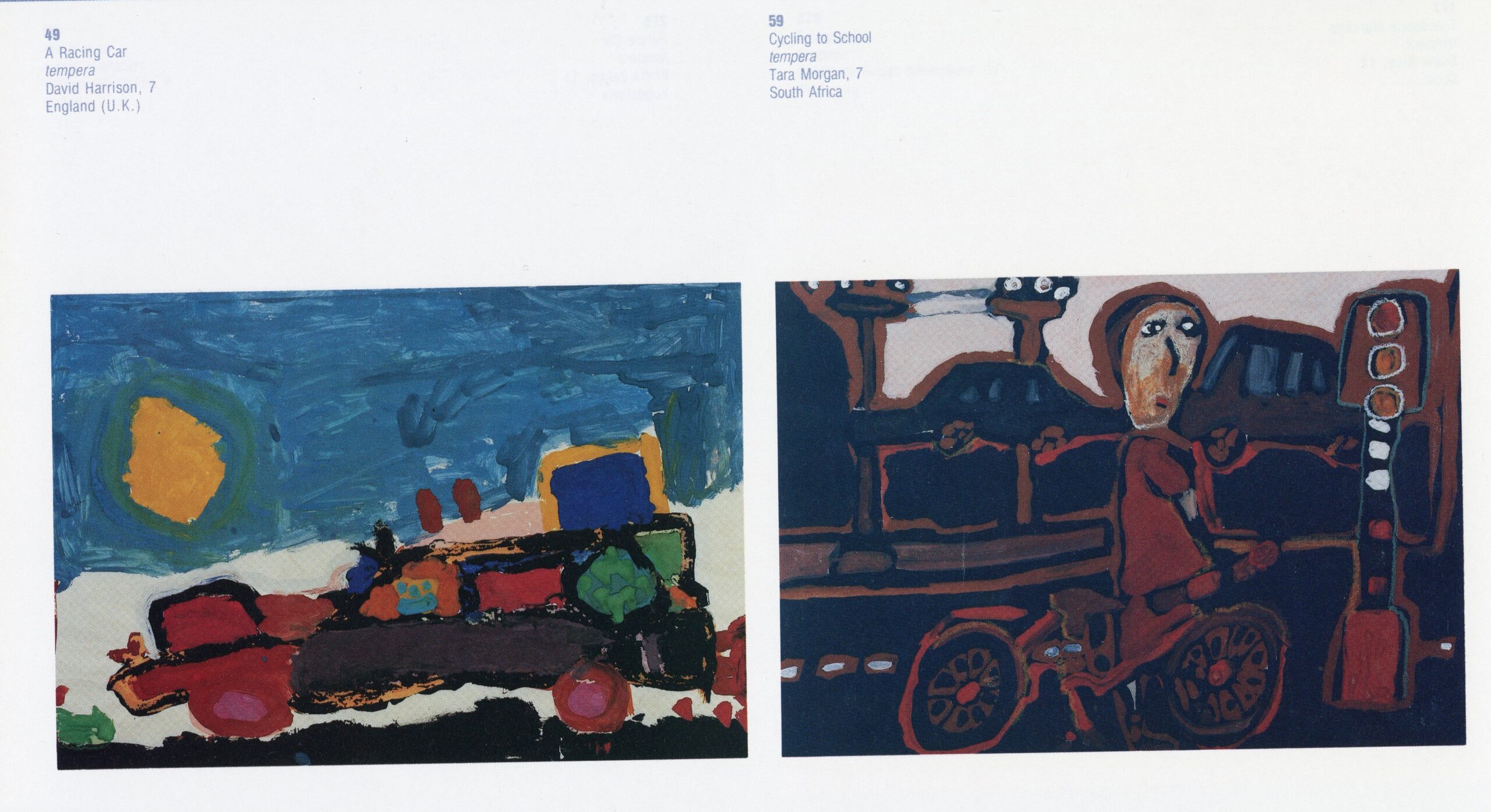
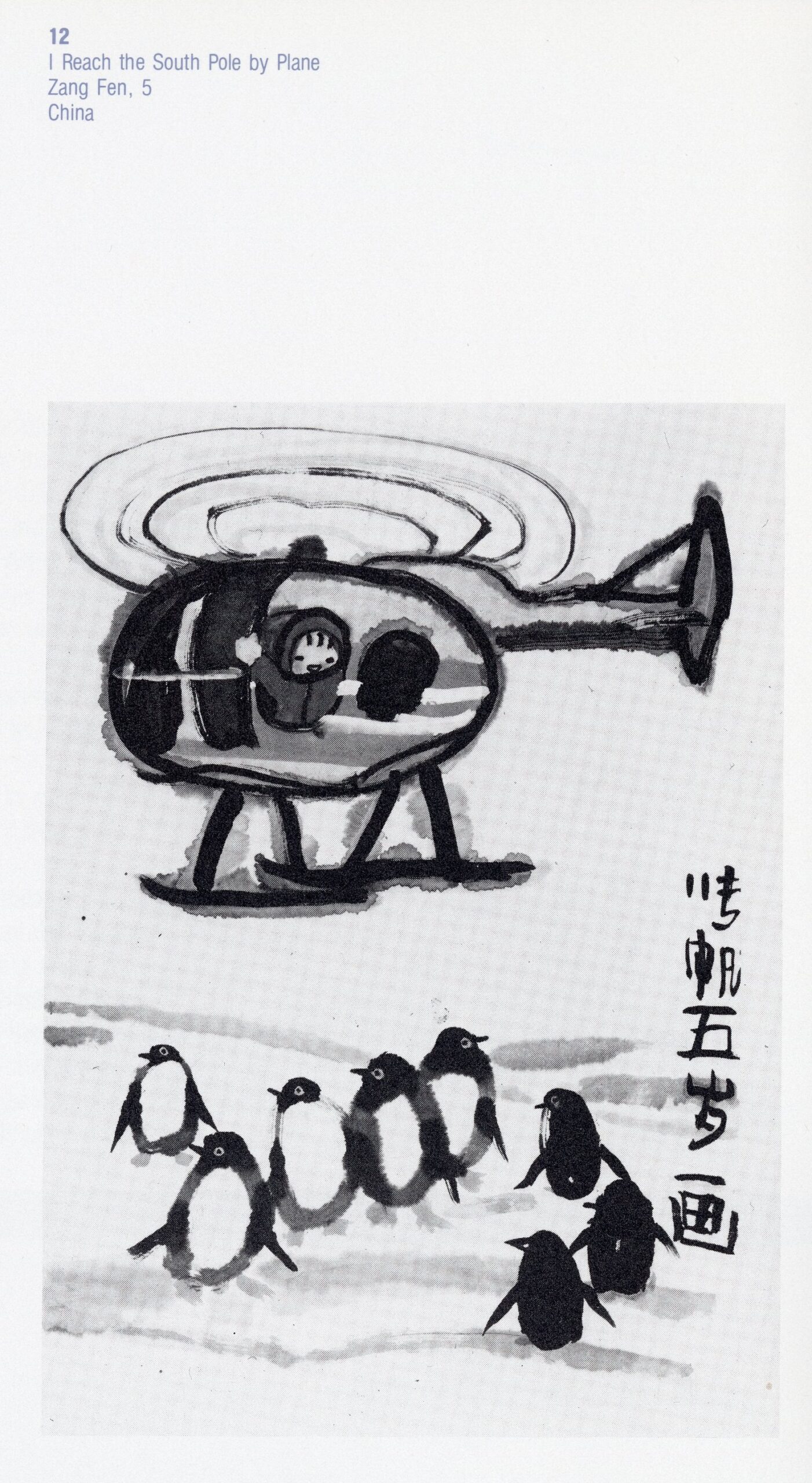
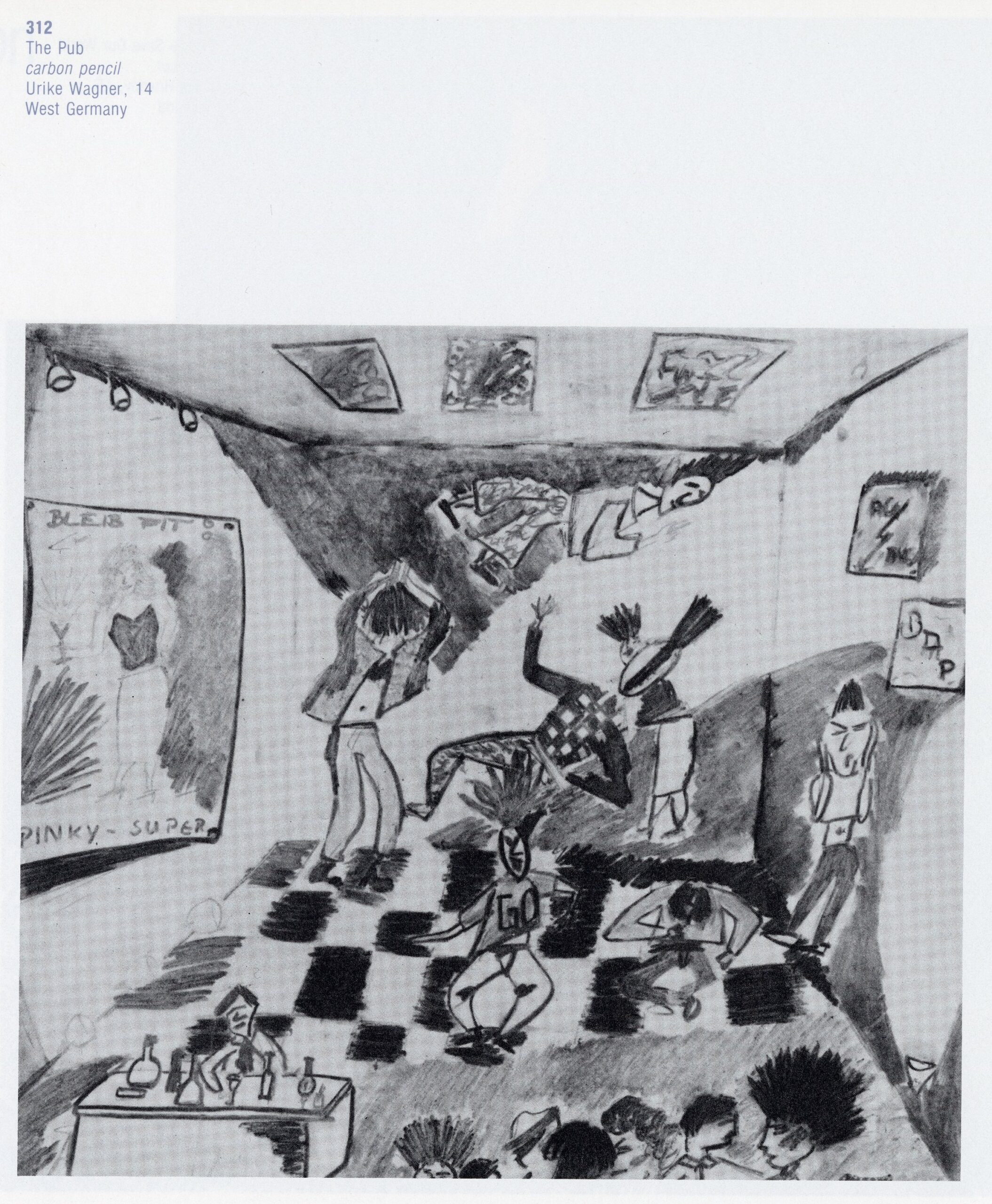
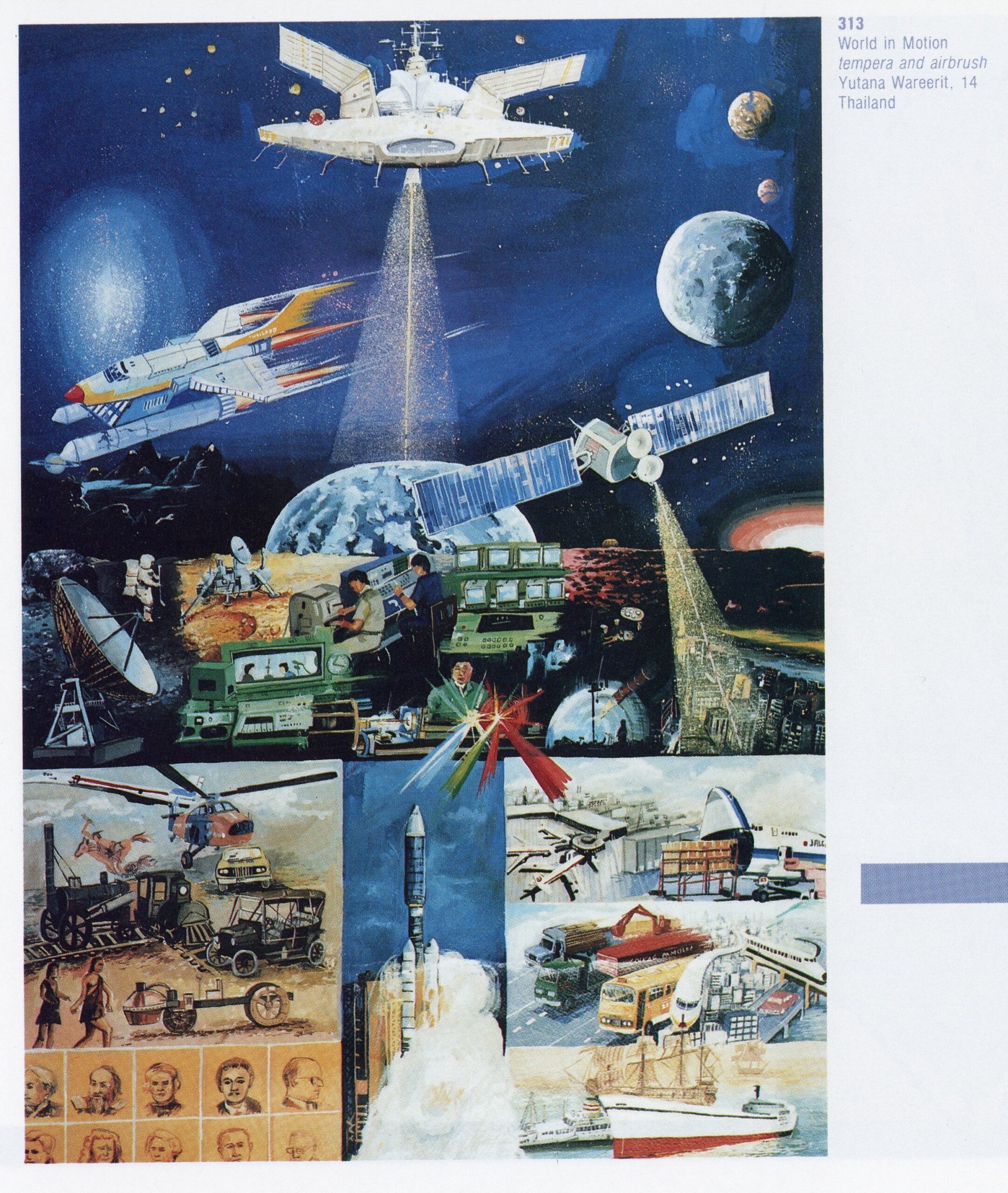
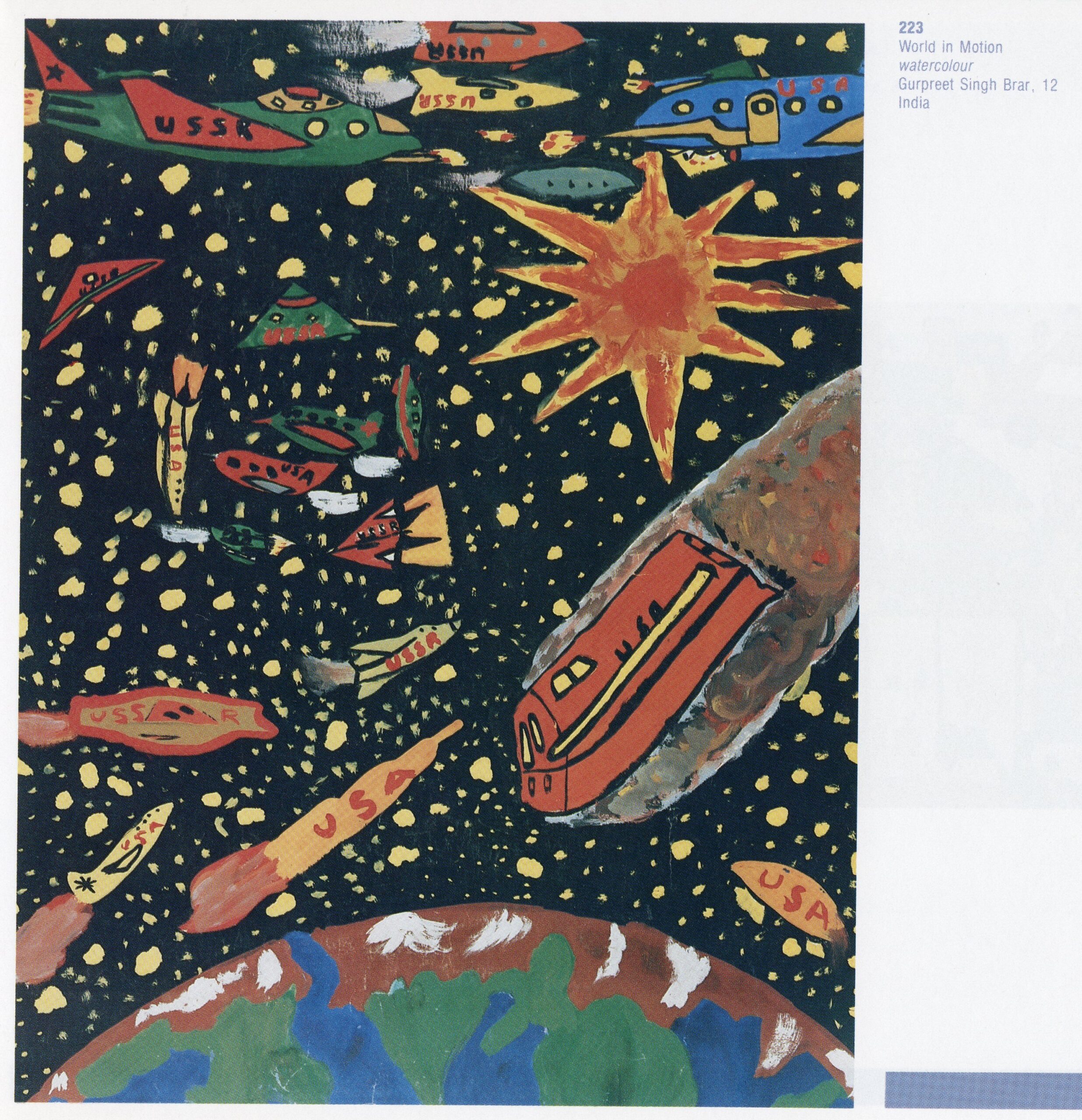
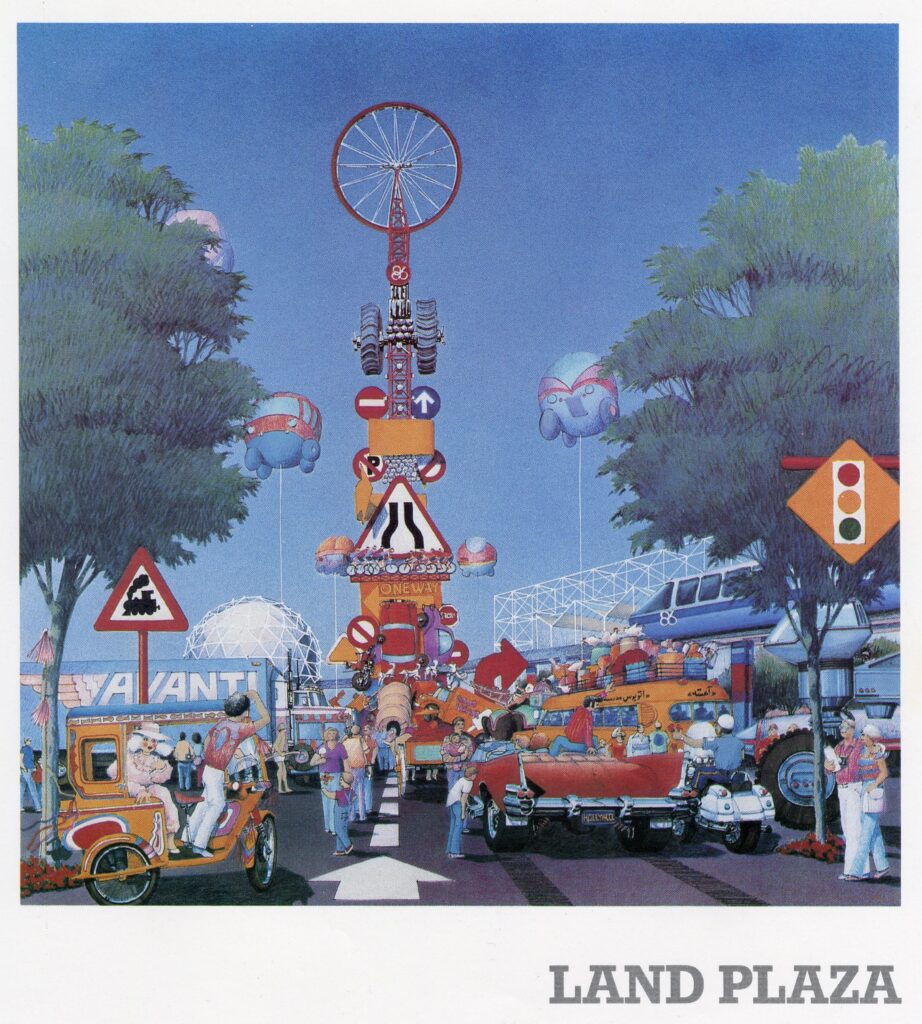
Expo 86’s theme, “World in Motion,” explored transportation and communication and celebrated technological innovations from the past, present and future.
Building on a theme of ‘Man in Motion,’ the committee put out the call to the world and the young, fledgling artists responded with vibrant and creative portraits of spaceships, transportation devices, wacky vehicles and more. Artists were encouraged to submit work in any medium, including painting, photography, digital imagery and drawing.
The exhibition was a pivotal moment in showcasing the institution’s commitment to furthering art education and displaying the talents of young artists of all ages. Whether it was an artist in South Africa depicting a person cycling to school or the bold colours in a racecar painting, the exhibition offered a unifying message that art education helps children process the world around them through their unique visual style.
Committee member Graehm Chalmers reflected on the aims of the exhibition, “This show helps us to respect differences and also to find similarities and thus learn to share and exchange experiences with others everywhere, regardless of race, colour or creed. In our emerging technological age and in this rapidly shrinking world, mutual understanding, respect and co-operation between peoples is more essential today than at any time in history.”
Eventually, the committee chose 418 works to display from over 52 countries and divided the works by age groups: seven and under, eight to 11, 12 to 14, and 15 to 18 years of age. Although encouraged to submit digital and computer-based works Tom Hudson noted the limitations of the technology at the time.
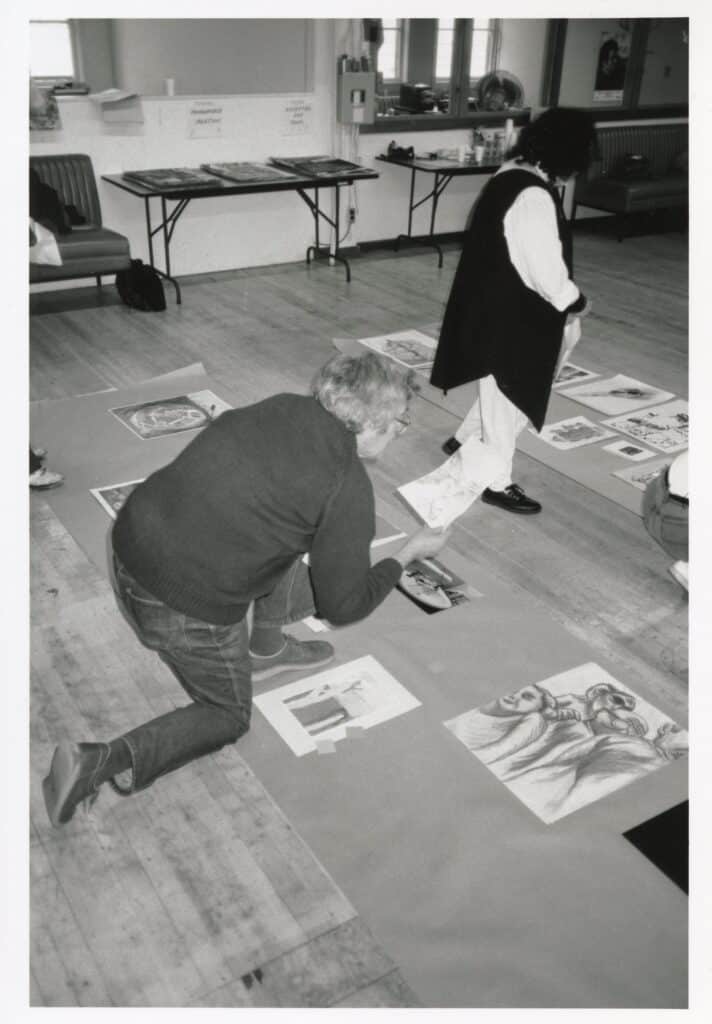
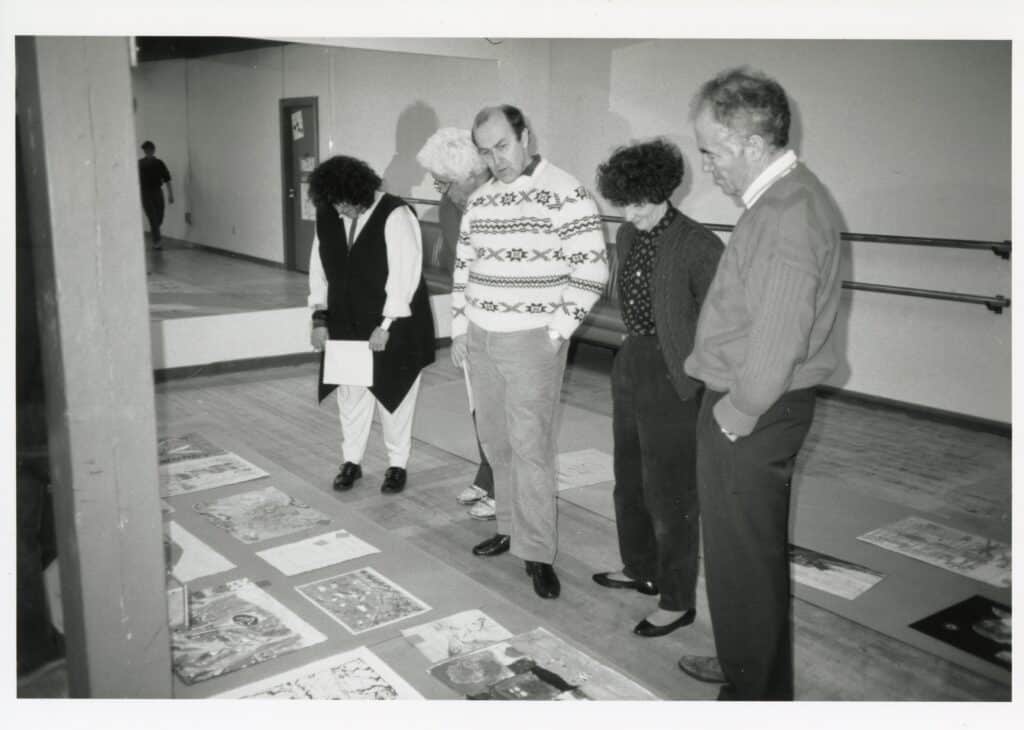
“Often computers in general use in schools are rather simple, relatively crude tools. Those little pixels ‘hop’ and ‘jump’, they cannot ‘run’! In other words, they cannot execute the fluent, elegant smoothness of a dextrous hand-drawn curve.”
A Resounding Success
Alongside Expo 86’s many concerts, pavilion parties, ceremonies and events, locals and visitors still made time to attend International Young Art at the Granville Island location with over 60,000 throughout the summer.
According to reports in the ECU Archives, the exhibition was a hit with the intended audience of young artists with 63 school groups attending guided tours, resulting in 1,563 children visiting the exhibition. Seeing art and design made by artists of their own age would undoubtedly have been impressive and expanded their understanding of the form.
The exhibition’s legacy was cemented when Rafael Goldin, General Secretary of the Foundation for Children’s History, Art and Culture, attended one of the receptions held at ECCAD and was so impressed by the works that he set out to acquire the collection for the newly opened International Museum of Children’s Art in Oslo, Norway, where it remains today.
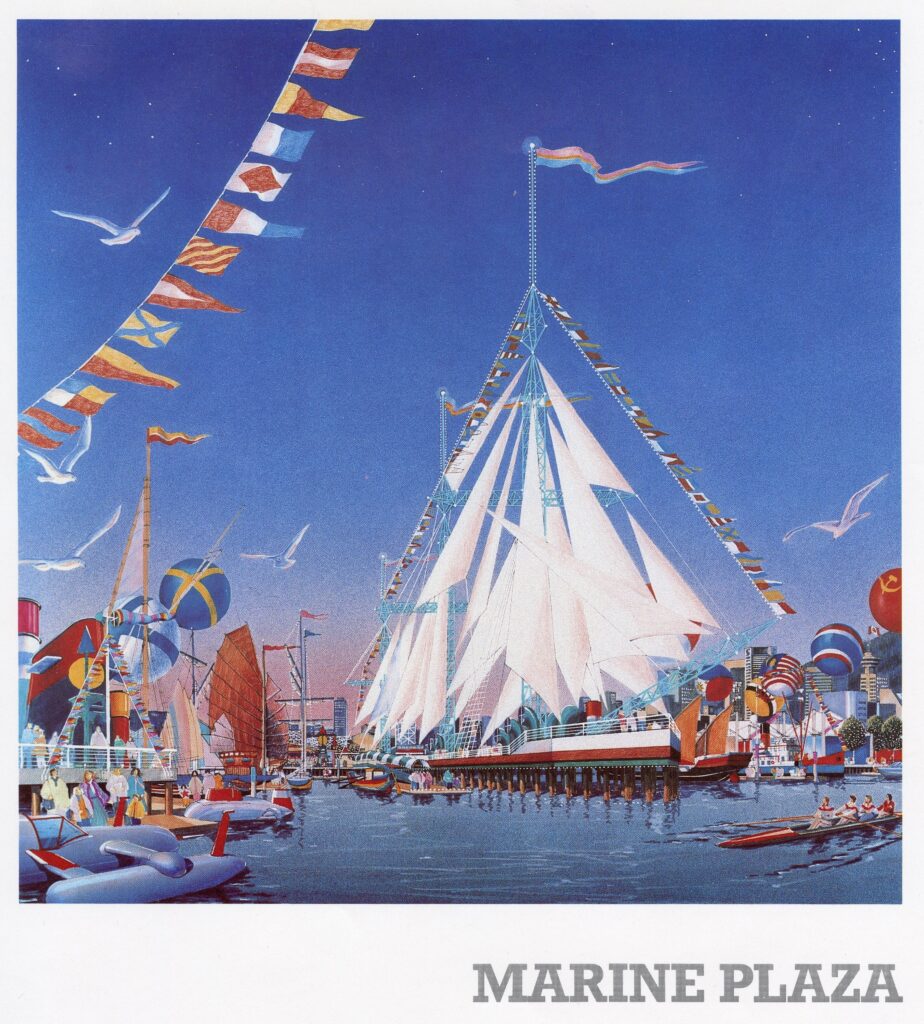
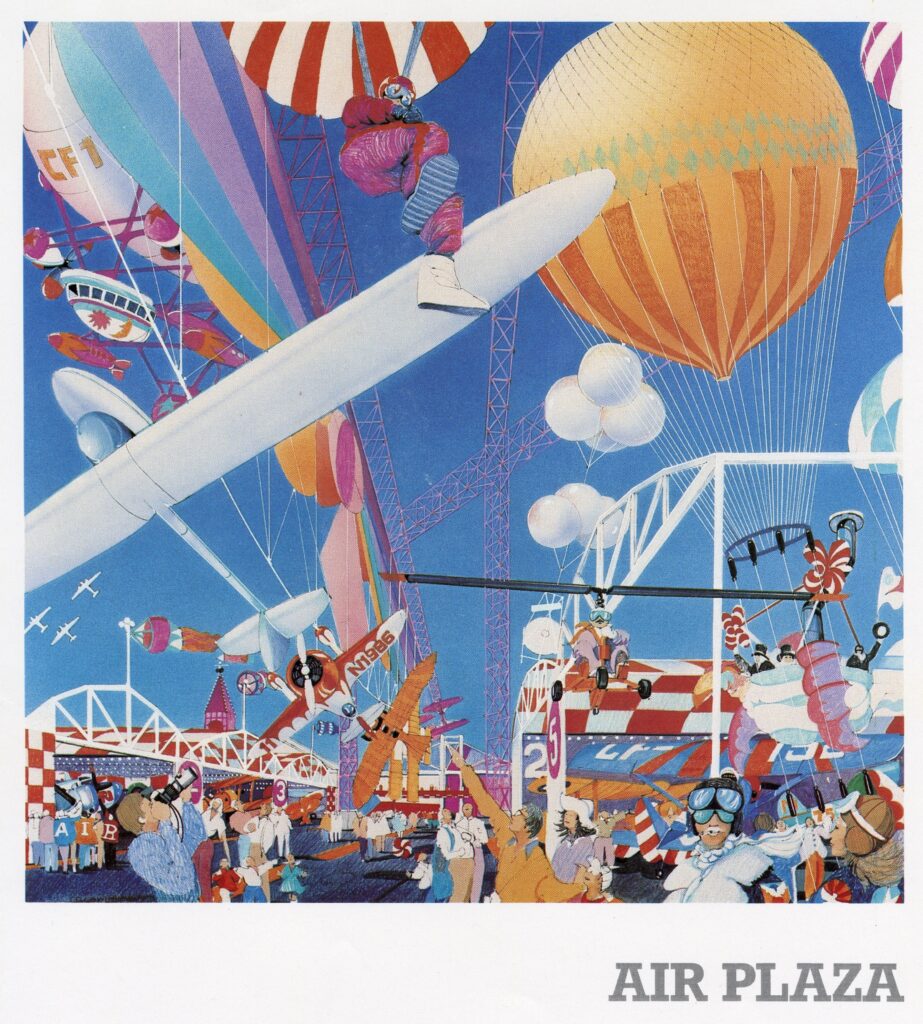
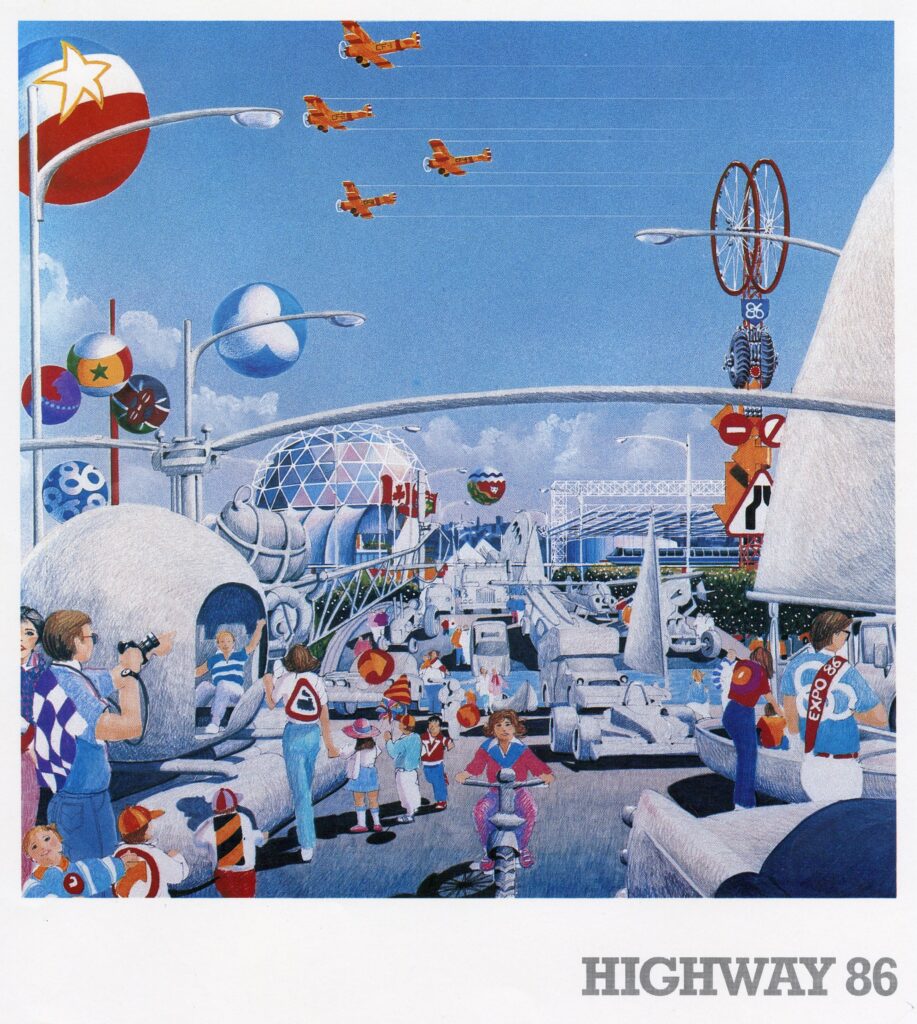
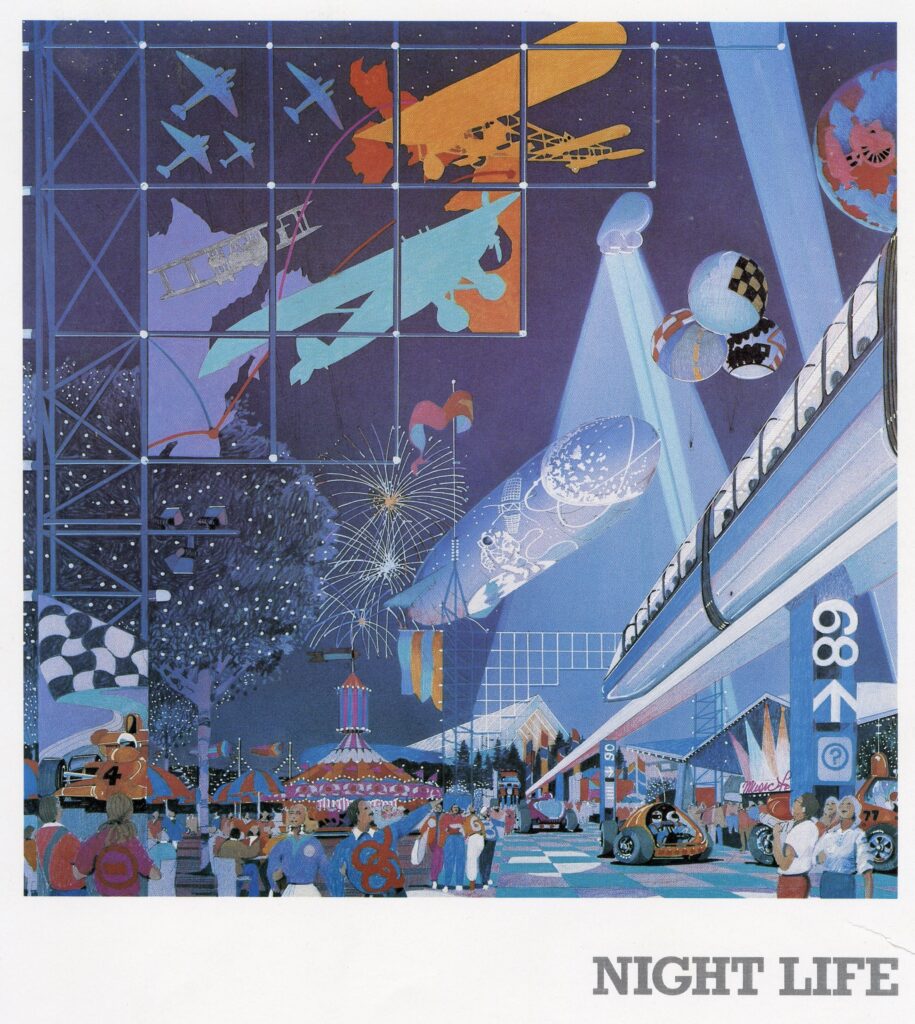
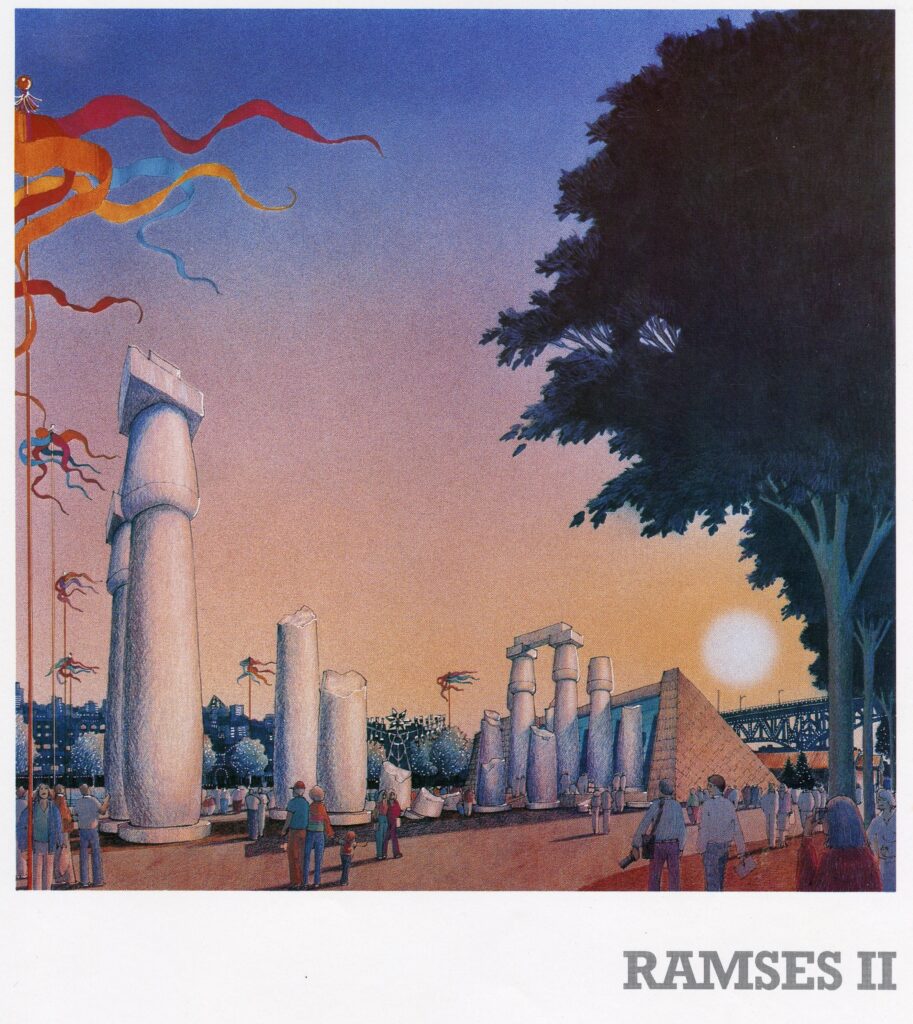
As Tom Hudson reflected at the time, the exhibition reflected a burgeoning ‘international art language’ across nations.
“However, for those who might think that the information explosion means that all shall use a common international language and end with images of boring similarity, the exhibition demonstrates that this is not necessarily so. In fact, this tendency is balanced by a self-confident assertion of the individual spirit within many children. They truly reflect the tendency to personal invention and diversity which is common to the adult art of the twentieth century.”
International Young Art illustrated how ECU’s commitment to advancing art education extended into the global classroom. By bringing together works by hundreds of young artists, the exhibition provided a platform for children to share their perspectives on a rapidly changing world.
100 Years of Creativity: The Stories that Shaped Us
As part of Emily Carr University’s centennial celebrations and our ‘100 Years of Creativity’ campaign, we are sharing stories that spotlight the creativity, resilience and impact of our community over the past 100 years. These stories feature the people, projects, places and ideas that have shaped ECU, reminding us of our shared legacy while inspiring the future. By revisiting past milestones and sharing new ones, we honour the many voices that built our institution and continue to guide its path forward.
For more information about ECU 100 centennial celebrations, upcoming events and stories, visit our webpage.