
For the renowned fashion designer, Simon Chang, fashion is a site of play and inspiration where any fabric, colour or texture could be the genesis of a new collection.
Simon Chang recognized early on that fashion was his true calling. He channelled those leanings by studying graphic design and photography at the Vancouver School of Art (VSA) — later Emily Carr University of Art + Design (ECU) — to further develop his design thinking. As a self-taught designer, he found that photography sharpened his observation skills, while graphic design refined his illustration and sketching.
We spoke with Simon about his time at the VSA, his collaborations with Canadian brands such as Home Hardware and Air Transat, and his advice for aspiring designers.
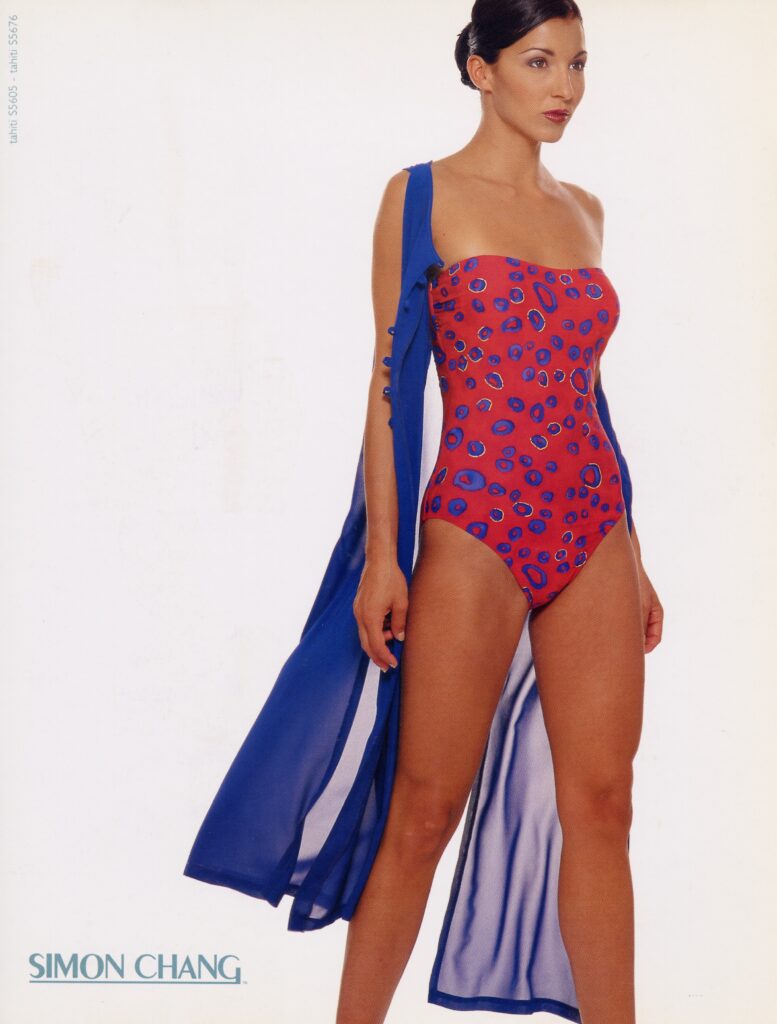
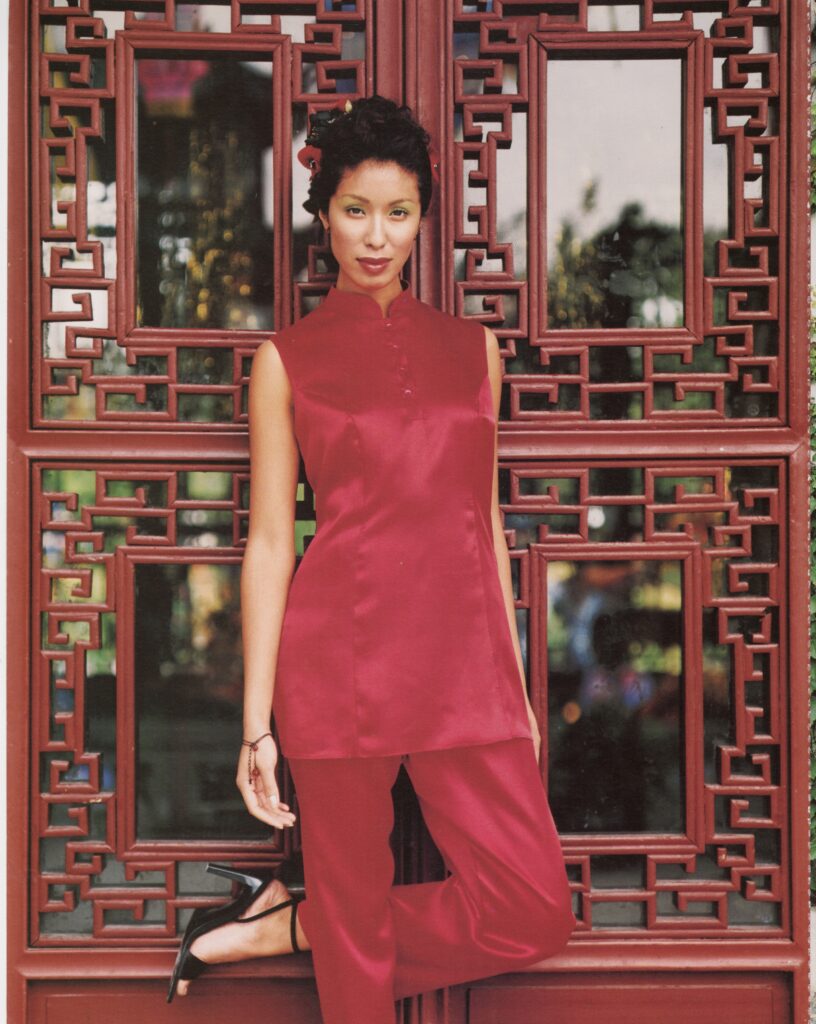
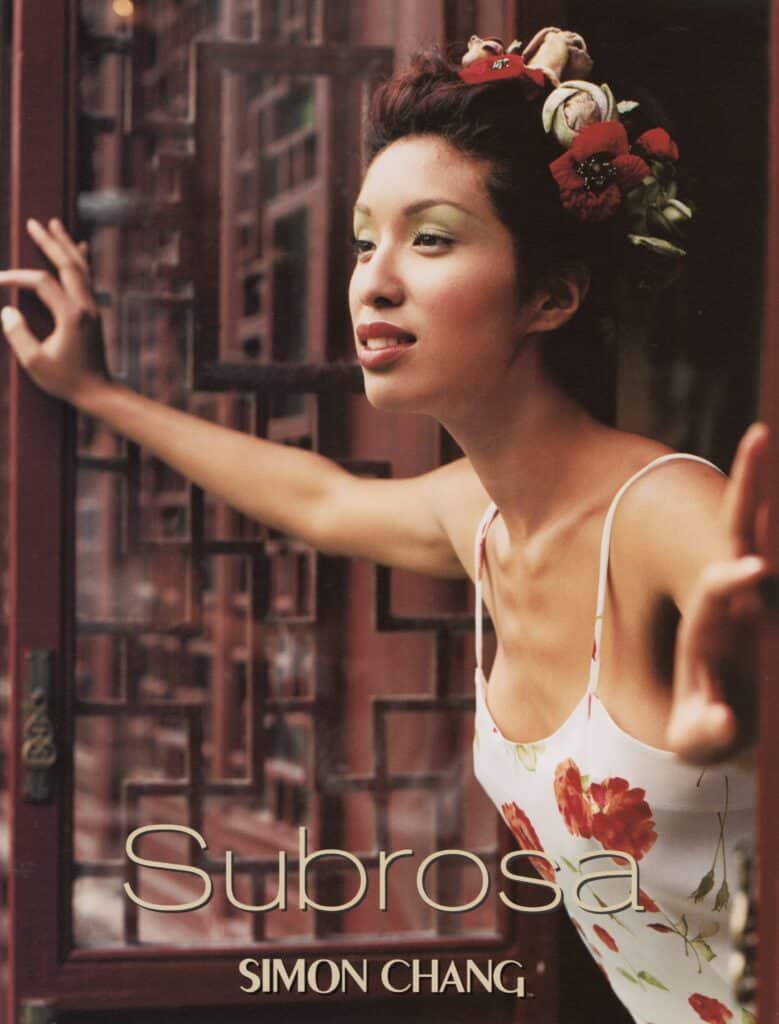
What originally drew you to study at the VSA?
I was always creative, and when I graduated from Britannia Secondary School, I received an art school scholarship from the Hudson’s Bay Company. Many of my friends were heading to UBC, so I felt fortunate and proud to have the opportunity to attend the Vancouver School of Art (later ECU). I was excited to immerse myself in a world of creativity. My interest at the time was fashion, particularly costume design for film, but there were no dedicated fashion schools back then.
I was also a great admirer of photographer Richard Avedon, and I imagined I might one day end up on Madison Avenue in New York, working on fashion advertising campaigns, just as he did.
You studied graphic design and photography at the school, how did that unique lens help shape your design approach?
Studying graphic design helped me refine my illustration and design skills and gave me the tools to create across many different areas, from textile prints and scarf designs to advertising campaigns, promotional materials, fashion labels and hangtags.
Photography taught me how to observe the world. It trained me to look more carefully, to notice details and to see things differently. As a designer, I needed to understand how people live, what was changing around them and what they needed from clothing. Developing a photographer’s eye helped me do that; it allowed me to see things differently and more thoughtfully than I might have otherwise.
Looking back, was there a particular project at ECU that marked a creative turning point for you?
Not particularly, but the projects themselves were important in helping me understand who I was becoming and the direction I wanted to take. One moment has stayed with me throughout my career. A teacher, Mr. Peters, once told me, “Be the person with the ideas.” That simple statement became a turning point for me; it shaped how I approached my work then and continues to influence me to this day.
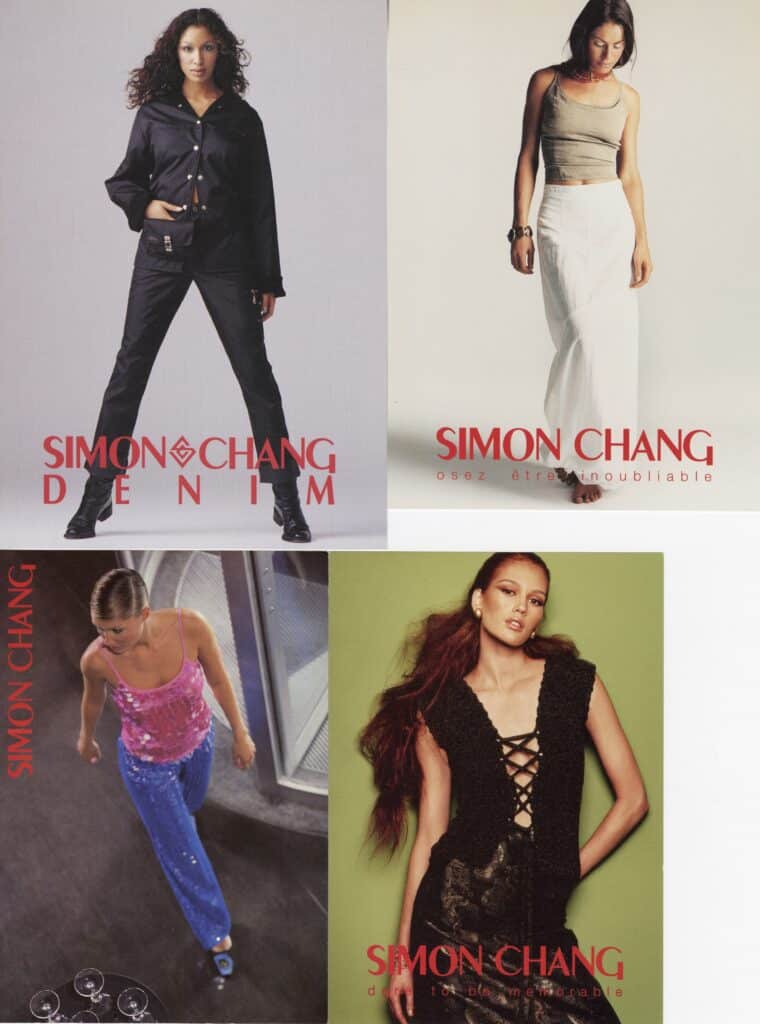
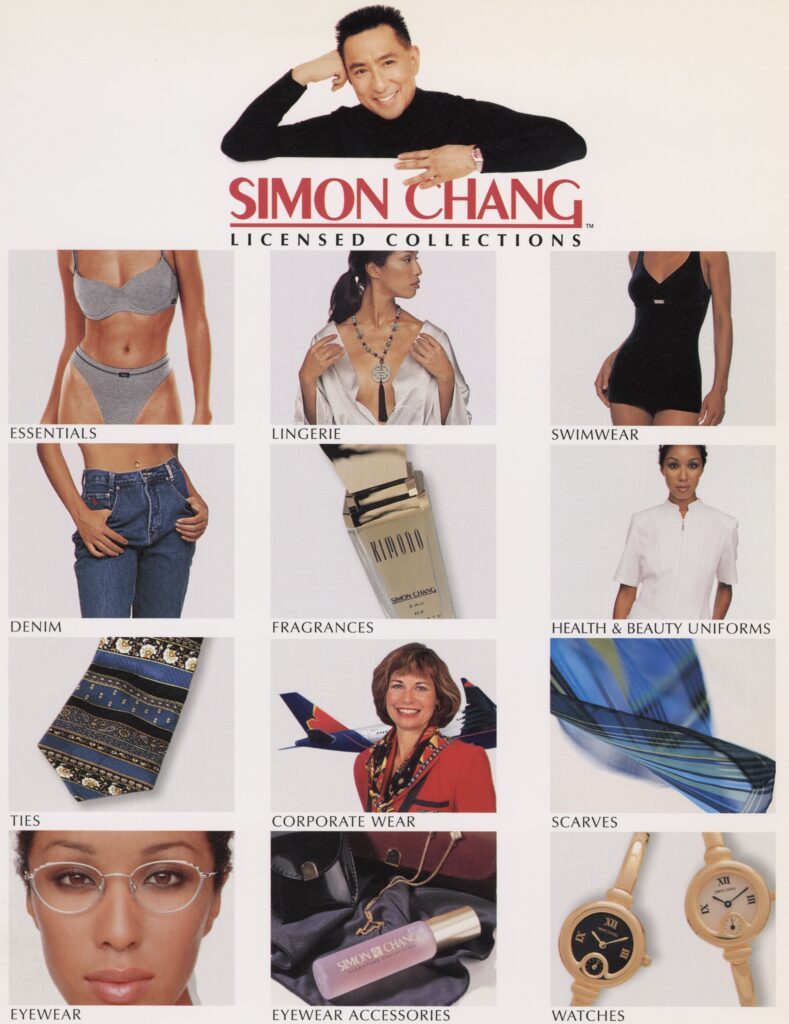
Fashion is a site of play and vibrancy in your work through the colours and prints. How did you find inspiration for certain collections or clients over the decades?
I have always been drawn to colour and print, finding inspiration everywhere from art, nature, architecture, music and the world around me. Over time, my greatest inspiration became the women I designed for. I valued the opportunity to meet them, listen to them and understand how they lived, so I could design clothing that truly responded to their needs.
When I began my career in the 1970s, women were entering the workforce in greater numbers, gaining financial independence and expressing their individuality. They wanted freedom, confidence and choice, which shaped my work. I created wardrobes of separates designed for versatility, pieces that could be mixed, matched and adapted to different parts of their lives.
As their lives evolved, so did my collections, from workwear and power suits to weekend wear and special occasion dressing, while reflecting the changing realities of the women I designed for.
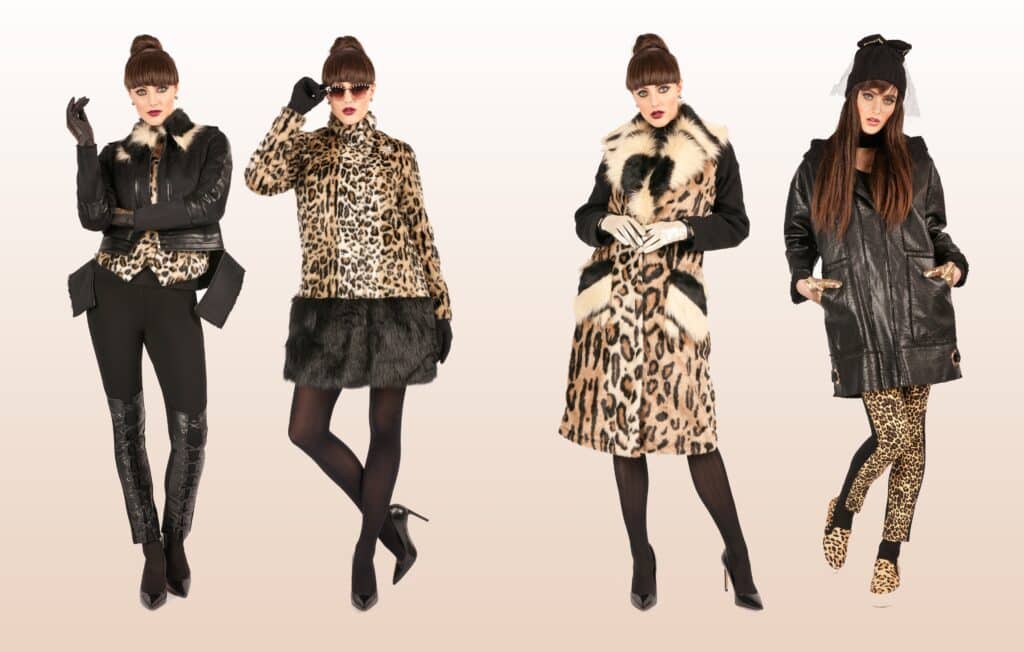
Your work has been pivotal in shaping Canadian brands like Home Hardware, Air Transat and more, what did those partnerships teach you about informing Canadian identity through fashion?
As an immigrant, becoming Canadian is one of the greatest privileges of my life. I was honoured whenever I had the opportunity to work with some of Canada’s most iconic institutions.
Although I think of myself as a global citizen, I have always been proud to represent Canada wherever I go. My goal has always been to showcase the best of what Canada has to offer: our creativity, diversity, innovation and talent. I believe the Canadian identity should not simply be first-class; it should be world-class.
What advice would you give Emily Carr University students aspiring to be in the fashion scene?
My advice is to be original. Trust your intuition and don’t be afraid to think differently. Technical skills are important, but great ideas are what set you apart. Stay curious, explore the world around you.
As you reflect on your career, what hopes do you have for your brand’s future and for Canadian fashion?
I’ve always loved that fashion is constantly changing. After more than 50 years in the industry, I’ve seen styles come and go, but true originality never goes out of fashion. However, I believe we’ve seen too much sameness recently. My hope for the future is a return to greater originality, creativity and uniqueness.
As the Simon Chang brand continues to evolve, my greatest source of pride is the Foundation that bears my name, the Simon Chang Foundation for Change. My hope is that its mission will endure beyond fashion, encouraging creativity, embracing diversity and inclusion and celebrating the unique qualities that connect us.
100 Years of Creativity: The Stories that Shaped Us
As part of Emily Carr University’s centennial celebrations and our ‘100 Years of Creativity’ campaign, we are sharing stories that spotlight the creativity, resilience and impact of our community over the past 100 years. These stories feature the people, projects, places and ideas that have shaped ECU, reminding us of our shared legacy while inspiring the future. By revisiting past milestones and sharing new ones, we honour the many voices that built our institution and continue to guide its path forward.
For more information about ECU 100 centennial celebrations, upcoming events and stories, visit our webpage.