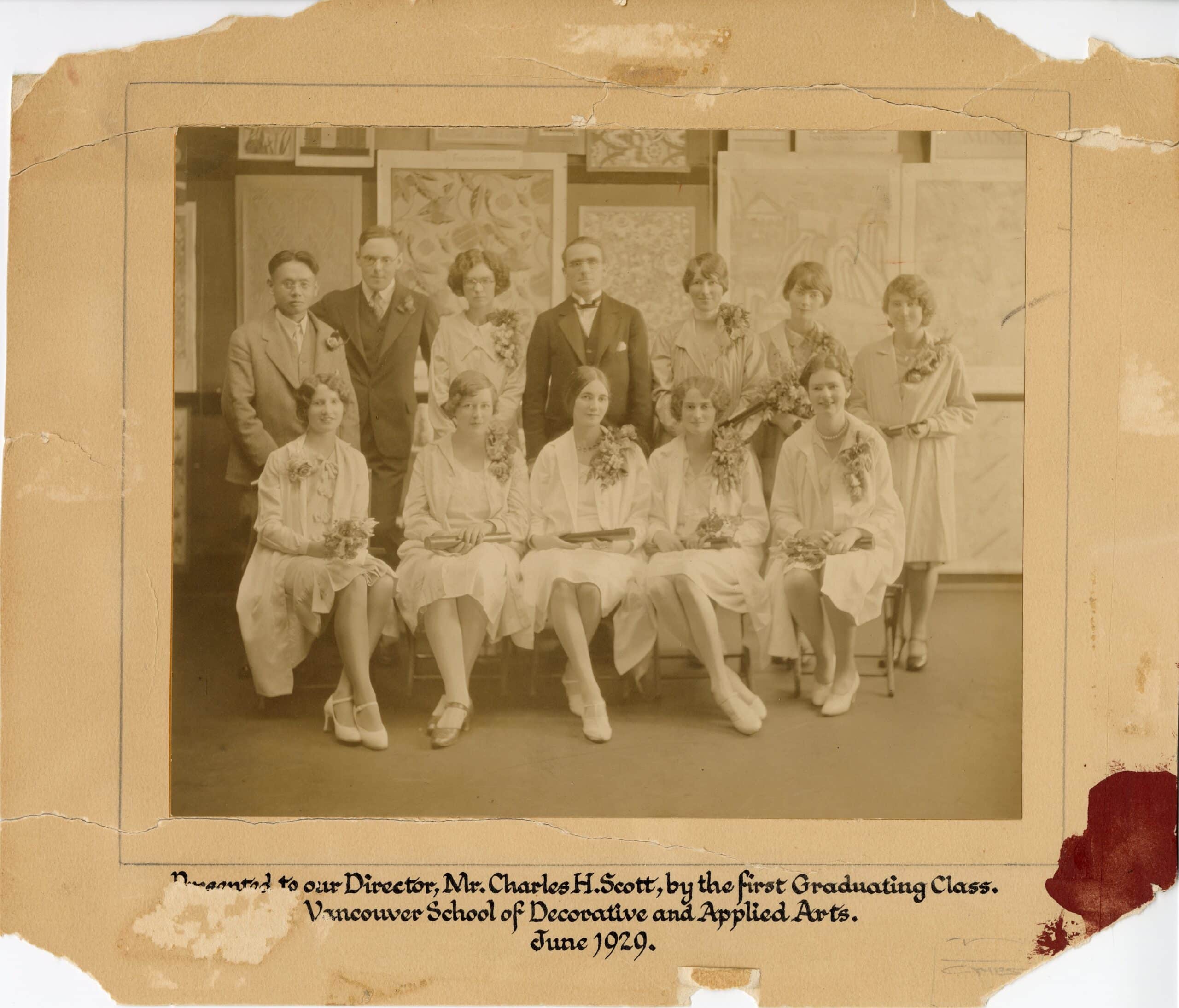
For ECU 100, we’re paying tribute to the trailblazers who first graduated from the Vancouver School of Decorative & Applied Arts (VSDAA) in 1929.
Every institution has to start somewhere, and at Emily Carr University of Art + Design (ECU), it began with the first 11 graduates in 1929 who carried their fresh ideas into the world.
These artists stepped into the burgeoning local art scene and had to create opportunities to showcase their work by banding together or founding new collectives. Whether through teaching, exhibiting, or shaping Vancouver’s growing art culture, their paths reveal the impact of the university’s foundation of practice-based education.
1. Fred Amess
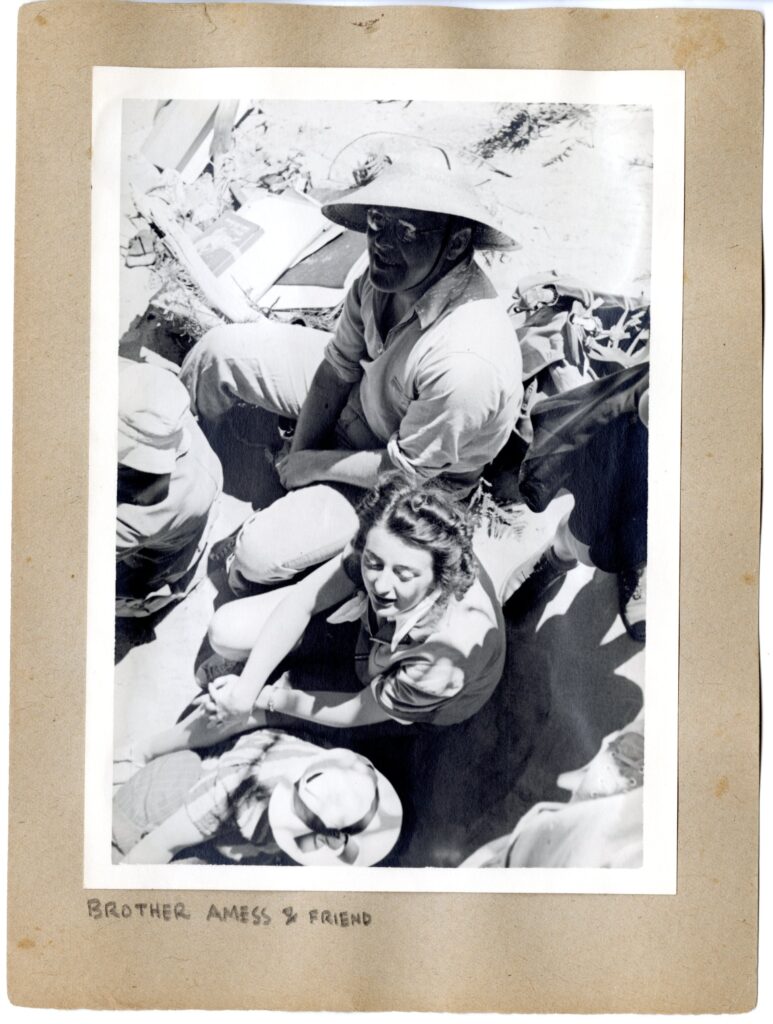
Fred Amess, part of the first graduating class, was known for West Coast landscapes and vibrant portraits. He later became Evening School Supervisor and then Principal from 1952-1970, succeeding Charles H Scott. He also helped build art communities, co-founding the Federation of Canadian Artists (1941) and the Art in Living Group (1949) with B.C. Binning, organizing the Design for Living exhibition at the Vancouver Art Gallery, highlighting modernist architecture.
2. Yitkon Ho
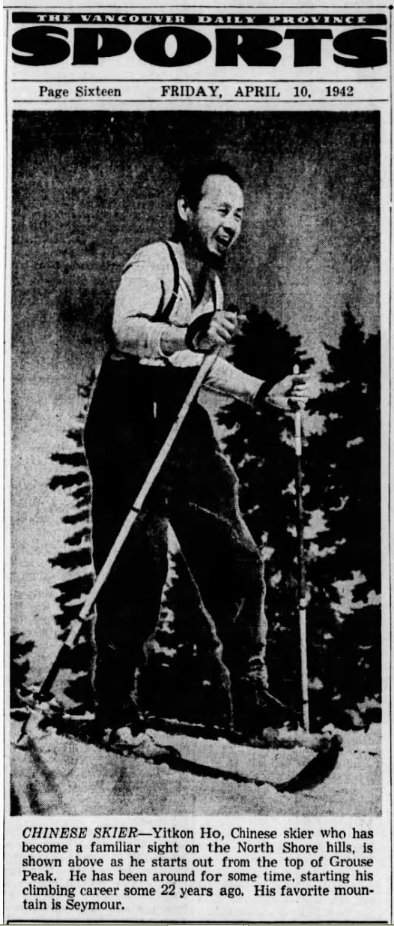
As the first Chinese Canadian graduate of the School, Yitkon Ho studied art and design at a time of racial discrimination and strife within the city. He participated in several art shows during his time at the school but later pivoted becoming a tailor and opening a shop in Chinatown. Yitkon was also an avid mountain climber, becoming the first person to reach the peak of Mount Garibaldi solo. He climbed across Garibaldi, Banff, and Vancouver Island, and was written about in the Canadian Alpine Journal in 1949.
3. Marjorie Lyne
While not as well-known as her peers, Marjorie Lyne was an avid painter while at the school and designed several covers for Paint Box, the first student publication. After graduation, she participated in the PASOVAS exhibitions in the early 1930s.
4. Beatrice (Bea) Lennie
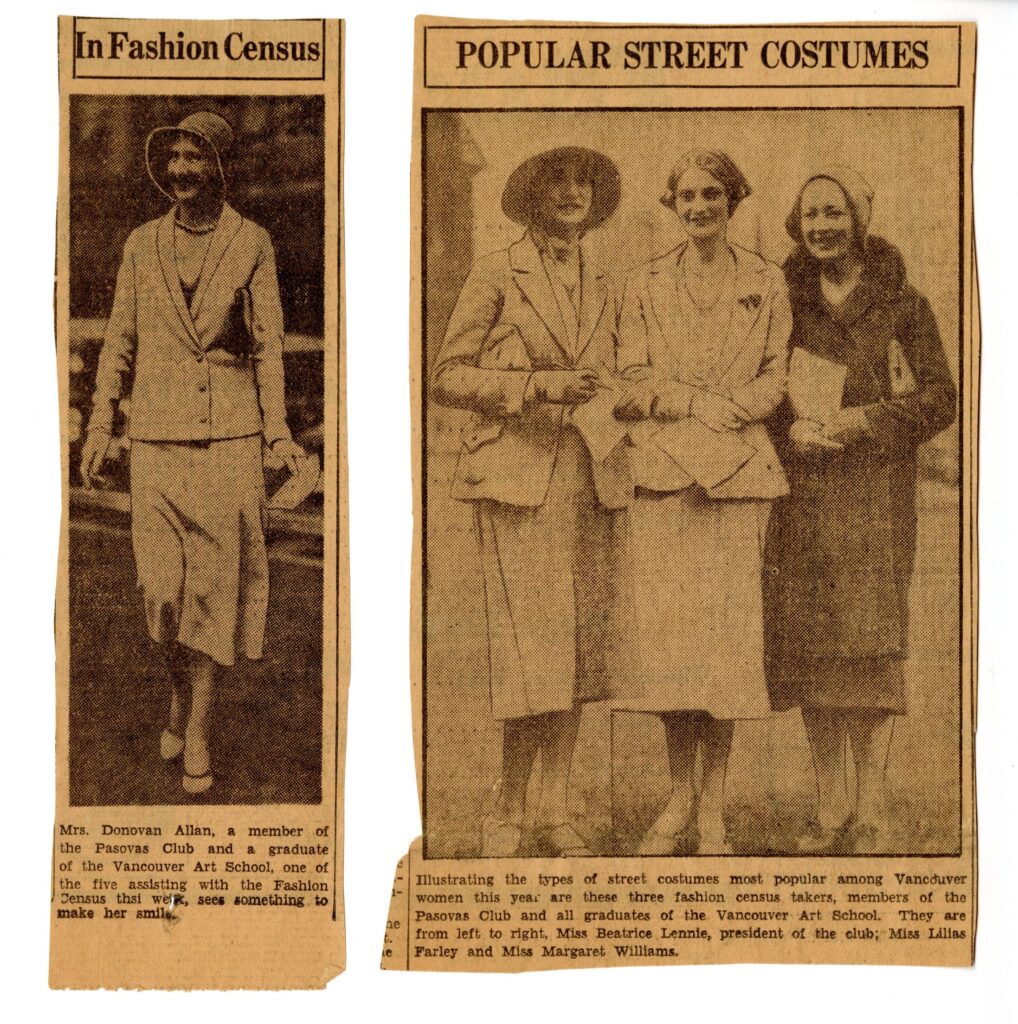
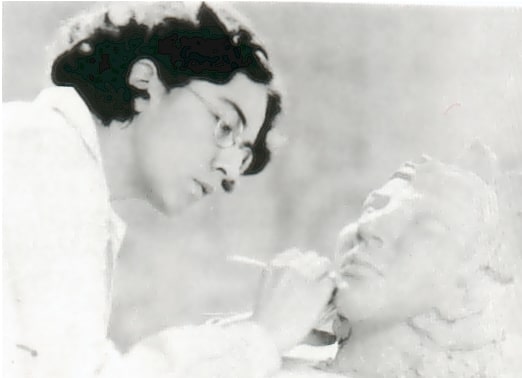
Studying under sculptor Charles Marega shaped Beatrice Lennie’s career as an educator and artist. One of the city’s first female sculptors, she defied expectations with vivid sculptures across Vancouver. Her works ranged from her final graduate piece, ‘Mining,’ which took four piano movers to deliver, a ten-foot stone Hippocrates at the Academy of Medicine building, to religious depictions at several hospitals and institutions.
5. Lilias Farley
Known for her murals and sculptures, Lilias Farley was a multi-disciplinary artist after graduation, studying puppetry and crafts while also working in theatre design. Her work could be spotted at the Hotel Vancouver, where she created murals for the royal visit in 1939, and at the Vancouver Post Office building. Though these works are lost to time, Lilias later made her mark in Whitehorse, Yukon, in 1948, where she worked as an art teacher and taught generations of students
6. Margaret Williams
For Margaret Williams, her time as editor of Paint Box was instrumental to her work as an artist and administrator, where the hustle of putting together a publication was as crucial as organizing an exhibition. After graduation, she helped found the Federation of Canadian Artists and served as Curatorial Assistant at the Vancouver Art Gallery.
7. Irene Hoffar Reid
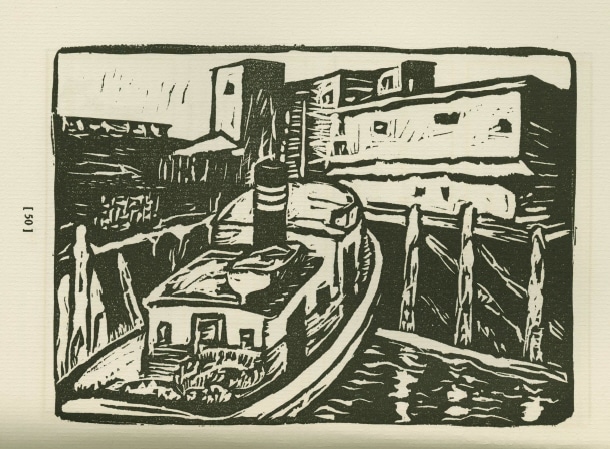
Known primarily as a painter, Irene Hoffar Reid was a prominent member of Vancouver’s art world through exhibitions and community involvement as one of the founding members of PASOVAS (Pioneer Art Students of the Vancouver Art School), which put on annual exhibits for alumni. She also taught at the school from 1933 to 1937 and later became the president of the B.C. Society of Painters and the Canadian Group of Painters. Irene’s career reflects the quieter but essential role many early graduates played in sustaining and shaping the region’s artistic foundations.
8. Phyliss Kirkpatrick
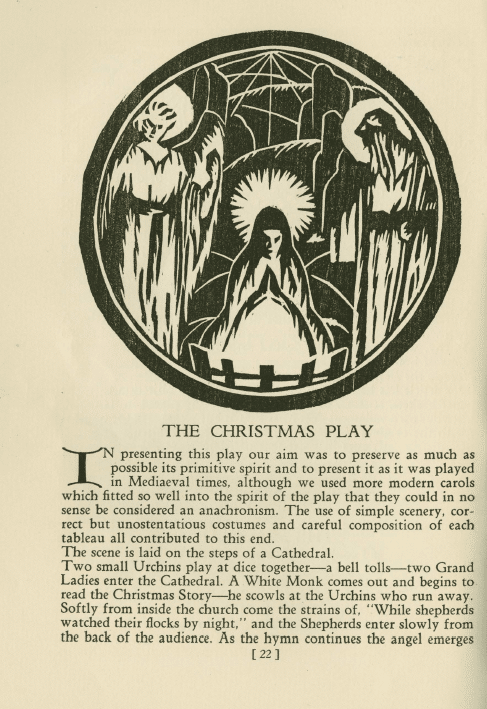
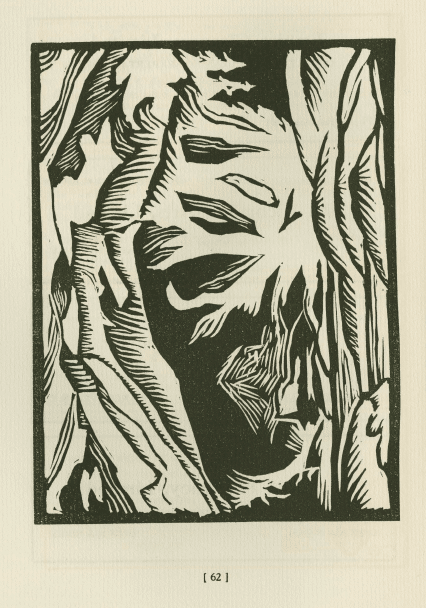
An accomplished carver and painter, Phyllis Kirkpatrick worked as a painter during the early 1930s. While less documented than her cohort, Phyllis exhibited her work at the PASOVAS exhibition in 1930, taught wood engraving, and moved to Buenos Aires.
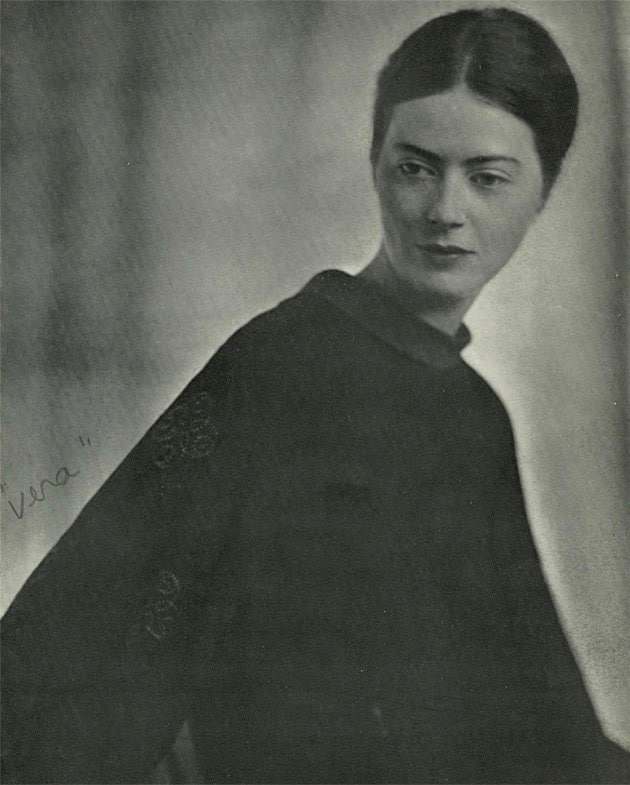
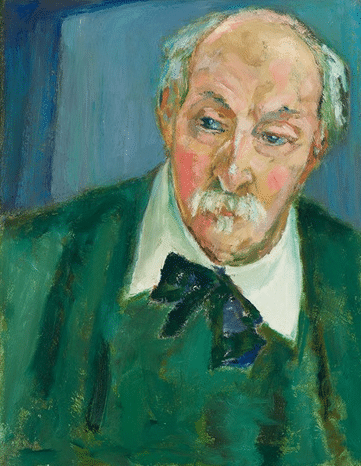
9. Vera Weatherbie
Though well-known as the muse of Group of Seven member and painter Frederick Varley, Vera Weatherbie was an accomplished painter in her own right, and her paintings reveal a reverence and warmth towards her subjects. She later studied at the Royal Academy and taught at the BC College of Art, the rival school to the VSDAA in 1933. After her relationship with Varley ended, Vera married art collector Harold Mortimer Lamb, and her portraits reflect a modernist sensibility and spirituality. Vera’s work was later appreciated through several retrospective shows at the Vancouver Art Gallery, the Art Gallery of Greater Victoria, and the Belkin Gallery.
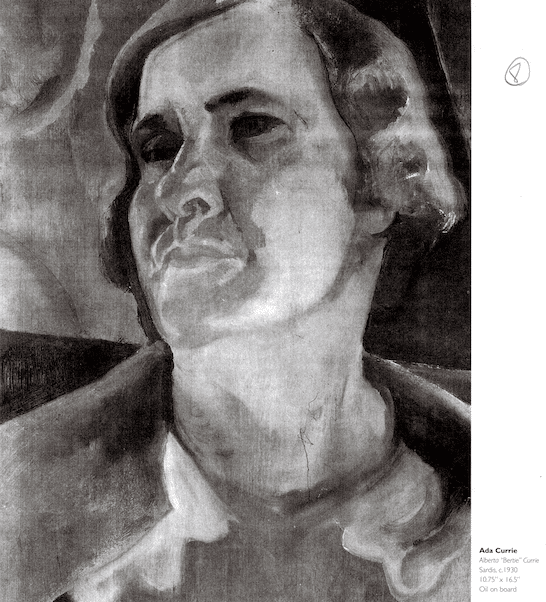
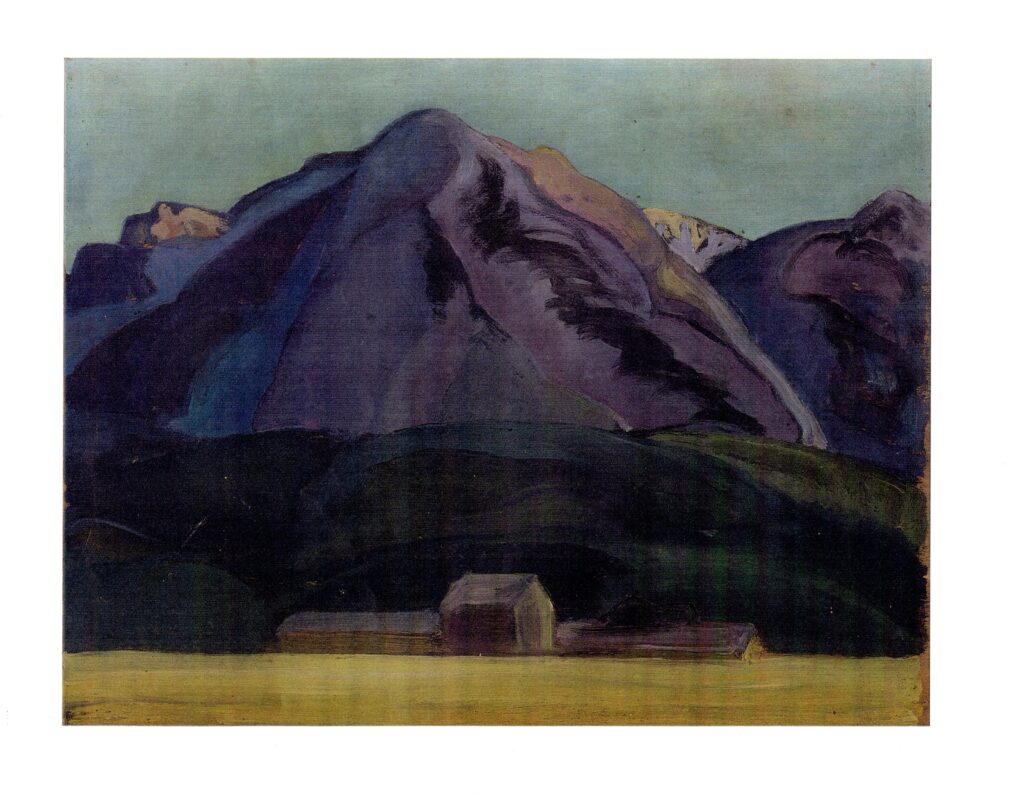
10. Ada Currie
Ada Currie embodies the alum who was deeply shaped by her time at the VSDAA, with art and design continuing to inform her outlook beyond her formal studies. Best friends with Vera Weatherbie at the school, Ada joined her often on sketching and painting trips across the region, where she developed a love of the outdoors. As the years went on, Ada settled into domestic life and raising a family but still found moments for illustration and painting
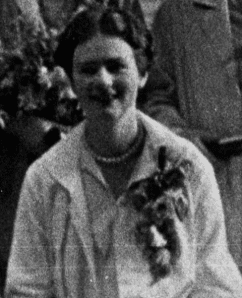
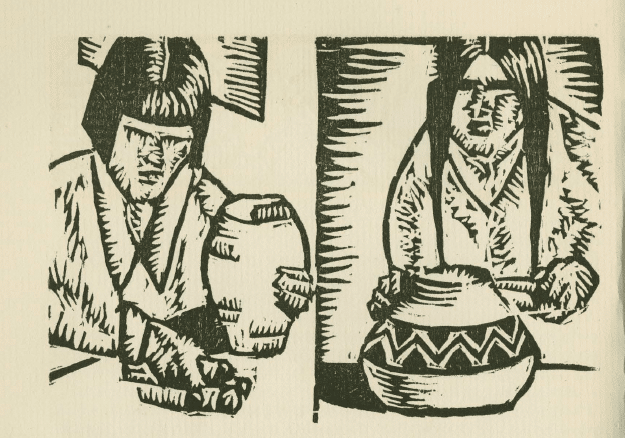
11. Frances Gatewood
Frances Gatewood gravitated towards ceramics at the school and later returned to teach the subject at the night school in the 1940s. As with her cohort, she showcased her work at the PASOVAS exhibitions and the Vancouver Art Gallery. She also served as editor of The Smock Pocket, an alumni publication for the school, and was noted to have studied pottery in California.
As ECU marks 100 years and prepares to celebrate a new graduating class this May, their first class of 1929’s journeys remind us that each cohort carries the university forward in its own unique way.
100 Years of Creativity: The Stories that Shaped Us
As part of Emily Carr University’s centennial celebrations and our ‘100 Years of Creativity’ campaign, we are sharing stories that spotlight the creativity, resilience and impact of our community over the past 100 years. These stories feature the people, projects, places and ideas that have shaped ECU, reminding us of our shared legacy while inspiring the future. By revisiting past milestones and sharing new ones, we honour the many voices that built our institution and continue to guide its path forward.
For more information about ECU 100 centennial celebrations, upcoming events and stories, visit our webpage.