In Beth Howe’s studio course, Artists in the Archives, students created artworks responding to materials in the City of Vancouver (COV) archives.
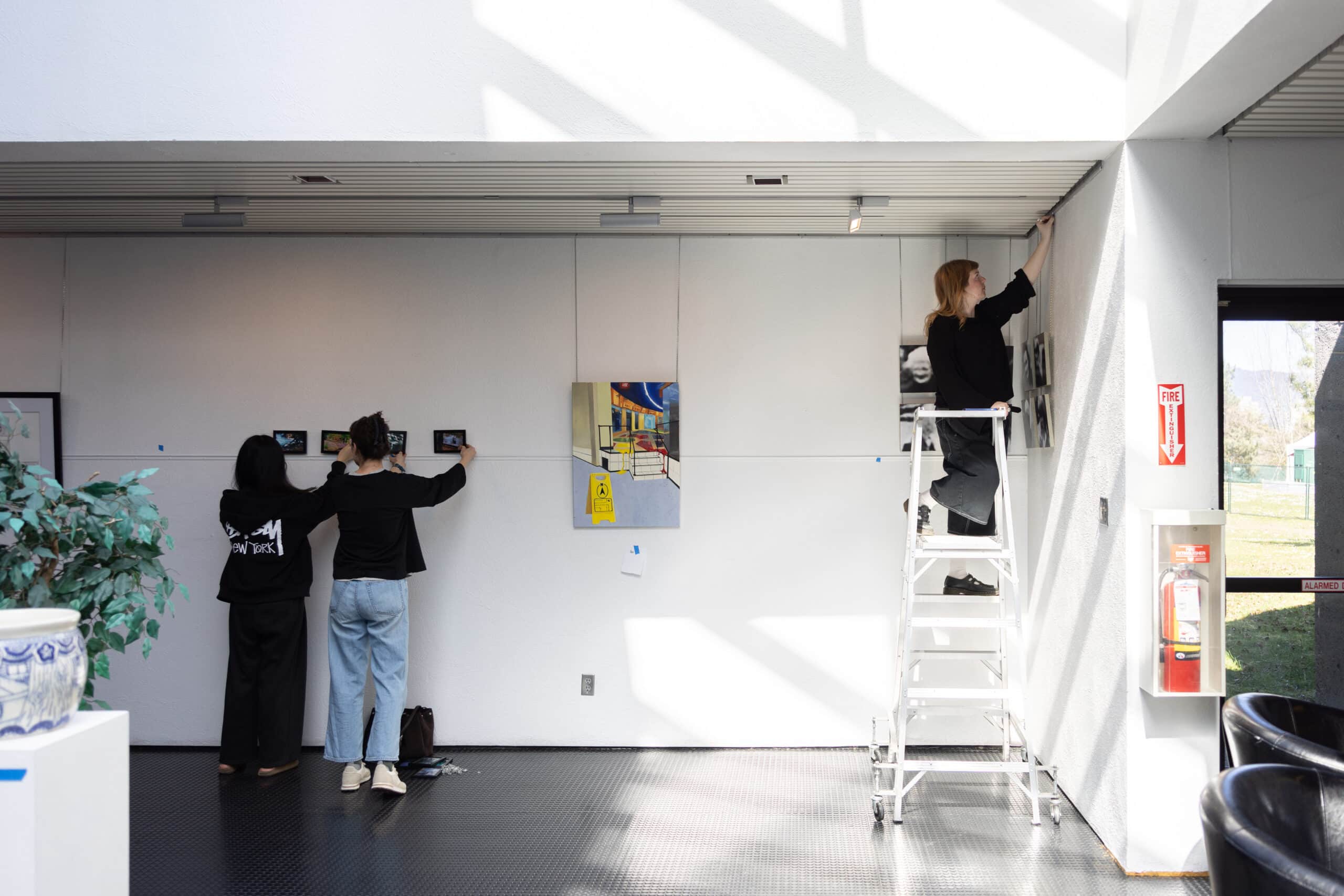
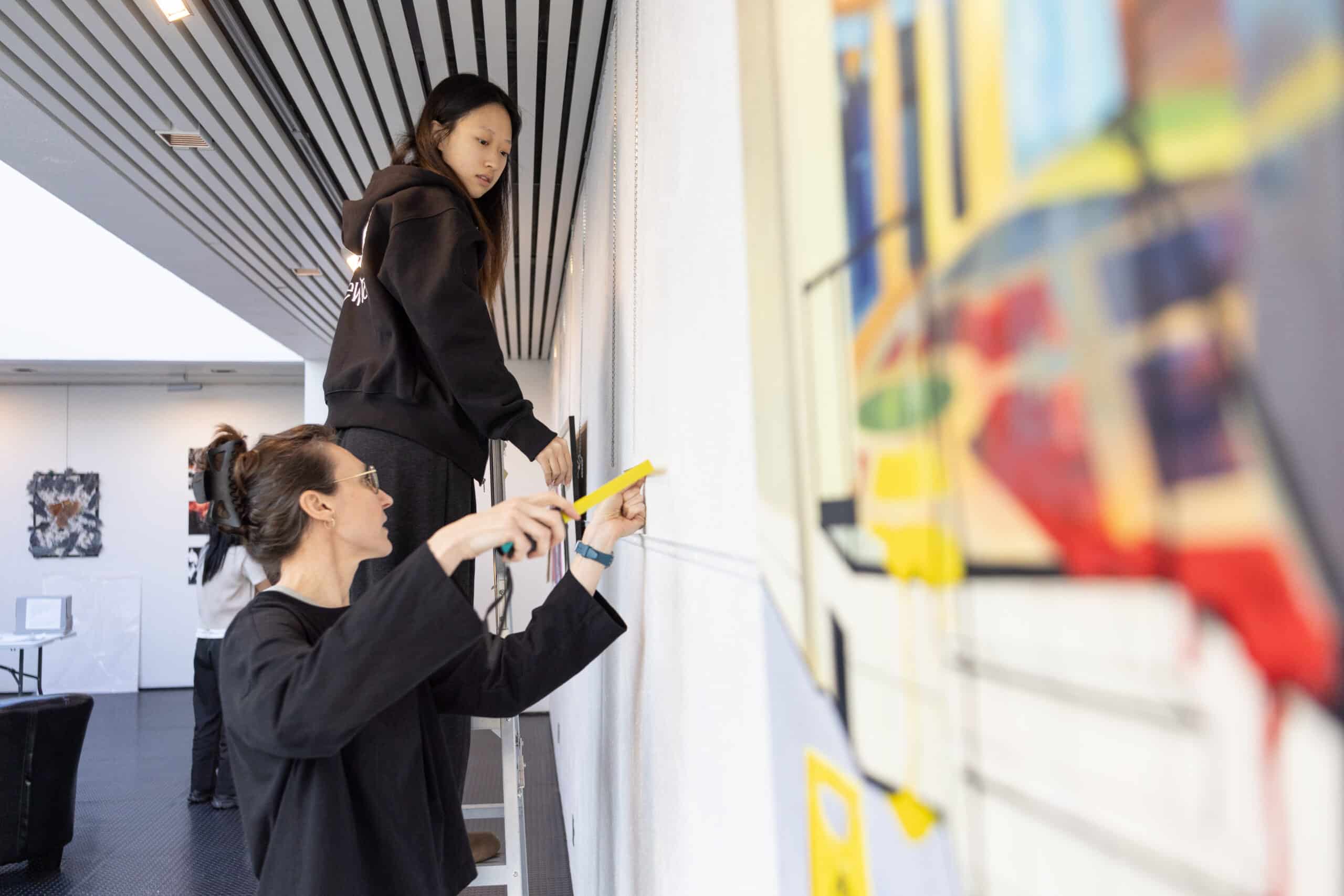
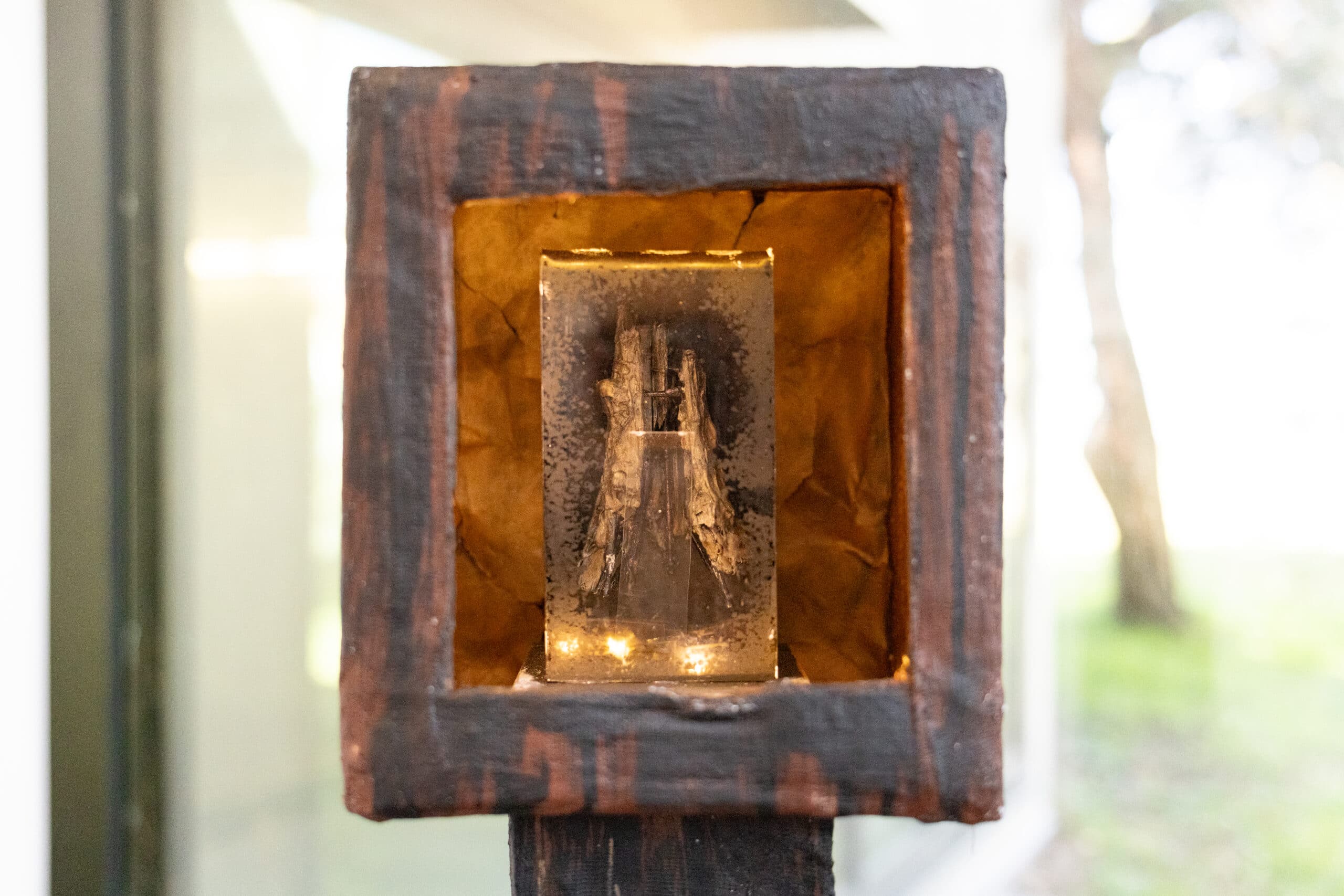
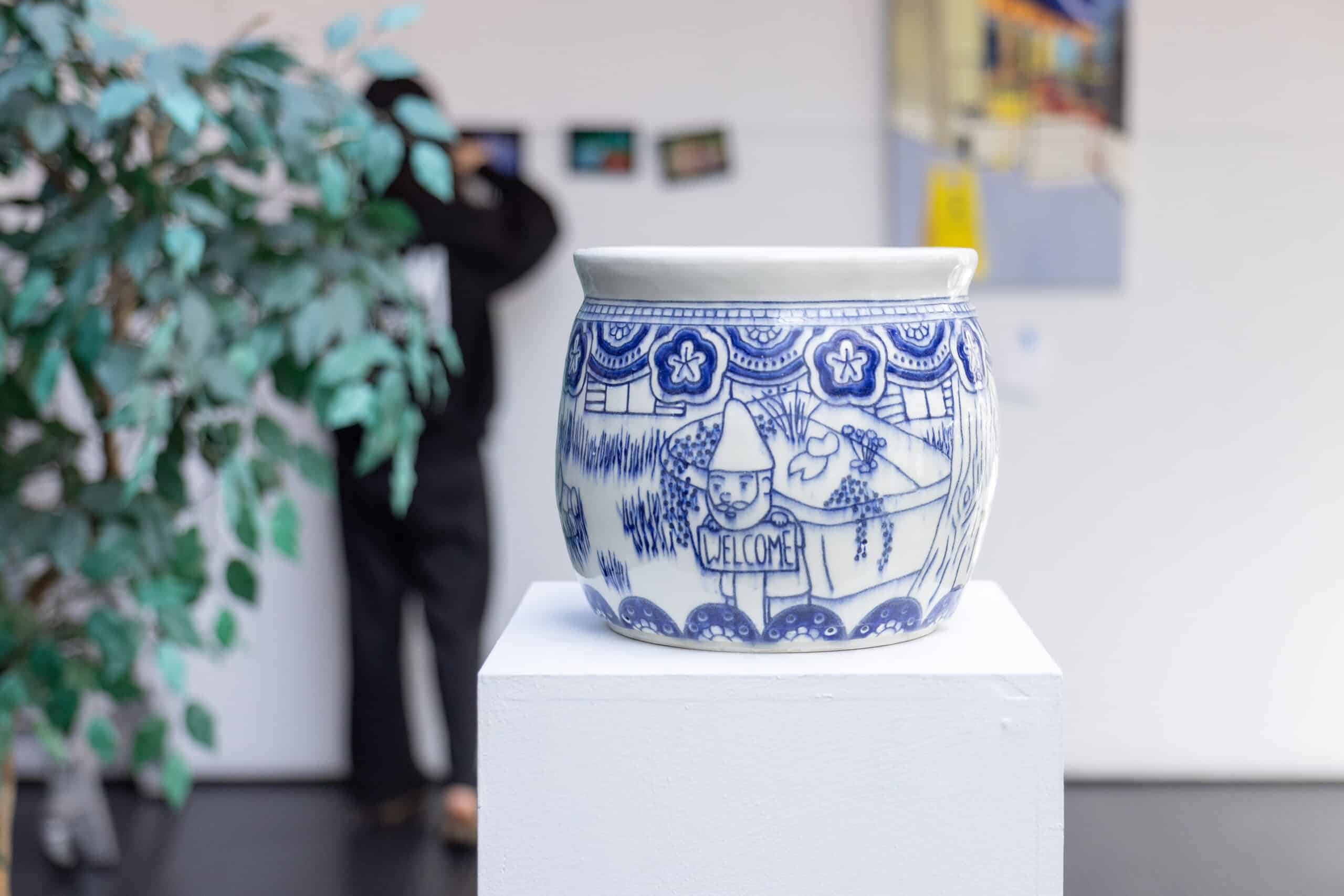
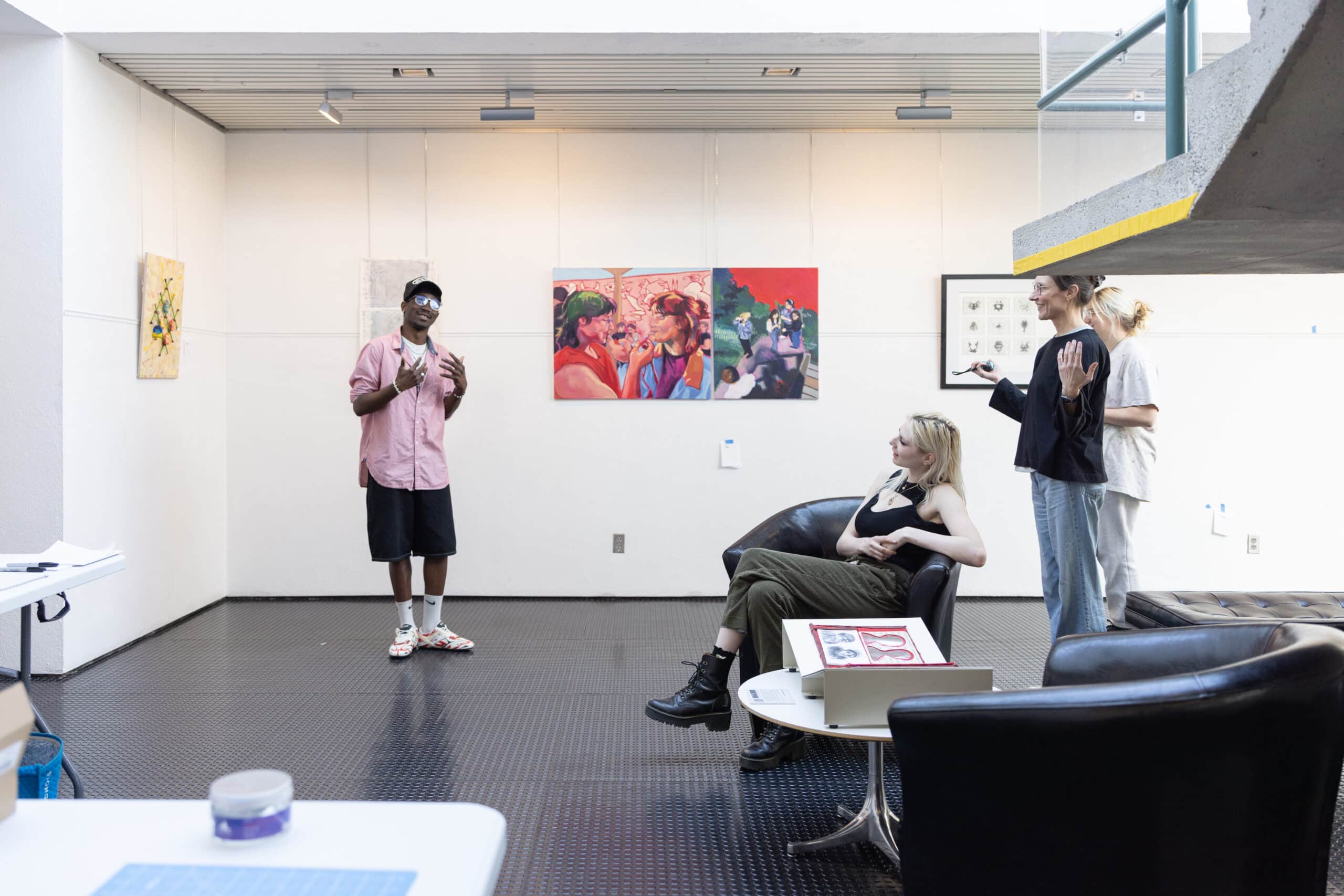
In the gallery space of the City of Vancouver Archives, students are installing their artworks, from photography, etchings, paintings and film, that take inspiration from the archival materials.
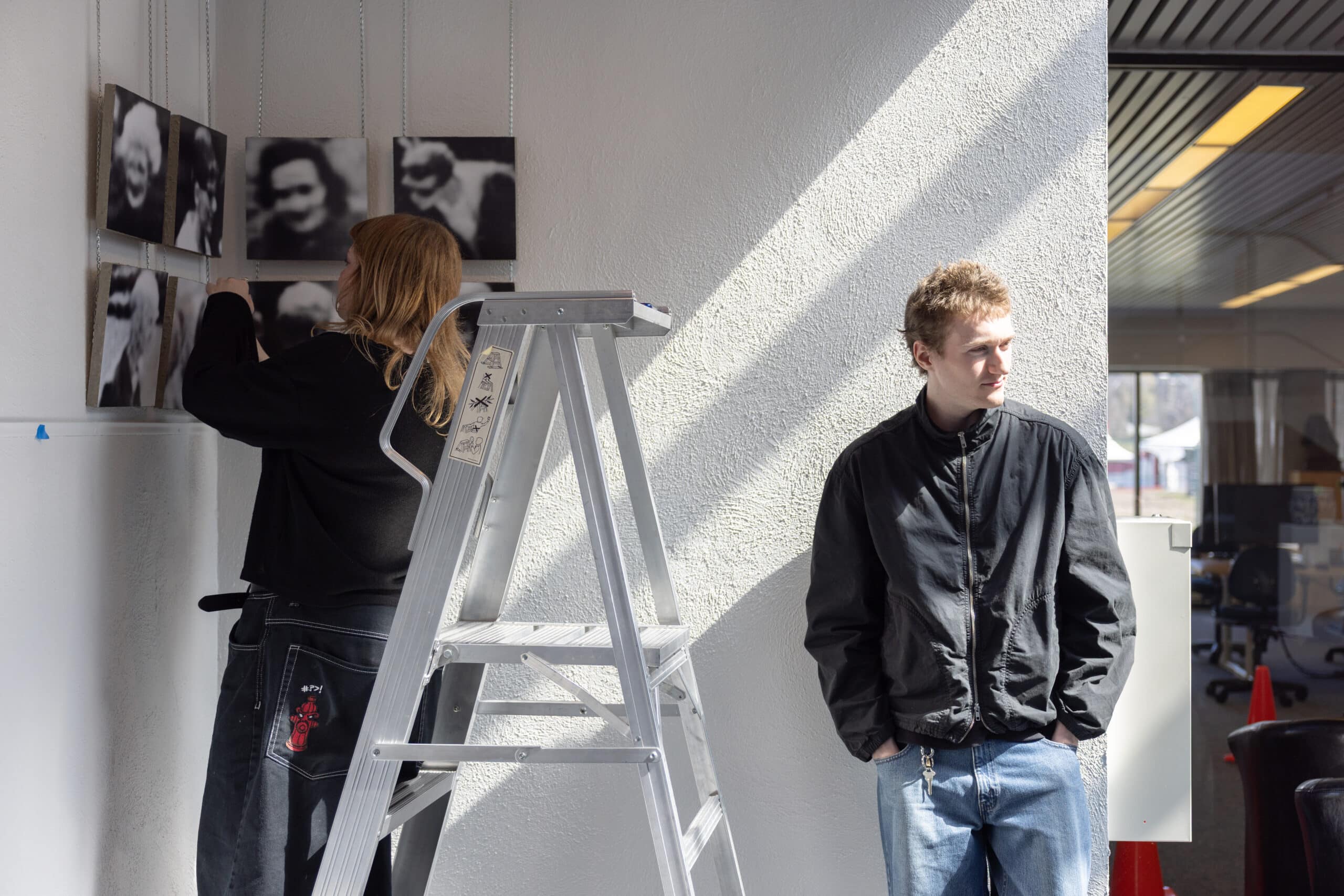
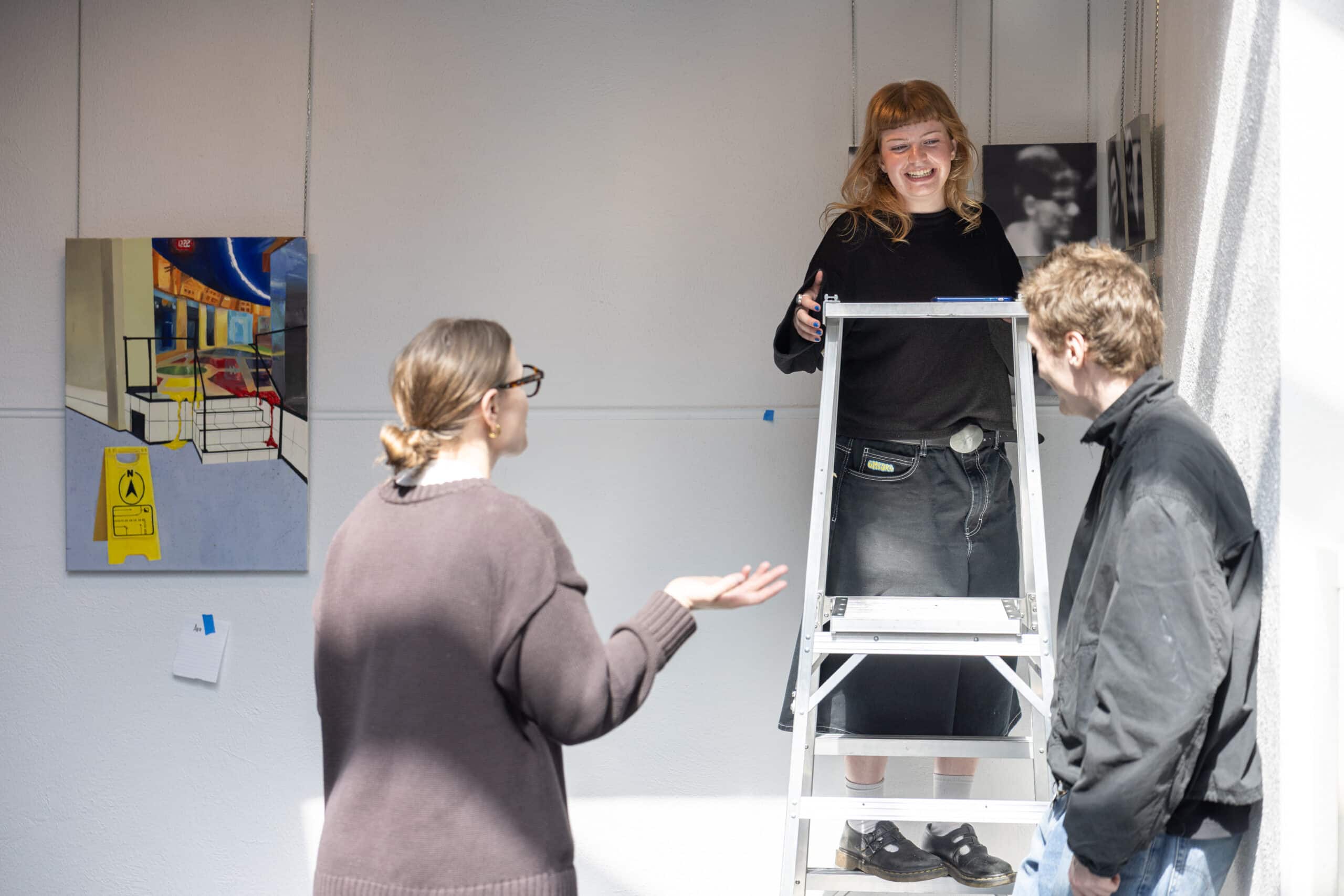
One work by Hannah Mitchell is a series of zoomed-in photos of spectators watching the last polar bears at Stanley Park’s former zoo, which anchors the corner wall. Nearby, Beth and Kristy Waller, ECU Archivist, wander through to troubleshoot any wobbly frames and measure the correct arrangement of a painting.
The Ethics of the Archives
Only a few months ago, the students were visiting the city archives for the first time and grappling with what it means to make art from the documented lives of others. Beth wanted students to keep these considerations in mind when gravitating towards different items.
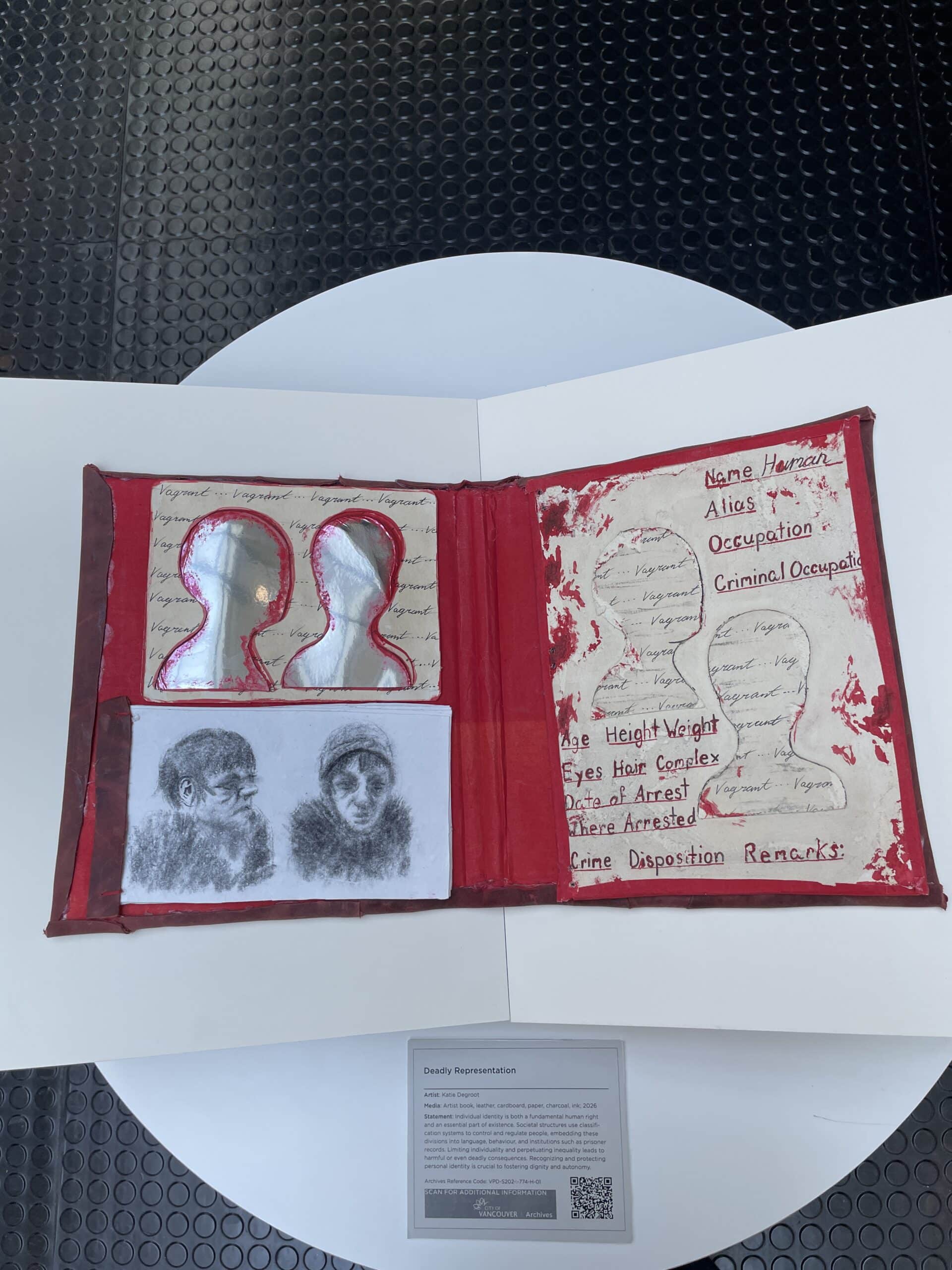
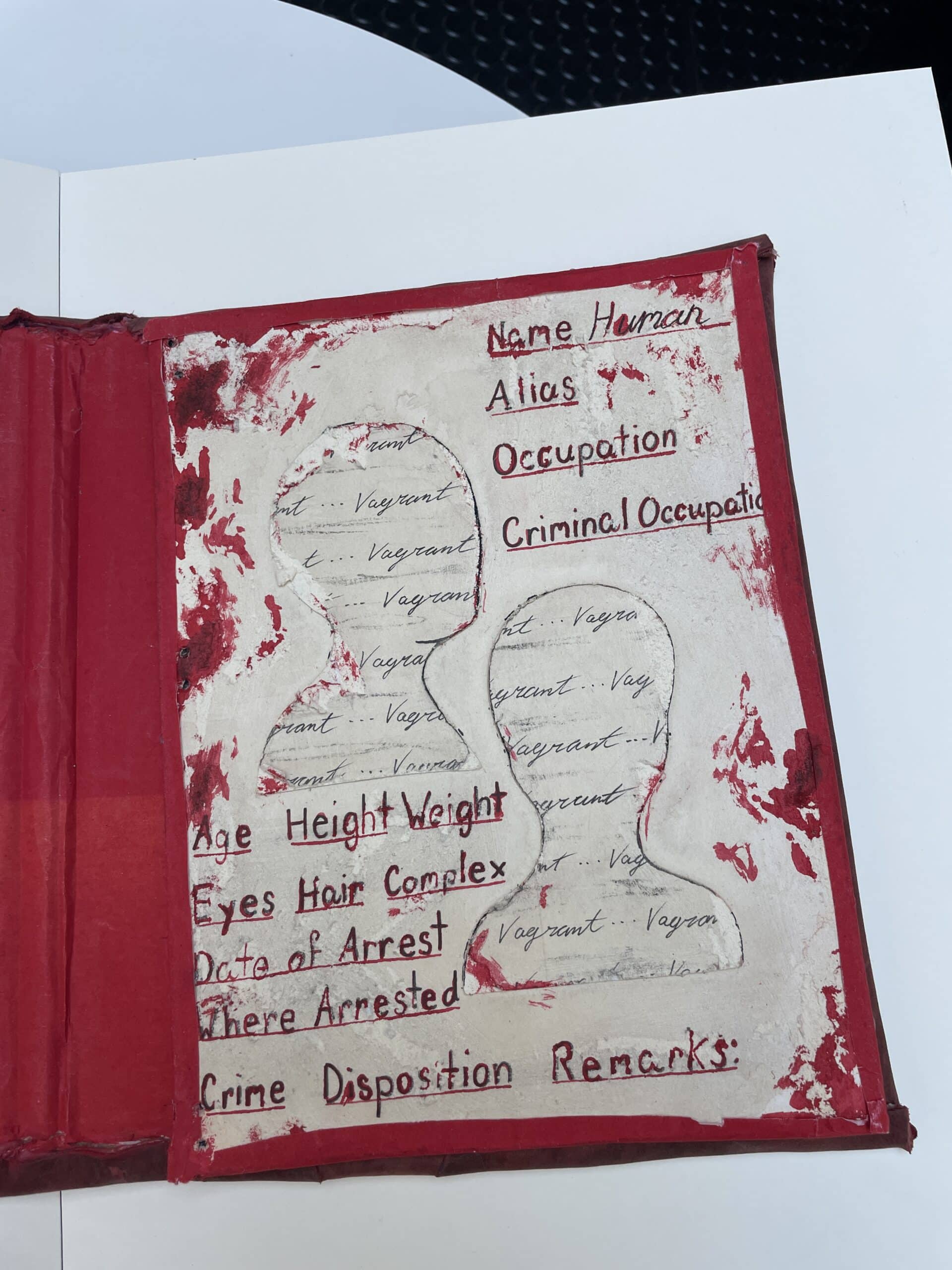
“The archives are held up as this kind of collective memory, but in reality, it’s made up of very specific, individual people’s memories,” said Beth. “One student, Katie, pulled out this huge prisoner record book from the early 1900s for their project. It had mugshots of actual people and listed their crimes. So, the question becomes, legally, you can use that book, but ethically, those are real people. Their lives were probably difficult. What’s your responsibility to them and their memory?”
Being careful with the ethics of the archive was an intentional part of the course, and why Beth recruited Kristy Waller, ECU Archivist, to help students understand the materials and problematize the narratives they were presented with.
“Instead of focusing on what the material is, you’re thinking about who made it. That shift is interesting because it brings in questions of creators, records, humanness and materiality in a different way,” said Kristy. “You’re literally touching things that someone else might have touched hundreds of years ago. I think that’s something students can connect to and get excited about.”
Reclaiming the Archives Through New Eyes
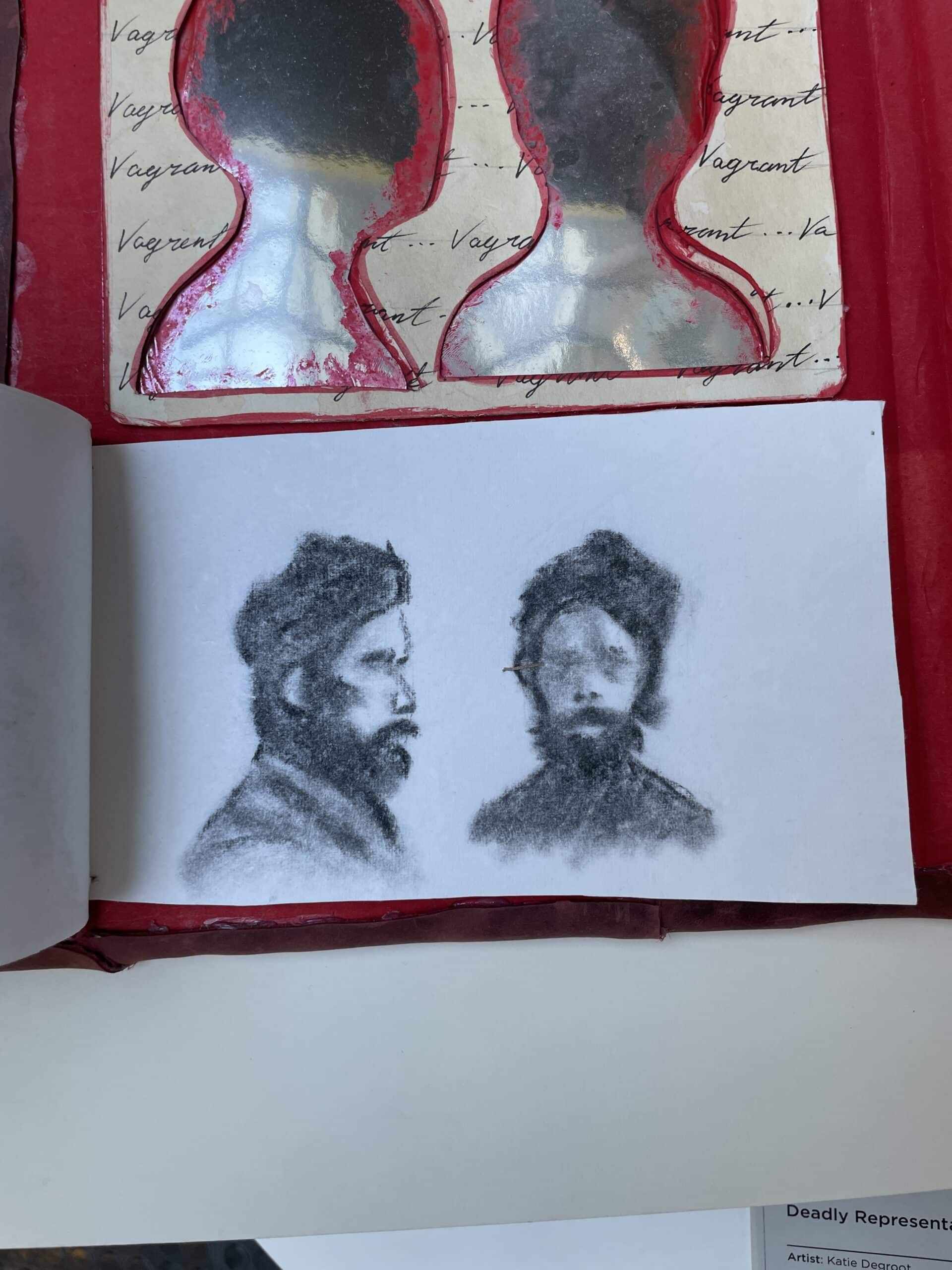
For Katie DeGroot, the prison record book was integral for her mixed-media work. The lessons she learned from Kristy and Beth were crucial, as she chose not to depict the prisoners’ faces overtly to preserve their dignity.
“I was in absolute awe of the book itself and took the time to go through every single page. It was the portraits that got me with their facial expressions. Some of them were so scared or cocky or out of it. It’s almost the more you handle these items, the more they lose their identities. I wanted to bring that back.”
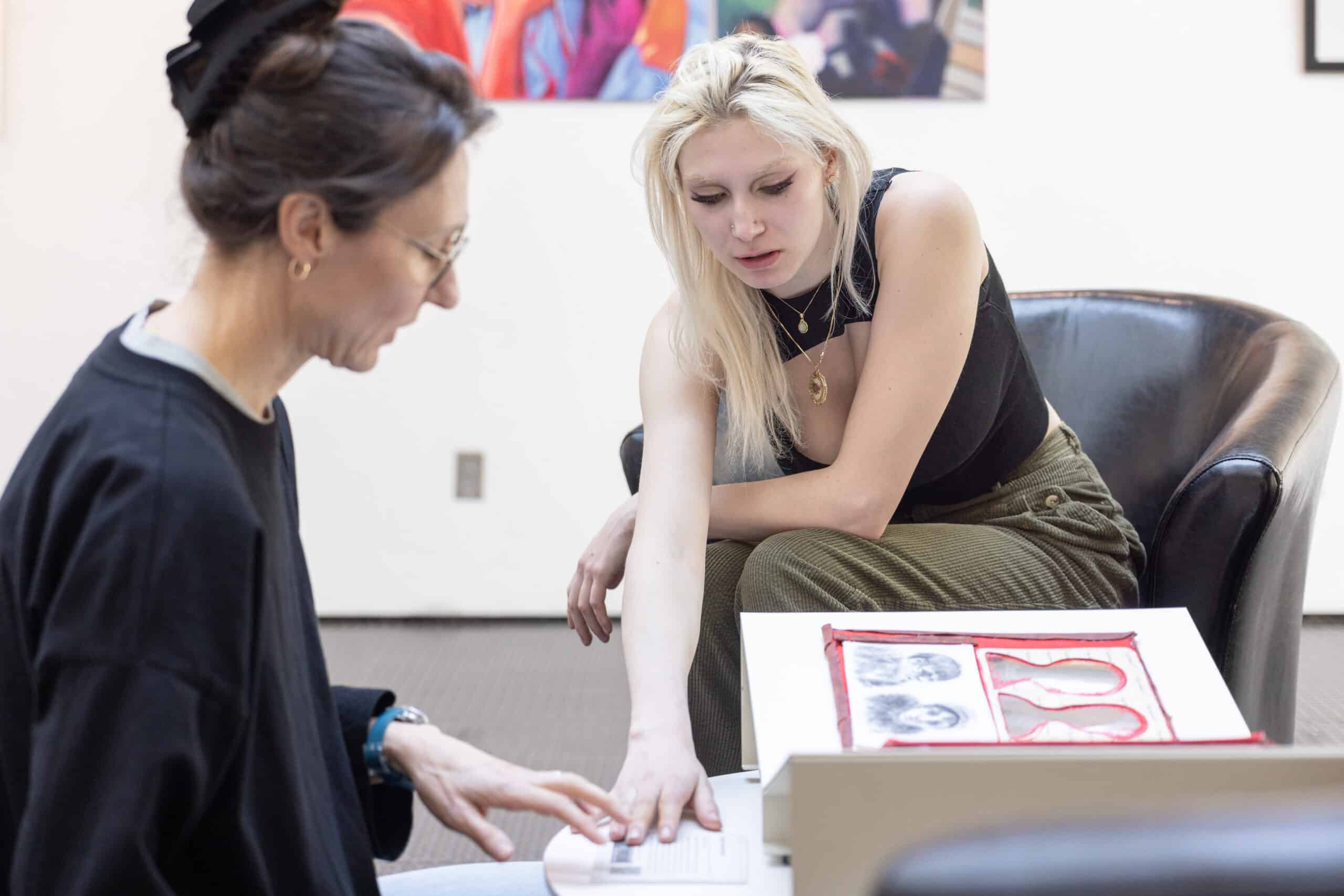
Her piece, Deadly Representations, takes the form of a book, featuring sketches of incarcerated people with blurred eyes and a page repeating the word “vagrant.” Part of Katie’s work was understanding the laws at the time, where vagrancy laws could criminalize anything from loitering to keeping a disorderly house.
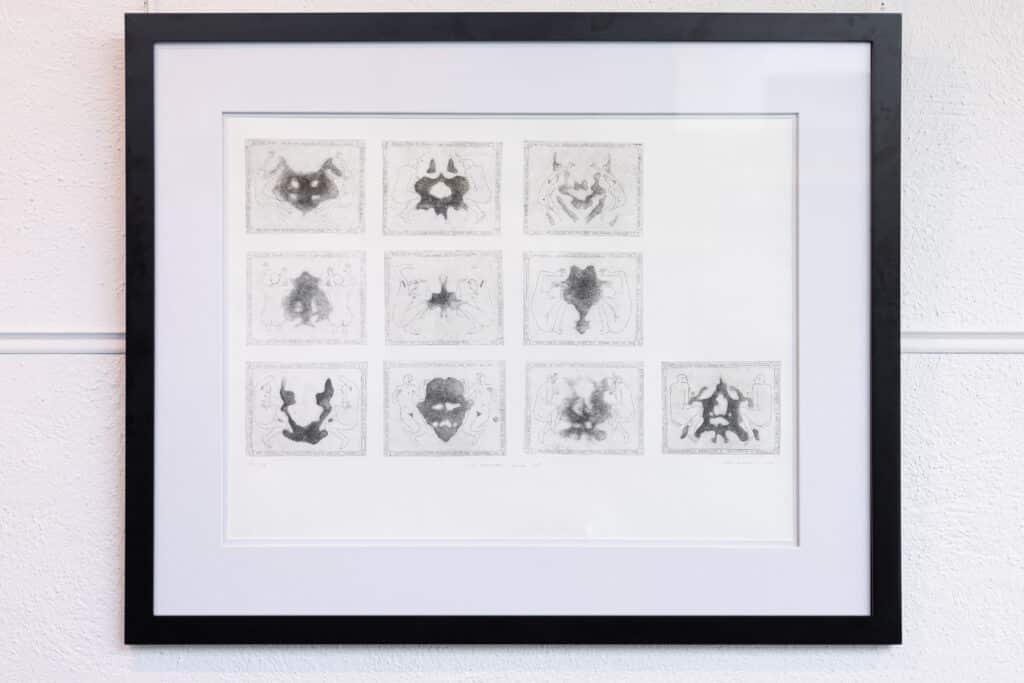
Interpreting records with archaic representations of gender, identity and health was something Ciara Kilpatrick wanted to play off of with her piece, ‘What Structures Define Us?’
“Looking at the Rorschach test interpretations raised questions about what kinds of structures define people, what was used then and what we’re using now. Maybe we don’t rely on Rorschach tests in the same way anymore, but we still have systems like the DSM (Diagnostic and Statistical Manual of Mental Disorders). So, people are still being classified, but the language and frameworks have changed.
Delving into Vancouver Public Health records, Ciara examined how psychiatry viewed and evaluated women who did not fit strict gender roles at the time.
“I wanted to work with etchings, so each card has these small figures that respond to the image, showing how the body is shaped or constrained by the interpretation. Around the edges, I included quotes pulled from a patient’s file, from the psychoanalyst and their assessment of her. And those descriptions start to reveal more about the structure doing the interpreting than about the patient herself.”
Lasting Memories of the Archives
Aside from deepening their research skills and learning how to handle historic materials, Beth hopes that students enjoyed the experience of dialoguing across generations through the show, which is now open to the public at the city’s archives until May 14.
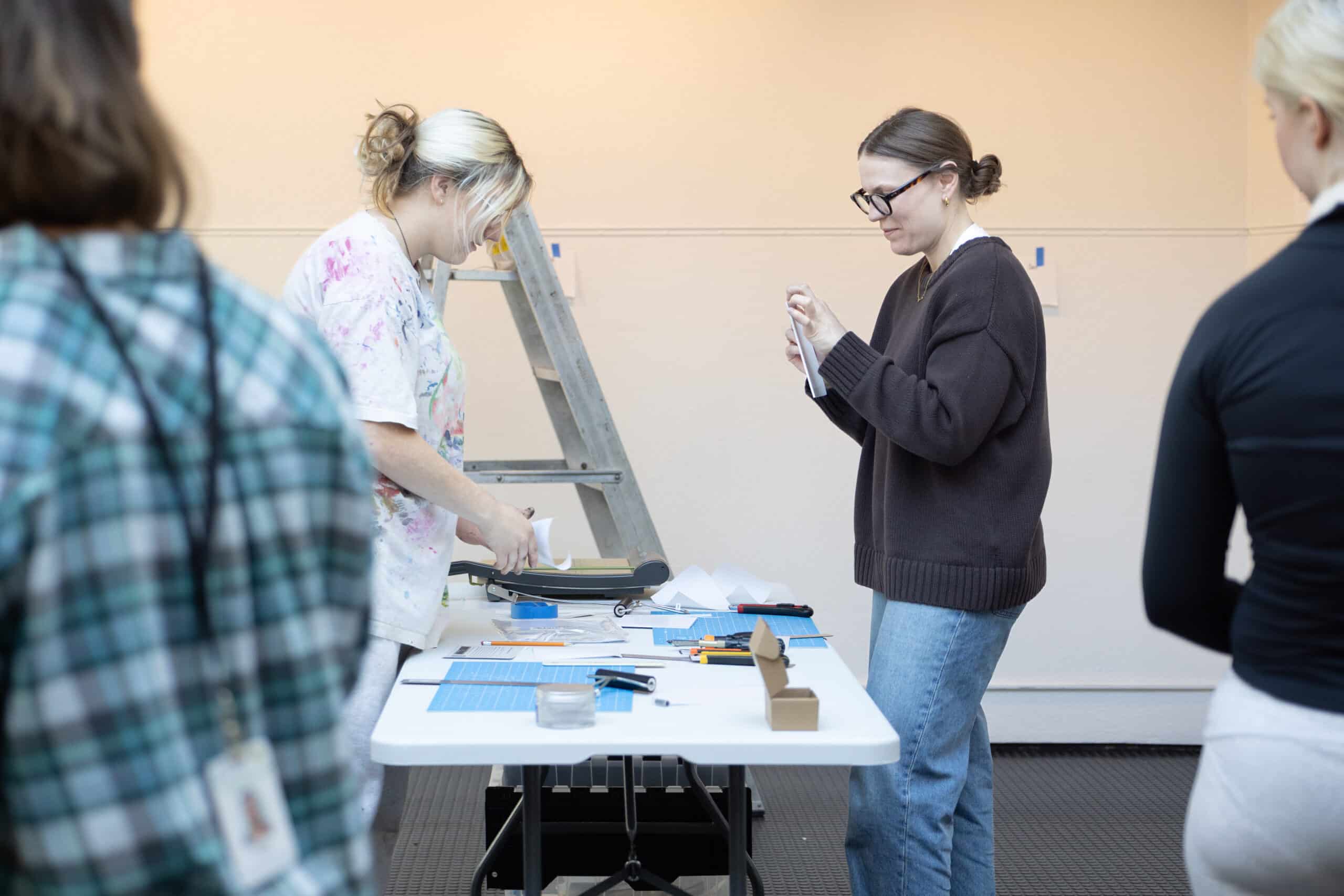
“Not many of our students have had the experience of installing work in a public space. Usually, it’s all contained on campus, so just working within a different set of constraints is a big part of it. There’s something important about making work with a specific site in mind, knowing where it’s going to end up, and having to respond to those limitations.” said Beth.
As students climb ladders to fit their photographs onto metal strings or troubleshoot lighting issues, Kristy and Beth survey the foyer with pride in their efforts to turn something far removed and dusty into something tangible and striking.
“One student said something I loved. We were in the archive looking through materials, and they said it reminded them that people, even in history, have always just been people. And there’s something in that: it’s humanizing the past.”
You can check out the student exhibition “Vancouver Stories” at the City of Vancouver Archives until May 14. The exhibition features work by Katie Degroot, Emma Siebold, Chanel Anderson, Claire Hsu, Daniel Dufton Leyland, Devin Pigeau, Karman Wong, Beth Matthews, Lily Arndt, Ciara Kilpatrick, Jude Zuniga Rodgers, Ami Nghiem, Hana Vie Mitchell, Yining Luo, Leann Juatco, Oluwadamilola (Dami) Abatan, Will Bryant, Alexis Lim, Ava Parker, Malaila Kulilishika and Maraira Kulilishika.