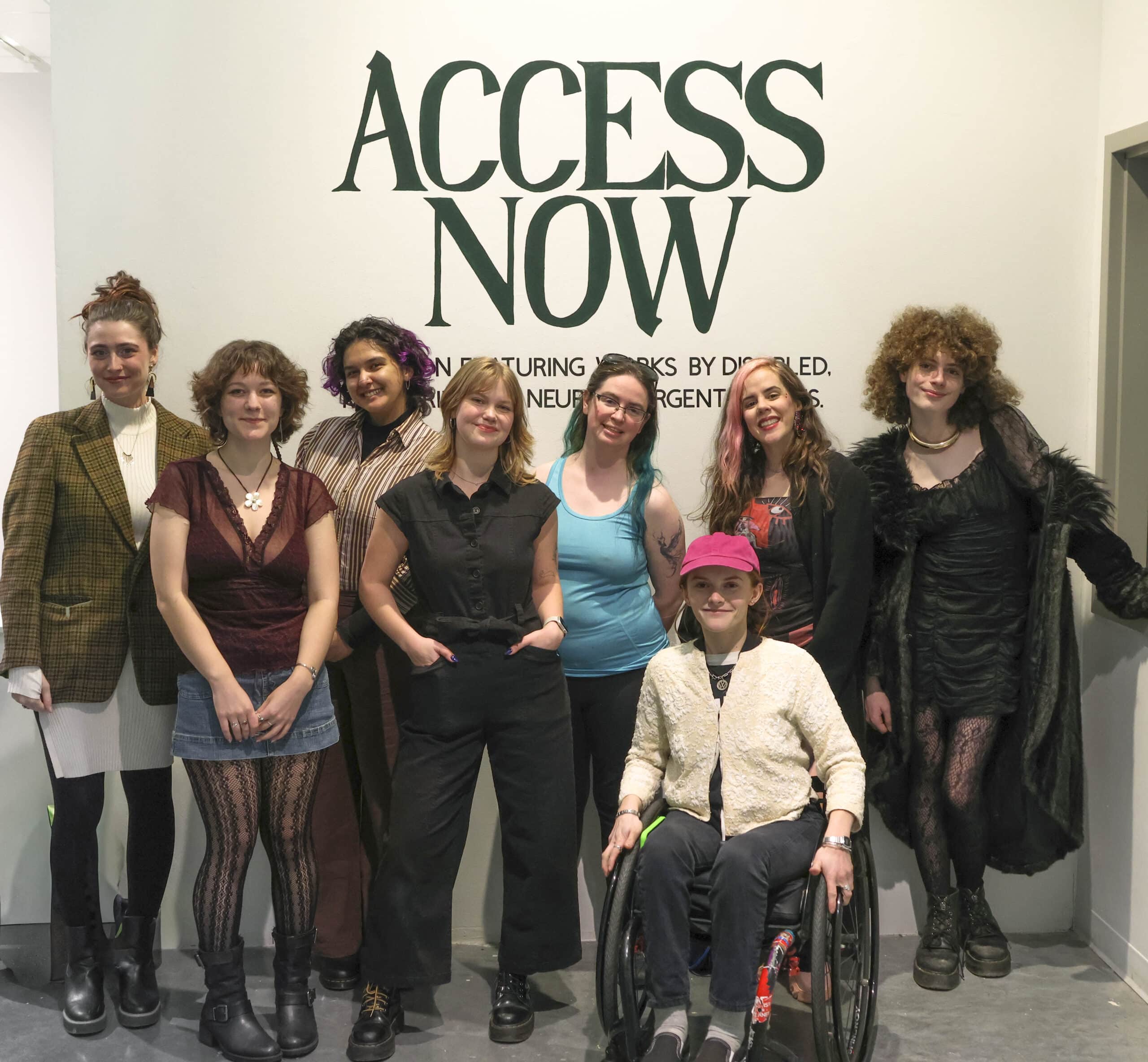
In February, a student exhibition titled ACCESS NOW showcased the work of self-identified disabled, Mad, Crip and neurodivergent artists at ECU.
For Hailey Wispinski, assembling an exhibition with co-curator Shawna Ariel was an opportunity to develop curation skills and a chance to bring visibility to a community within Emily Carr University of Art + Design (ECU).
As a student member of the university-wide Accessibility Committee, Hailey worked alongside fellow committee members to explore how the exhibition could further the committee’s mandate of advocacy, representation and inclusive design. She felt the experiences of people with disabilities were rarely addressed in public exhibitions and events throughout arts communities.
The exhibition emerged through conversations within the Accessibility Committee and was developed as one of its initiatives to spotlight universal design, accessibility and disabled identities.
“It was important to me that no one was turned away from the project. If someone showed interest in being part of the show, we made sure they had at least one piece included,” said Hailey.
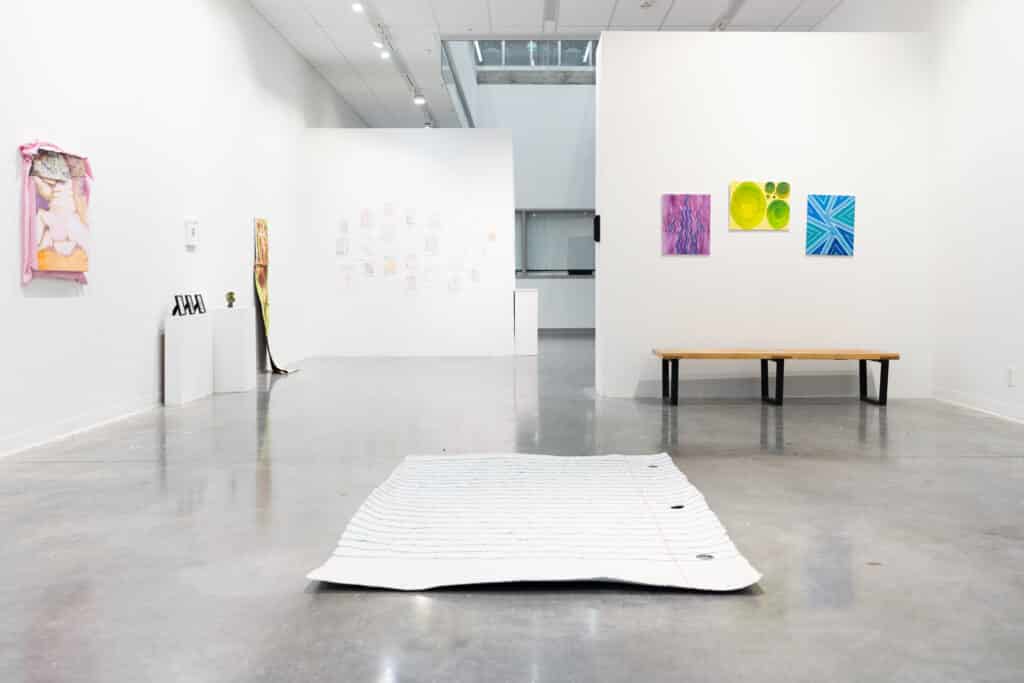
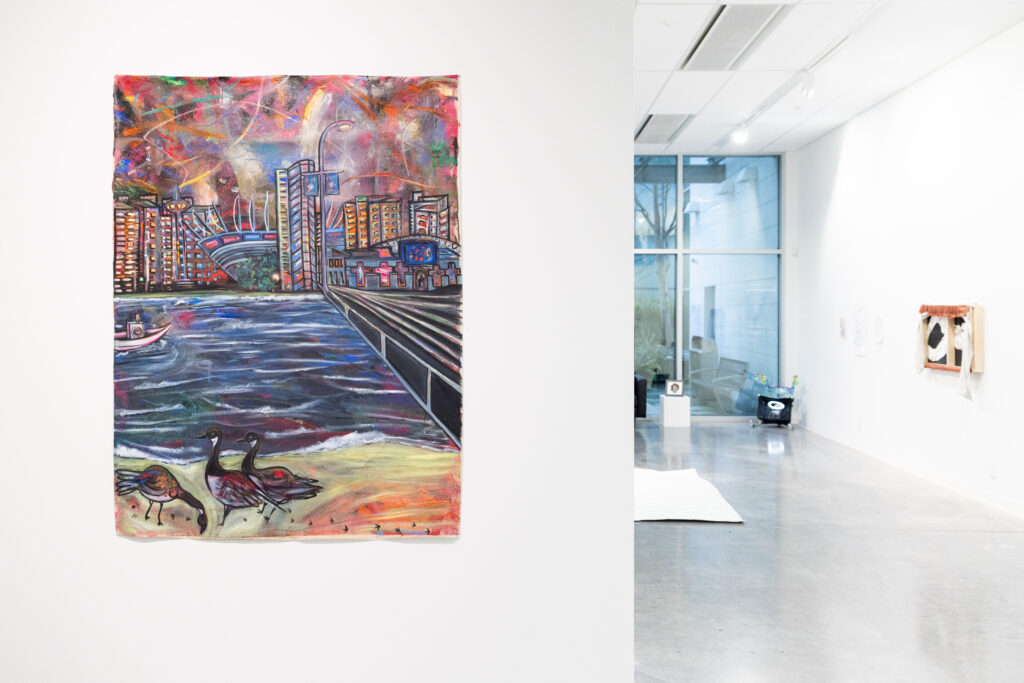
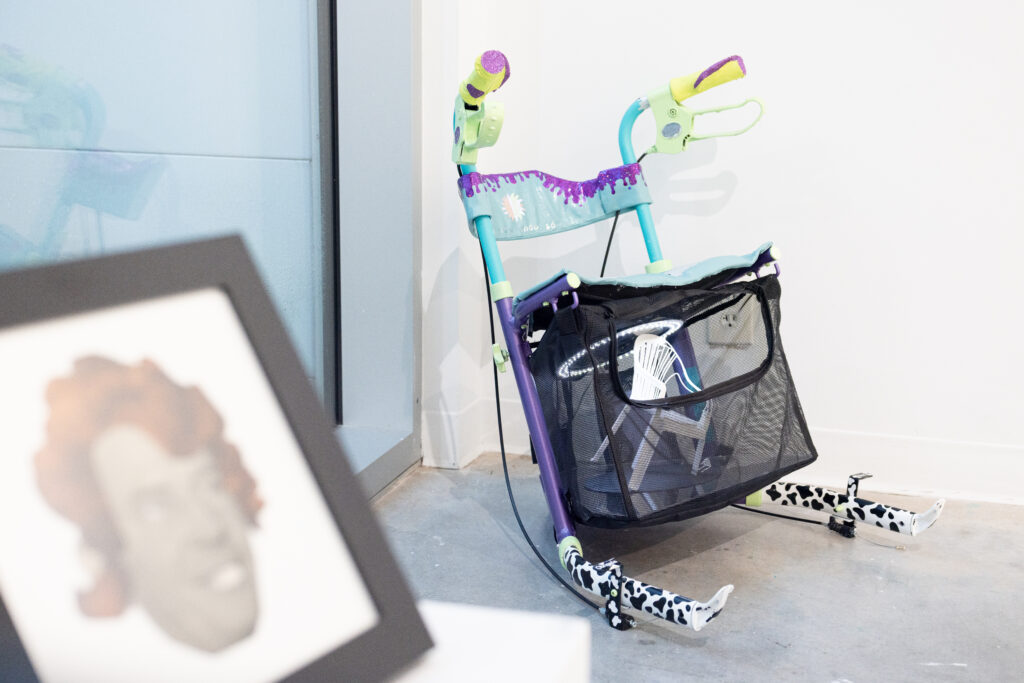
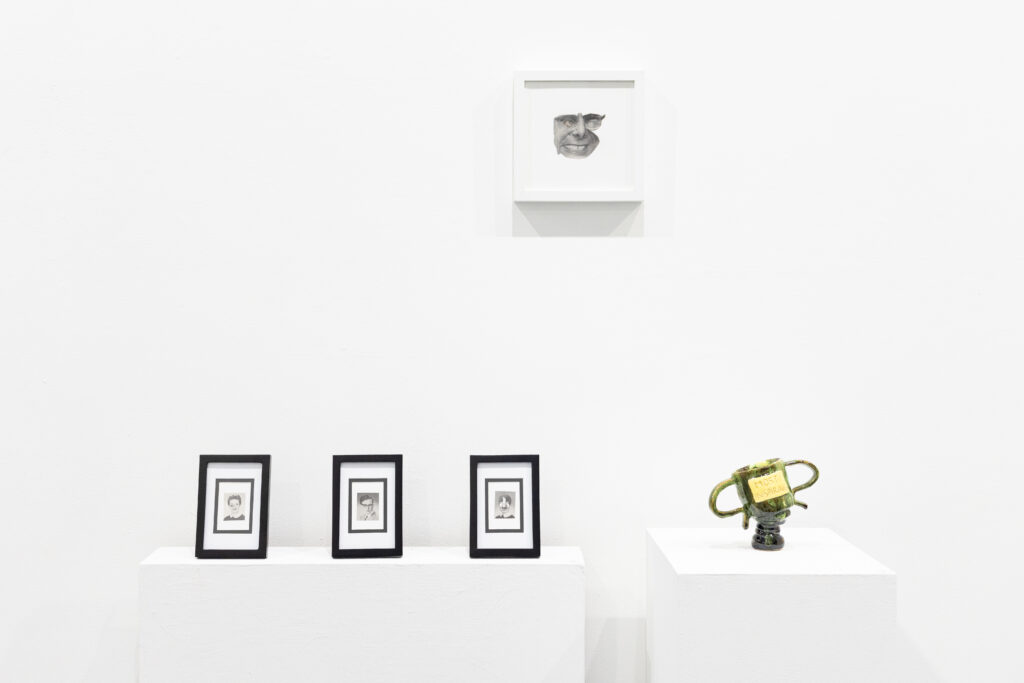
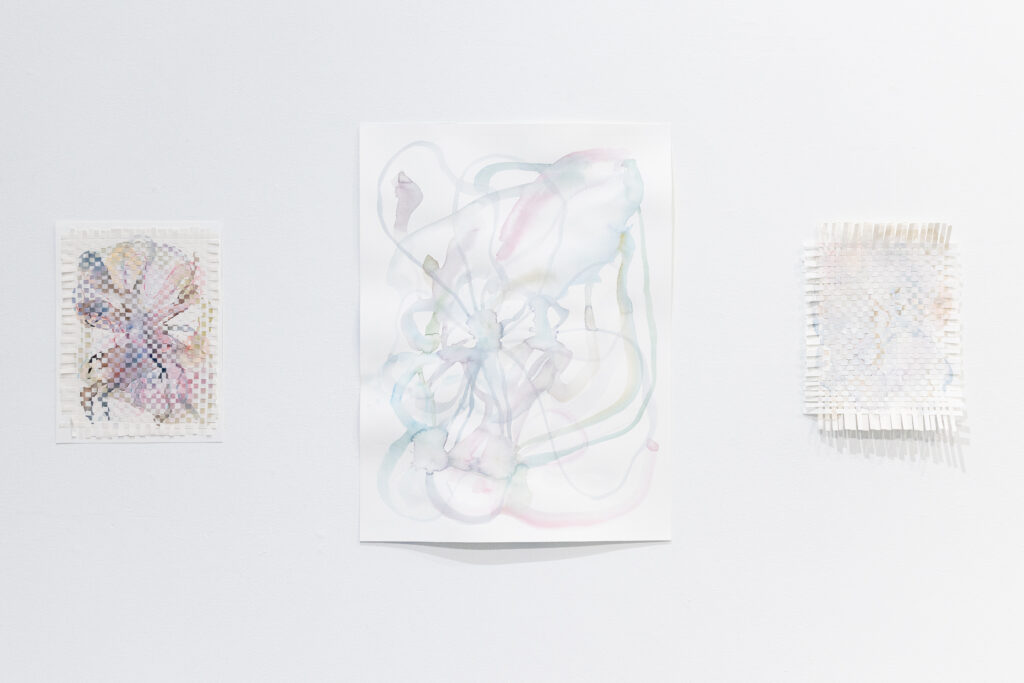
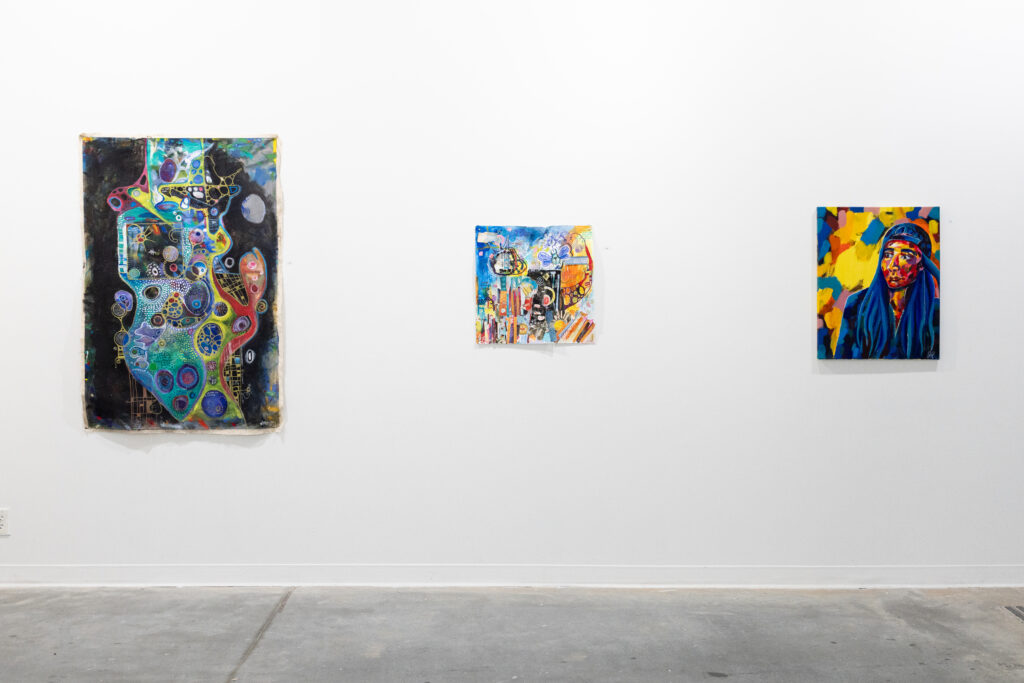
Through the exhibition, artists explored what they felt disability and access meant to them. The artwork ranged from Hailey’s vibrant self-portraits to a giant sculpture in the centre of the exhibition — a lined sheet from a notepad entitled “The Essay Experience” by Betinha.
Confronting a world that is often inaccessible and unwelcoming was something Hailey wanted to problematize through the show.
“The message has often been ‘you’re not supposed to be here.’ The world isn’t built for you,” said Hailey. “What I wanted to do was challenge that and create a platform for representation and say, ‘Hey, we’re here.’ We’re actually a much bigger part of the population than people might assume. If we can create a system that actively contributes to the conversation, it opens the door for others. It gives people space to come forward, if they want to.”
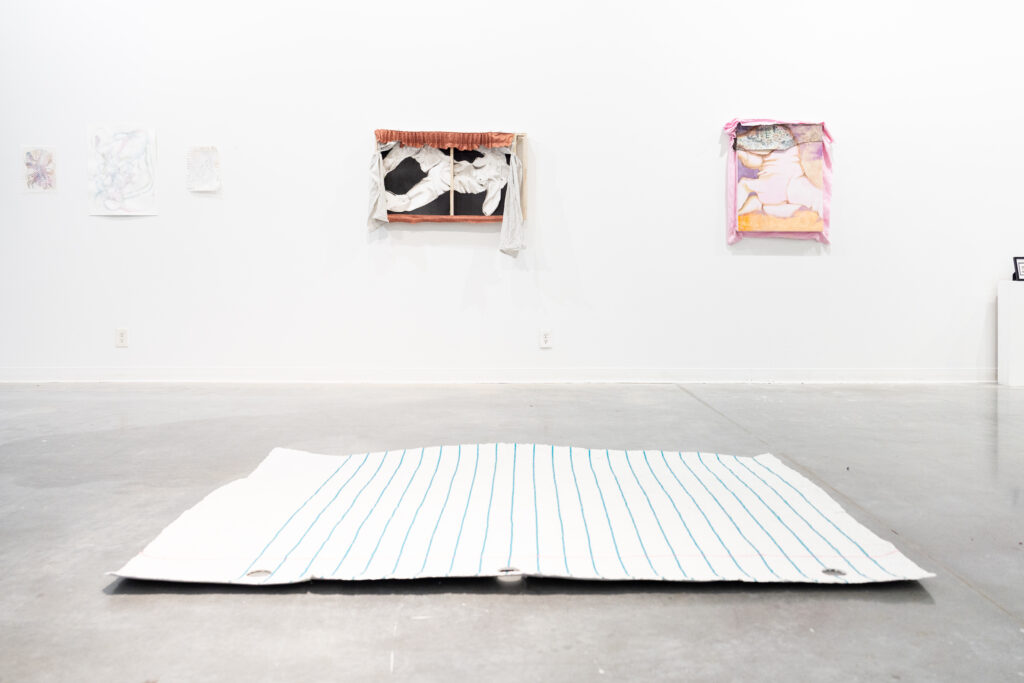
Sue Dorey, the former chair of the Accessibility Committee and former Program Manager, Violence Reduction + Incident Response, says ACCESS NOW allowed people to see their lived experiences reflected in the artwork, fulfilling a key goal of the Accessibility Committee: advocating for marginalized groups on campus.
“This is what accessibility, acceptance and inclusion mean in this community,” said Sue. “The piece called The Essay Experience definitely caught a lot of attention. I think it’s because we all have an immediate reaction to being assigned something, especially when you’re faced with that blank sheet of paper. It can feel overwhelming right away. It allowed us to think about how, in education spheres, we hand out daunting assignments without thinking of the person receiving them.”
While ACCESS NOW was led by students, it aligns closely with the ongoing work of ECU’s Accessibility Committee, comprised of members from across departments, who are focused on advancing inclusive practices, improving policy and creating more accessible learning and working environments across campus.
Sue and Hailey are hopeful that students with disabilities feel more empowered to share their feedback to expand accessibility at ECU. Hailey hopes that the show will open new avenues for accessibility to be more deeply embedded across ECU’s curriculum and beyond.
“Disabled identities are part of our culture,” said Hailey. “Having more standardized courses with topics inclusive to disabled identities across different degree programs, whether in theory, universal design or related areas, could allow these ideas to be integrated in ways that make sense for each discipline.”
For students with disabilities looking for individualized support, academic accommodations or assistive technology to improve their learning experience, resources are available through Student Services. For staff or faculty workplace wellness and employee accessibility support, please reach out to the Human Resources Office.