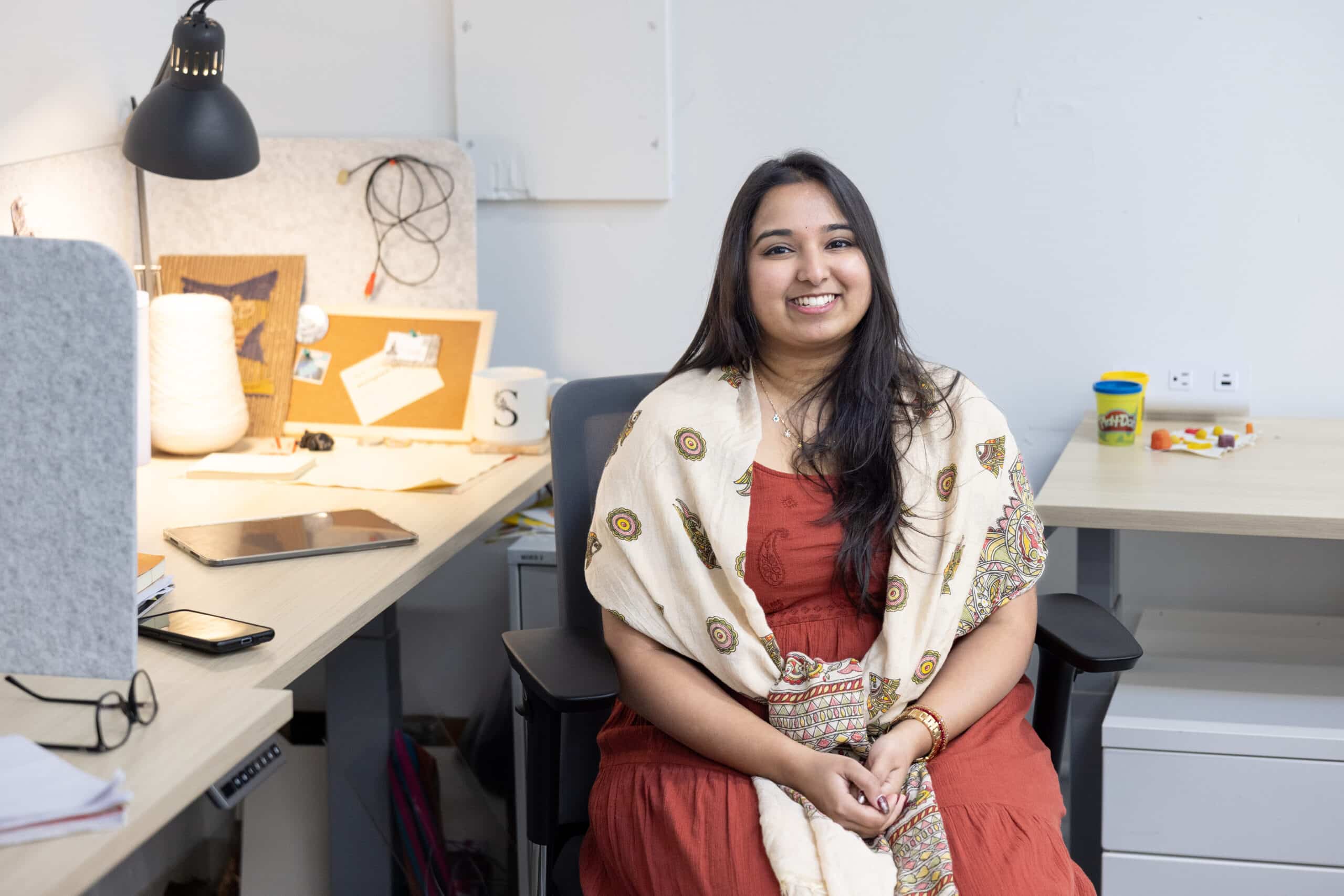
Four graduate students at Emily Carr University each received $2,000 to support research during their degree studies.
The 2025 Future Creative Catalysts Graduate Research Fellowships at Emily Carr University of Art + Design (ECU) have been awarded to graduate students Sichen Grace Chen (MFA 2026), Sreya Gopisetty (MDes 2026), Trinidad Landajo (MFA 2026) and Zubda Tahir (MDes 2026).
Each student received $2,000 to support their thesis research.
“Funding like this is important for emerging artists and designers because it creates space for experimentation, failure, and learning, which are all essential parts of a sustainable practice, even if they don’t always make for flashy outcomes,” says Sreya.
“For many of us, especially those working in socially engaged or research-based fields, funding can be the difference between continuing a practice and putting it on pause. Grants like the Future Creative Catalyst Fellowship don’t just support individual projects; they show that exploratory, values-driven work matters.”
Sreya works with participatory and co-design methods to explore how objects, systems and emerging technologies can hold emotional, cultural and relational meaning. With applications in healthcare and assistive contexts, Sreya uses hands-on processes to surface embodied knowledge, memory and lived experience.
“This fellowship gives me the resources and flexibility to slow down and work deeply, which is essential for research-driven, care-centred practices like mine. This type of institutional support also allows me to take creative risks and pursue projects that are meaningful, even if they’re not the most straightforward or commercially obvious.”
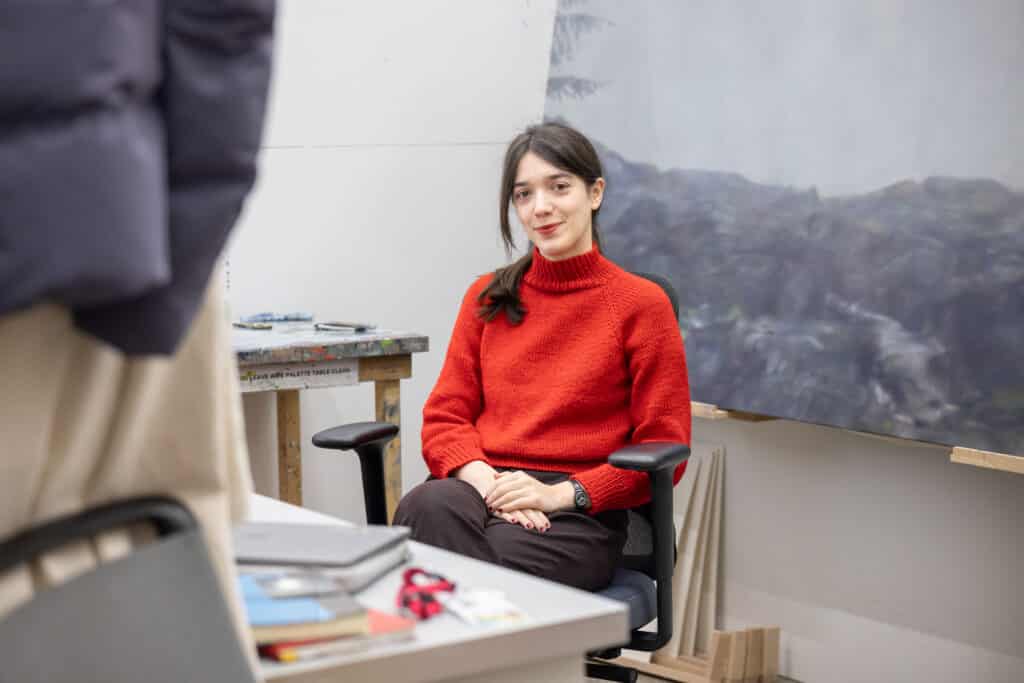
The Future Creative Catalysts Graduate Research Fellowships aim to foster innovative art and design research at ECU. The Jake Kerr Faculty of Graduate Studies established the fellowships to provide graduate students with opportunities for advancing their research and professional practice through projects and/or research-creation.
“Our graduate programs offer world-class supports for artists and designers working to generate new knowledge and understanding addressing today’s most complex challenges, and these fellowships are a tool for helping to develop and amplify that work,” says Justin Langlois, Associate Vice President of Research + Dean of the Faculty of Graduate Studies at ECU.
“Each of our recipients is engaging in research and creative practice at the highest level amongst our graduate programs, and through these fellowships, their work will support healthier communities and ecologies, ambitious new forms of creative inquiry, and culturally resilient futures. I am thrilled we’re able to offer this fellowship as an additional support for this vital work.”
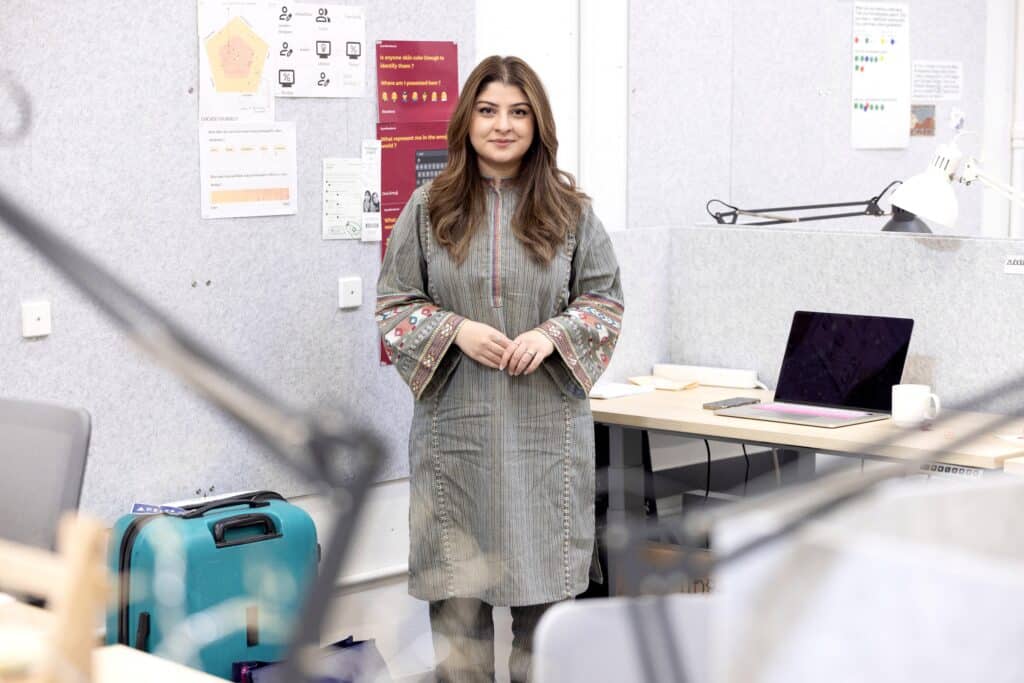
Fellowship applications are adjudicated based on alignment with a research focus connected to one or more of the themes of ECU’s Strategic Research Plan including: Indigenous Research; Environmental Sustainability, Ecological Justice and Climate Action; Social Justice, Health and Community Wellbeing; Experimental Forms of Practice-Based Research; Creative Engagement and Critical Perspectives in Emergent Technologies; Land and Place-Based Research; and Critical Pedagogical Methodologies. “
“This fellowship removes a lot of financial barriers, as well as providing a vote of confidence that other people see merit in my vision,” says Sichen Grace, who goes by “SG.”
SG’s thesis proposes water as a connective tissue linking ecologies, living beings and the human-made environment. Through fieldwork in aquatic spaces throughout the province and in collaboration with scientists, Indigenous knowledge keepers and artists, SG’s research aims in part to envision new possibilities for ecologically and ethically minded creative practices.
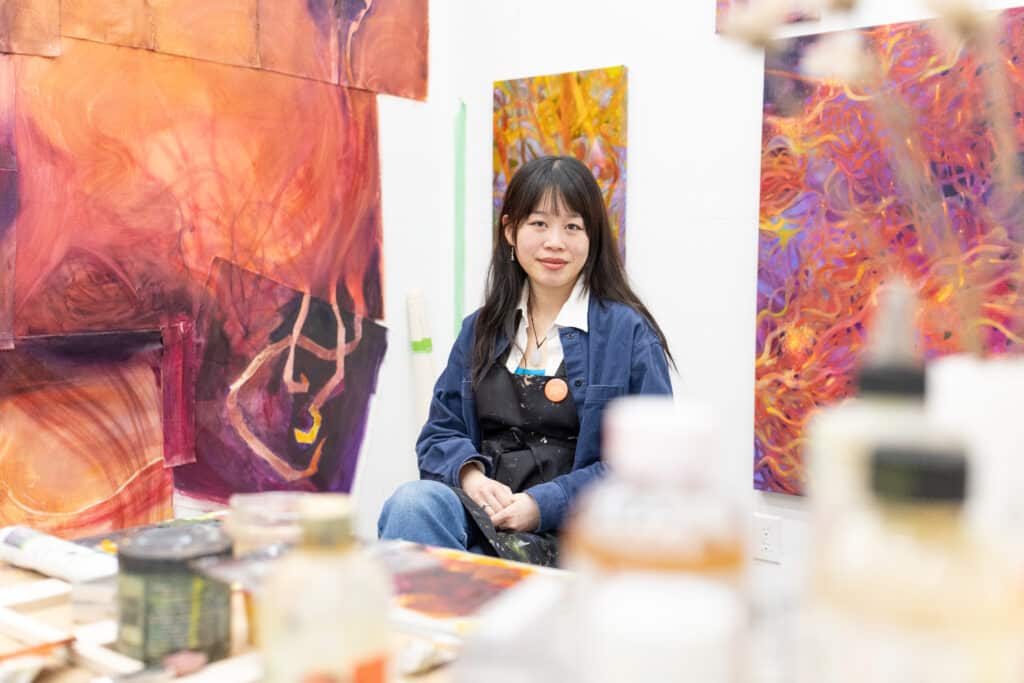
“The fellowship also helps support my exploration of how I can transform my painting practice to be more sustainable, community-driven and critically engaged through things like field research in the Gulf Islands and decolonial learning.”
“These kinds of grants help build confidence and visibility,” Sreya adds. “Being trusted with resources early on encourages emerging practitioners to see themselves as contributors to larger conversations, not just participants trying to find their footing. That kind of support has ripple effects far beyond a single project.”
More about Research at ECU
As one of the most research-intensive art and design universities in Canada, ECU connects art, media, and design practices with some of the most pressing questions of our time. At ECU, we believe our research can help to transform the world, build healthier and more vibrant futures, and cultivate cultural resilience throughout our local and global communities and industry partners.
Visit our website to learn more.
More About the Master of Design Program at ECU
We seek designers who aspire to create experiences and transformations locally and globally. Root yourself in our campus community while building connections with industry. Our two-year Master of Design degree program is built on critical, practice-based creative research. Faculty, staff and peers will be with you every step of the way, mentoring, challenging and supporting you.
Visit our website to learn more.
More about the Master of Fine Arts program at ECU
Enhance your artistic practice and critical inquiry with our two-year Master of Fine Arts programs, featuring innovative and flexible pathways. Immerse yourself in contemporary art production through an interdisciplinary curriculum that bridges methods and ideas in a supportive and challenging environment. Choose between a full-residency option for year-round, on-campus engagement or our two low-residency programs combining online learning with on-campus intensives.
Visit our website to learn more.
Want more stories like this one delivered twice a month to your inbox?
Subscribe to our FREE Emix newsletter today!