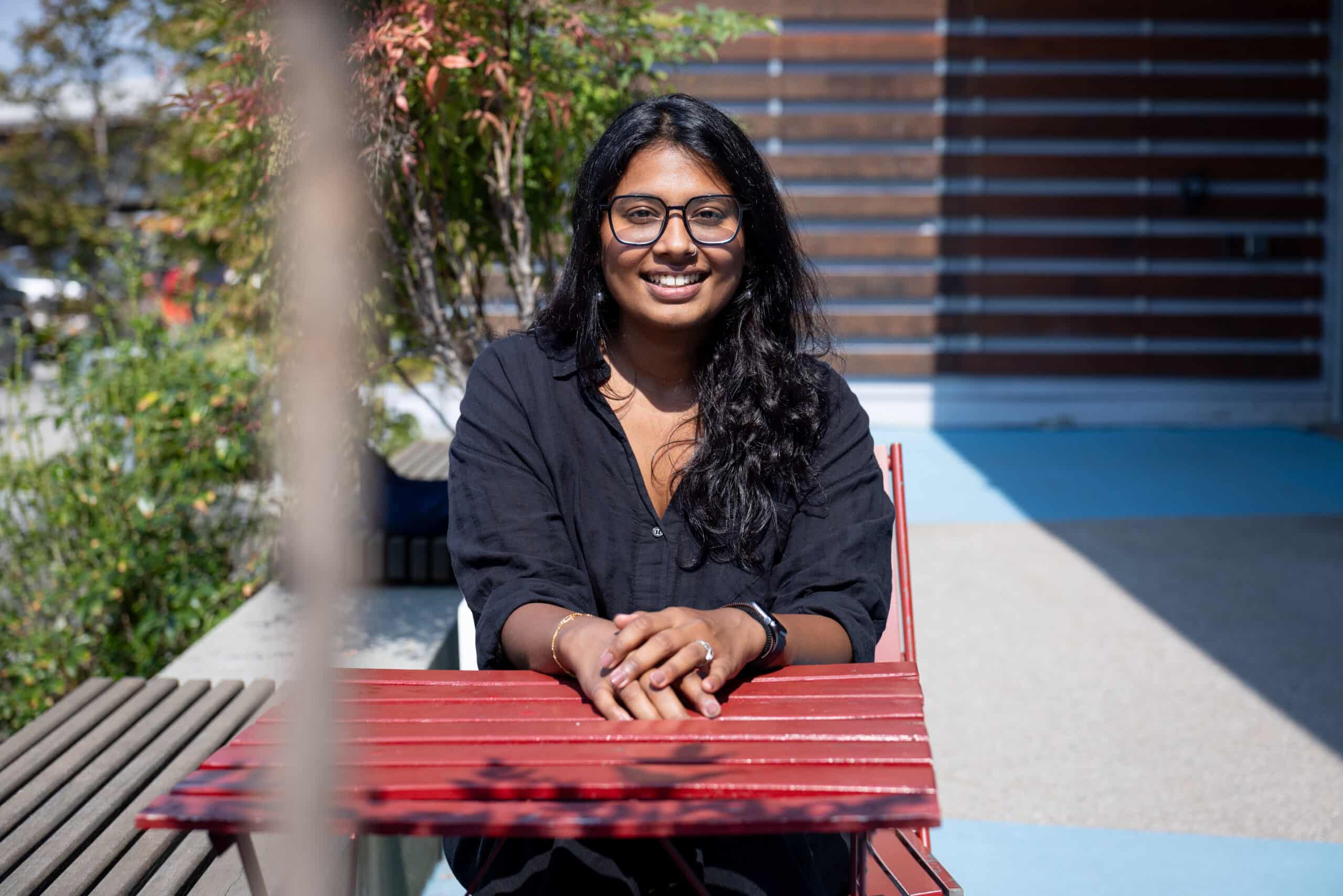
A research assistantship on the lab’s project with BC Cancer sparked a shift in focus for the Master of Design student to study an under-researched demographic of cancer survivors.
A thesis project by a Master of Design student at Emily Carr University of Art + Design (ECU) addresses crucial gaps in post-cancer recovery for young people.
Now entering her second year of studies in the MDes Interaction pathway, Srividya Suryanarayan says the ongoing project was directly inspired by her work as a research assistant (RA) for the Health Design Lab’s partnership with BC Cancer.
“My research focuses on how co-design interventions can help young adults in Vancouver re-enter the workforce after cancer treatment,” Srividya says, noting that working with human participants requires a deep network of community and professional connections.
“A lot of the connections I made for this project outside the university are people I met through my RAship at the HDL. The thesis is inspired by the conversations I’ve had through the work we have been doing. It has been a consequence of working with HDL”
The Health Design Lab (HDL) is one of Canada’s only research centres dedicated to using participatory design methods to address complex health challenges. Led by HDL director Caylee Raber, the team regularly includes ECU students as paid RAs or through course-based work. Srividya’s thesis work is co-supervised by Caylee and Jon Hannan, associate dean of the MDes program and associate professor of Communication Design.
The HDL works with partners throughout the healthcare ecosystem including Providence Health Care, Alzheimer Society BC and BC Children’s Hospital, as well as numerous grassroots and community organizations.
MAKING THE LEAP
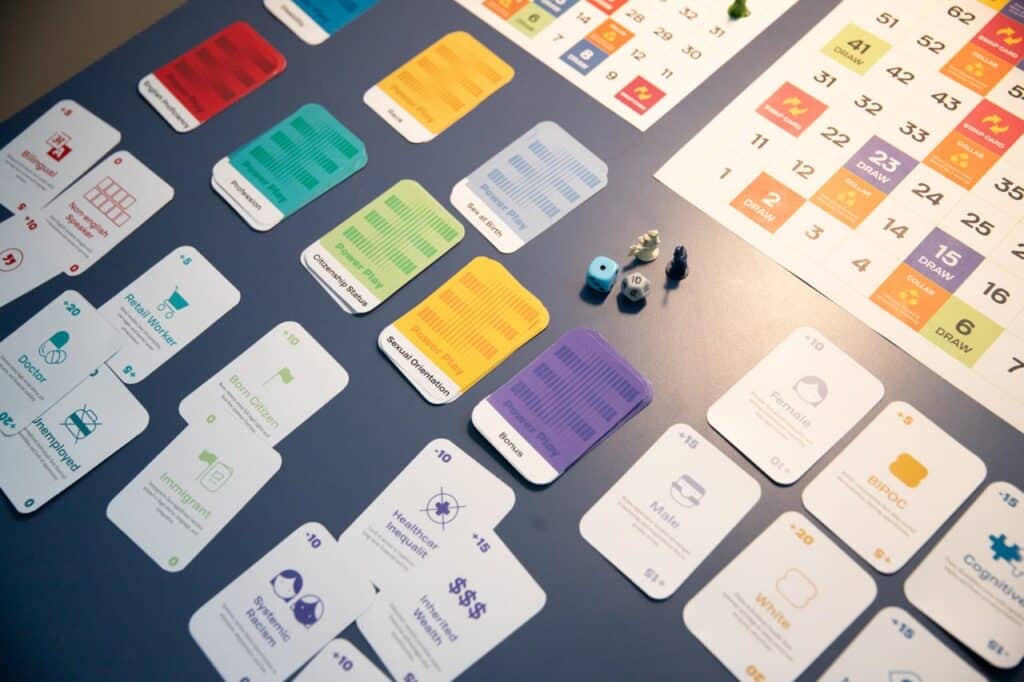
From a student perspective, Caylee says the HDL helps provide a crucial bridge between classrooms and applied practice. Participatory design is difficult to learn in theory, she says. To build skill as a community facilitator and co-designer, students must engage with people from outside their peer group whose expertise comes from disparate experiences.
Meanwhile, internships with external companies can be valuable, but employers often lack a strong understanding of what students are learning in school. The HDL offers applied learning opportunities from mentors with a keen understanding of both professional and curricular settings.
“Most of our projects introduce them to skills and ways of working they’re not familiar with through curriculum. It’s hard to make the leap from the classroom into the real world. The RA positions really support them do so,” Caylee says.
“The BC cancer project is a great example: while students are drawing on skills they’ve learned in curriculum, they’re also being asked to do many new things, and broadening their skills and experience.”
SUPPORTING SURVIVORSHIP
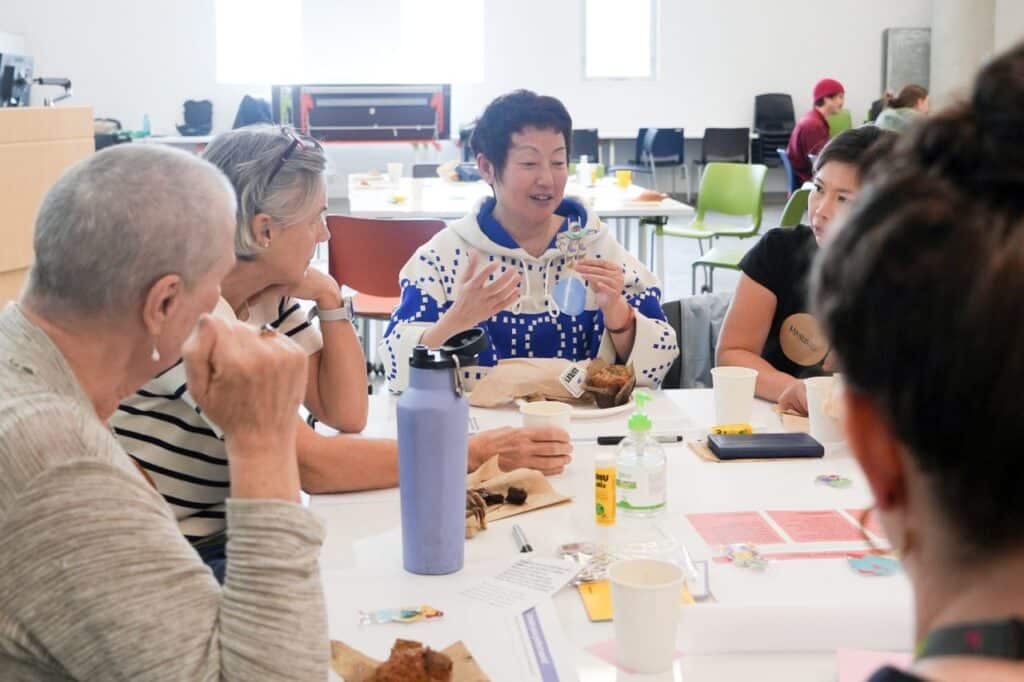
Srividya arrived at ECU thinking she would focus on workforce re-entry for women who have taken time off for caregiving. While working on HDL’s Expanding Awareness and Access to Supportive Care Services project, she realized the concept of cancer recovery could mean very different things for different people.
“When we talk about cancer patients, we generally think of older demographics. But many cancer survivors are still in their 20s, and they can feel especially isolated because they can neither find meaningful peer support nor do support groups typically focus on what recovery means for people their age,” Srividya says.
“Cancer recovery for young adults can mean 50 years of survivorship. They have to basically figure out their whole lives — jobs, school, childcare, all kinds of challenges that older survivors may not face to the same degree. And right now, there isn’t a lot of research focusing on that experience.”
A MORE COMPLETE EXPERIENCE
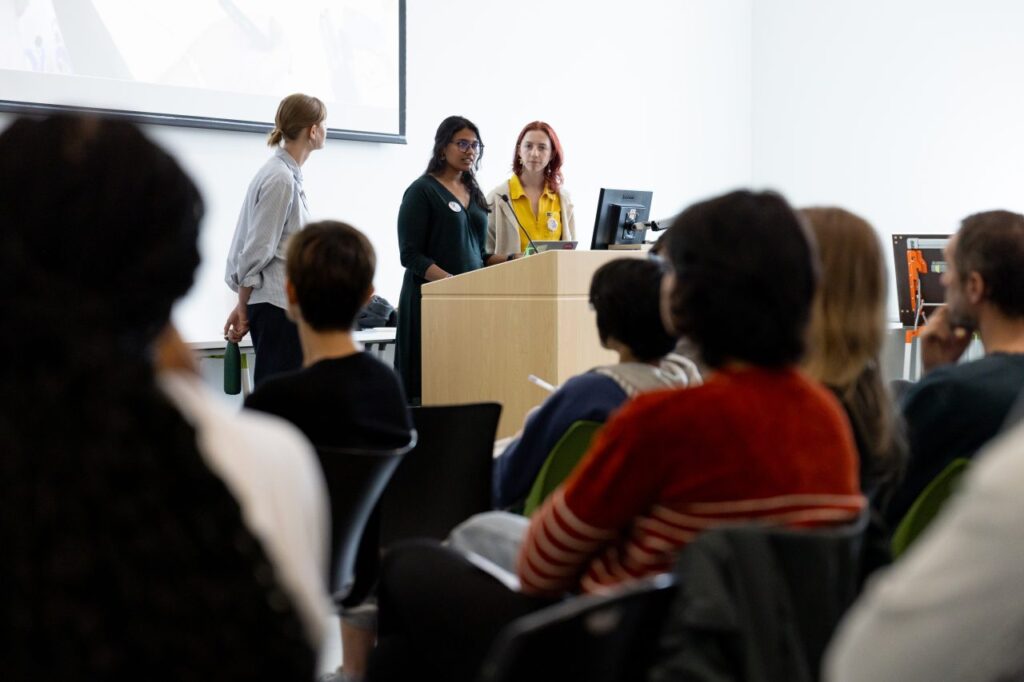
Now entering her final year in the MDes program, Srividya will begin engagement with participants in the fall.
In addition to helping shape her thesis and connecting her with a network of people to support it, she says the HDL project has greatly expanded her understanding of British Columbia and its residents.
“As an international student, my experience feels more complete for having worked on a project where I’ve met so many people,” Srividya says.
“This project has helped me get to know the city, the province and the people who live and work here. I’m excited to see what happens, especially if I’m able to continue my work after graduation.”
More About the Master of Design Program at ECU
We seek designers who aspire to create experiences and transformations locally and globally. Root yourself in our campus community while building connections with industry. Our two-year Master of Design degree program is built on critical, practice-based creative research. Faculty, staff and peers will be with you every step of the way, mentoring, challenging and supporting you.
Visit our website to learn more.
More About the Health Design Lab
The Health Design Lab (HDL) is a research and design centre at ECU. We use participatory design methods to catalyze, support and amplify initiatives that address complex health challenges.
To us, health is more than healthcare. Health is about community, culture, equity, agency, and much more. As a team of designers, including faculty, research associates and students, we work collaboratively with communities through storytelling, visualizing, making and co-design. Collaborations and projects seek to foster new ideas, uncover needs or opportunities, improve systems and services, and amplify voices and stories.
Visit our website to find out how to partner with and support the HDL.
Want more stories like this one delivered twice a month to your inbox?
Subscribe to our free Emix newsletter today!