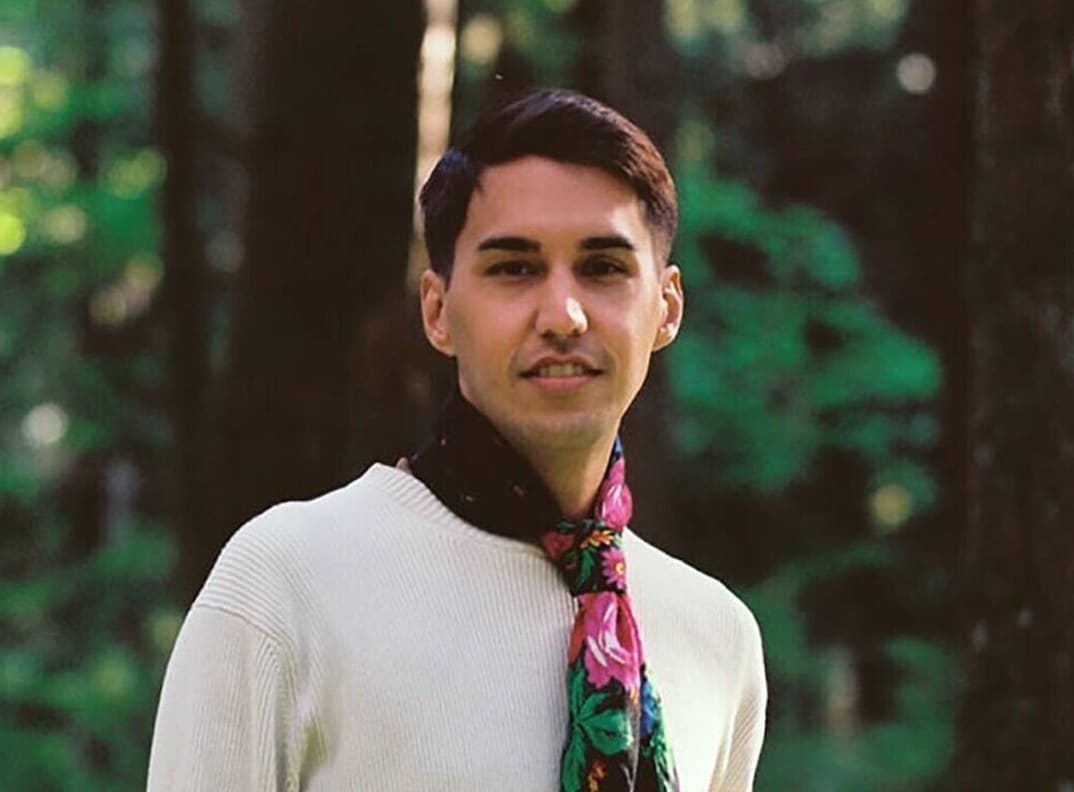
Held at grunt gallery through summer 2025, the workshop brings emerging artists together with accomplished arts professionals to engage with history and develop new work.
A new workshop series at grunt gallery led by artist Vance Wright (BFA 2024) aims to support Indigenous emerging artists in producing new performance works.
Titled NDN ACT II, the workshop is also designed to connect participants to the history of the vital practice.
“I sometimes find emerging artists are missing the kind of historical awareness you need to meaningfully enter a conversation,” Vance says from the Aboriginal Gathering Place (AGP) at Emily Carr University of Art + Design (ECU), where they work as a research assistant.
“Art is both an ongoing discussion and a dialogue with the past. Many emerging artists don’t understand how to engage in those exchanges. I thought, let’s get a bunch of them together to address that disconnect and reignite some of the connections that are interwoven between generations.”
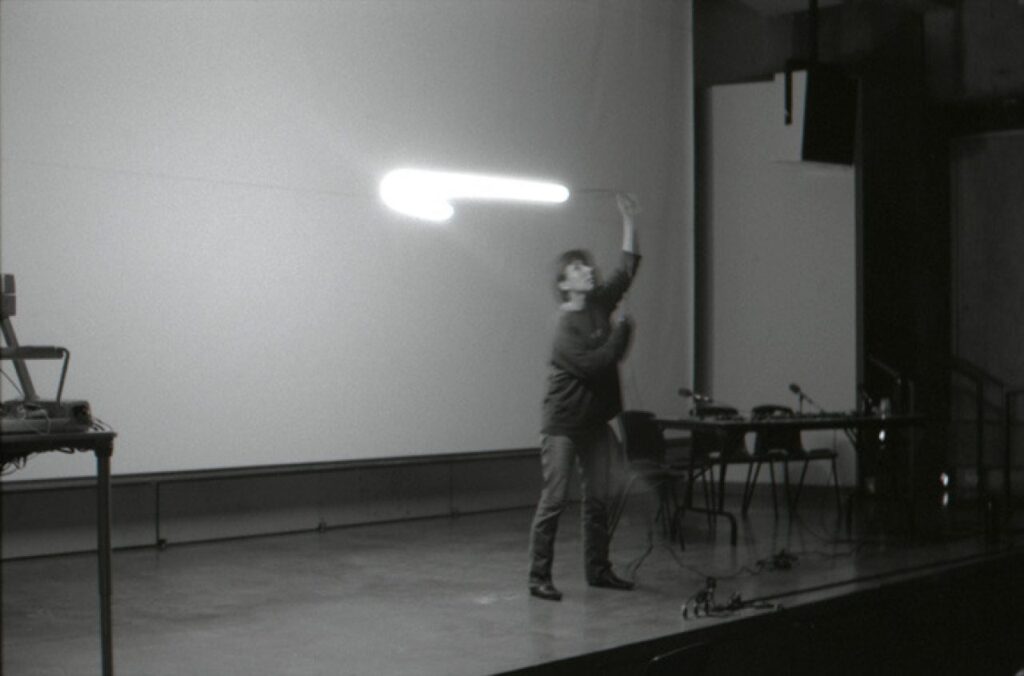
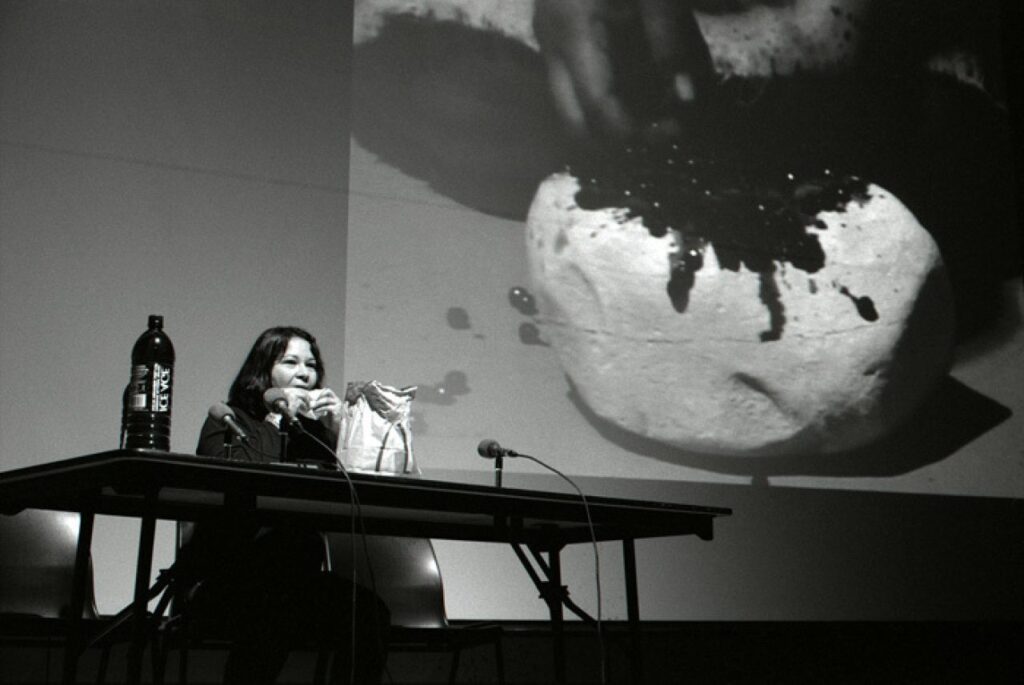
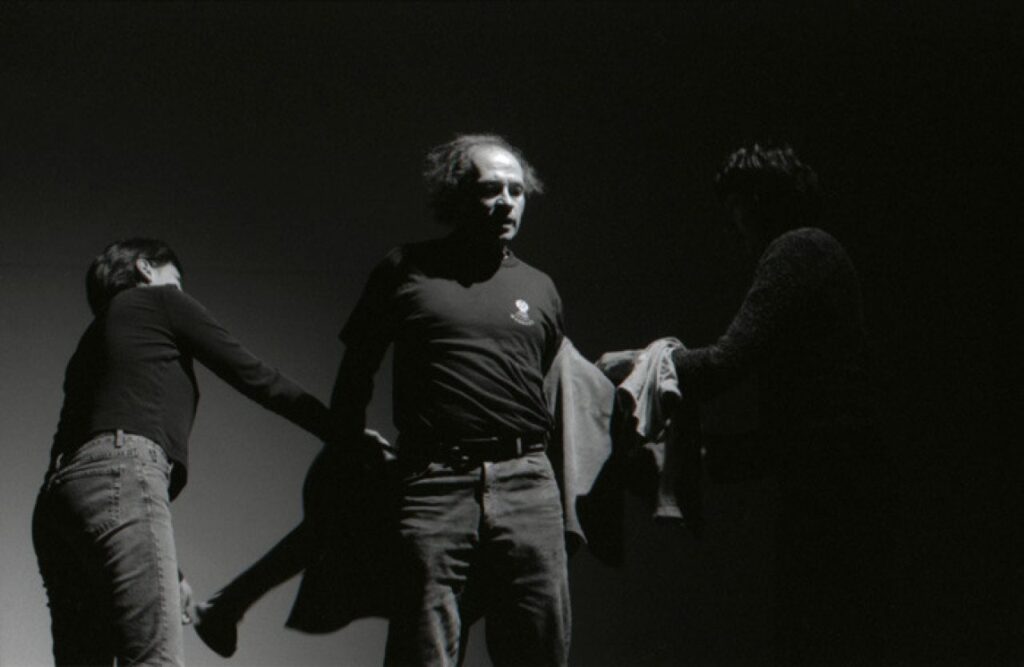
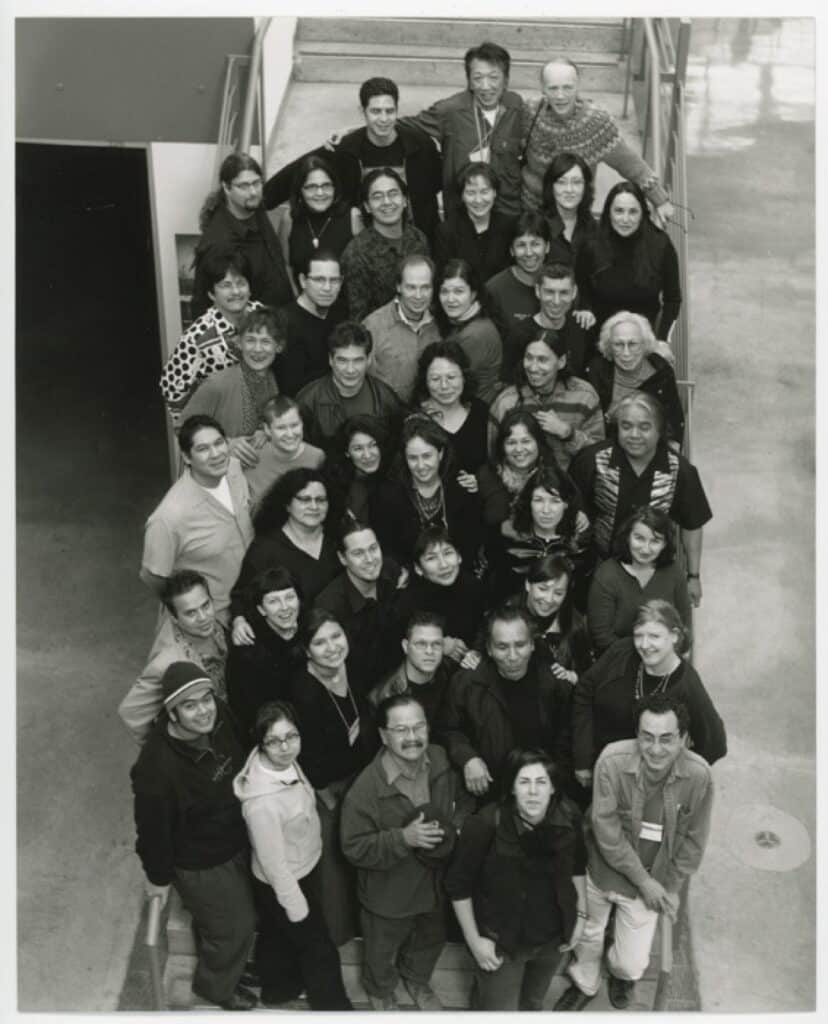
NDN ACT II draws inspiration from the 2002 conference INDIANacts: Aboriginal Performance Art, produced by grunt gallery and TRIBE. Curated by Lori Blondeau, Dana Claxton, Glenn Alteen and coordinated by Daina Warren, INDIANacts gathered artists, curators and other arts workers to reflect on and explore a tradition of contemporary practice which had yet to be critically acknowledged: performance works by Indigenous artists.
NDN ACT II invites participants to five workshops through May and June 2025. Guest facilitators will present works from the INDIANacts archives and offer feedback as the artists research and create new performance works. Additional supports include payment for participation, rehearsal space, mentorship and other resources. Participants will have an opportunity to present their newly developed works in the summer of 2025 at grunt gallery.
Vance first encountered documentation of INDIANacts while exploring the archives at grunt, where they work as a curatorial fellow. When gallery director Katrina Orlowski approached them with the idea of programming grunt’s summer community engagement block, Vance knew they wanted to revive the conference in spirit, if not in format.
“Every essay I read was amazing; every photograph from the performances was so compelling,” they say. “I thought it would be incredible to bring this back.”
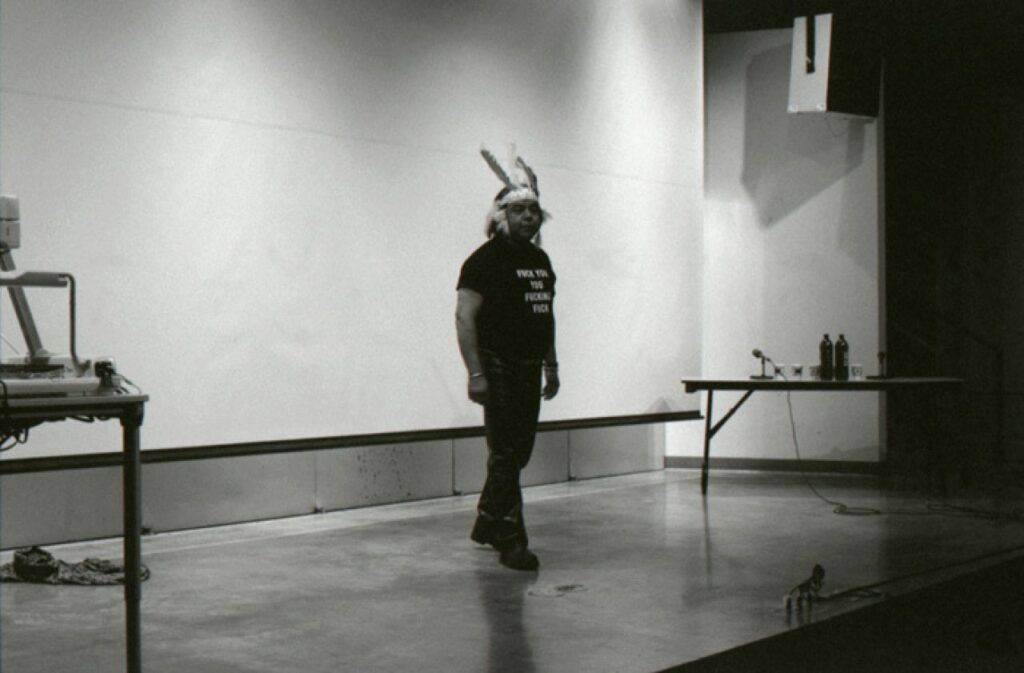
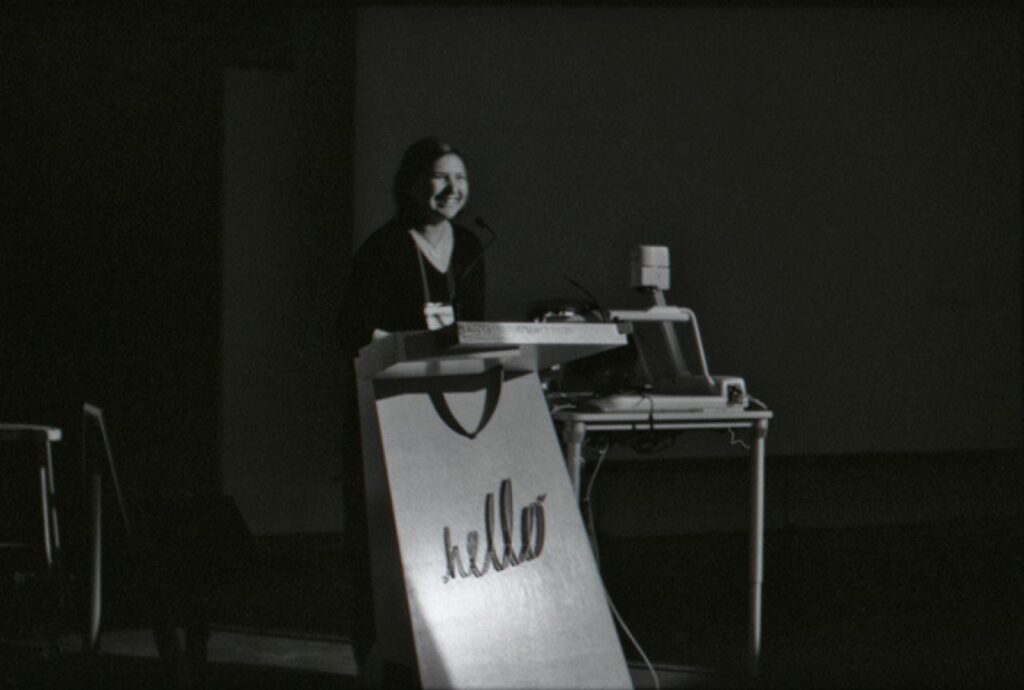
Daina Warren, curator and Executive Director, Indigenous initiatives at ECU, recalls feeling likewise moved during the conference itself.
“It felt like this incredible moment where celebrated Indigenous artists were meeting the younger, emerging generation, almost like a welcoming or passing of the baton,” says Daina, whose essay Sequential INDIANacts: A Survey of Several Performances is included in grunt’s archive and who will participate in NDN Act II as a guest facilitator.
“At the time of the first INDIANacts, we knew we were making Indigenous performance art history. Nothing like INDIANacts had ever been done before. So, I love the fact that it still holds meaning for emerging Indigenous curators and artists. I’m delighted that Vance values what that moment signified for all of us.”
Vance notes the initiative also reflects an increasingly close relationship between grunt and the AGP, where Vance’s work as research assistant involves researching Indigenous alumni currently missing from ECU’s historical records. The goal is to host a celebration at both ECU and grunt gallery in 2026 to reflect on this artistic legacy.
Meanwhile, grunt and the AGP are partnering on other events, including exhibitions and artist talks. Vance says this collaboration reflects the same ethos of intergenerational community-building that excited them about INDIANacts and inspired NDN Act II.
“In the Sinixt territories I grew up on, one of my first lessons from an Elder was you should always follow the youth, but listen to your Elders,” Vance says. “That’s what I saw when I looked at INDIANacts. It felt like all these generations coming together to talk about performance art in an Indigenous context. I thought this workshop could be a chance to start building that out again.”
Applications for NDN Act II are being accepted until 11:59 PM on April 10, 2025. Visit grunt gallery online to learn more about the workshop and apply for participation. You can also check out their archives anytime at archives.grunt.ca.
Visit Vance’s website and follow them on Instagram to learn more about their practice.
More About the AGP
Located in the Aboriginal Gathering Place at ECU, the Aboriginal Program Office provides culturally appropriate support that encompasses both traditional and contemporary artistic and cultural expressions of Aboriginal peoples, and is a valuable resource for students to access traditional materials/supplies. The Aboriginal Program team also assists with the promotion and coordination of events and workshops related to Aboriginal art and culture, and is responsible for providing information regarding Aboriginal funding, scholarships and awards.
Visit their website to learn more about their programming and resources.
Want more stories like this one delivered twice a month to your inbox?
Subscribe to our free Emix newsletter today!