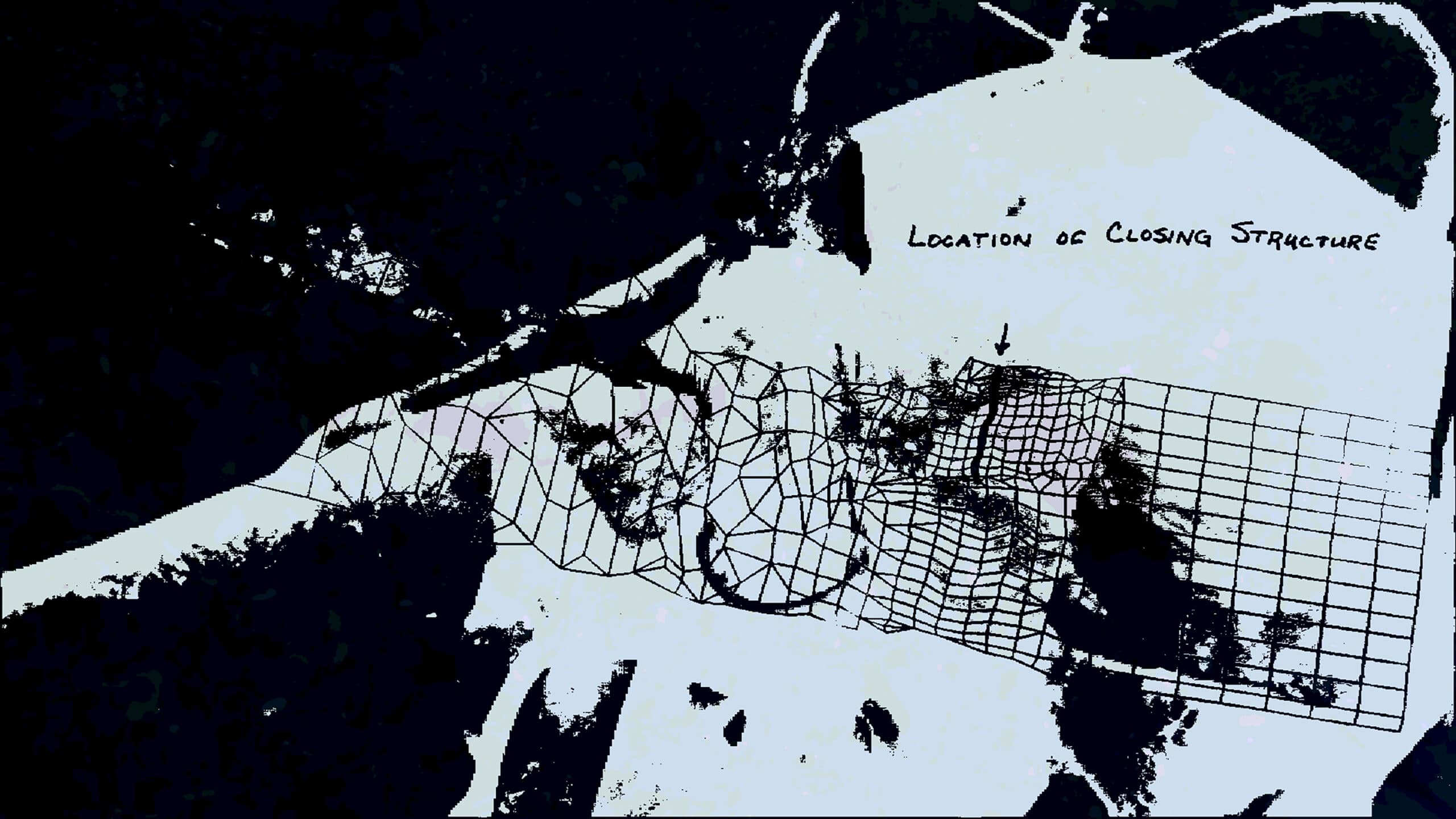
Curated by Dallas Fellini, Indiscernible thresholds, escaped veillances opens at 6 PM on Feb. 27 at the Libby Leshgold Gallery at Emily Carr University.
A new exhibition at the Libby Leshgold Gallery at Emily Carr University of Art + Design (ECU) explores the power of opacity, illegibility and disappearance during an era of intense visibility for trans people, bodies and communities.
Indiscernible thresholds, escaped veillances brings together five artists whose works consider how invisibility may offer an alternative type of agency to trans people, a community whose representation is often co-opted for political ends.
“I was thinking about this show as standing in direct opposition to hypervisibility, which we’re now seeing at its most extreme in the ways transness is instrumentalized as a conservative political talking point,” says curator Dallas Fellini. “Through this culture-war lens, trans people’s lives and bodies are absurd or incomprehensible or exceed what can be expected or accepted. So, maybe the power lies in refusing to participate in the structures that generate these expectations; in declining to be understandable to people who are trying to disempower us. Maybe those are tools we can use.”
Artists Danielle Brathwaite-Shirley, Lucas LaRochelle, Joshua Schwebel, Chelsea Thompto and Lan “Florence” Yee “test the possibilities of opacity to negotiate presentations of transness, especially in relation to the archive,” Dallas writes in their exhibition text. “Rather than approaching visibility as an issue to be resolved, these artists consider the potentials of retreating from view, framing opacity as a protective act, archival illegibility as an escape.”
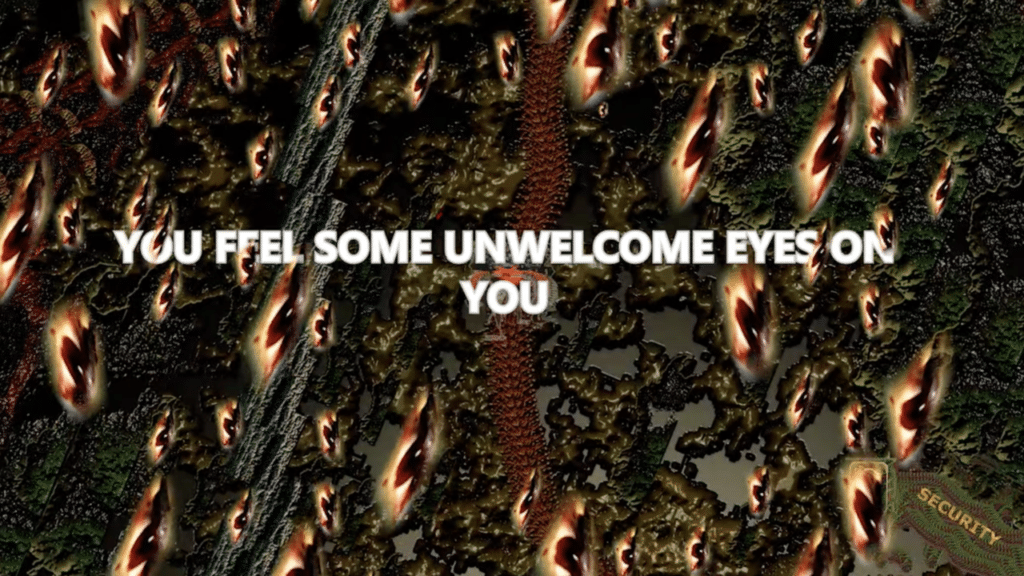
Dallas notes contemporary political discourse is only the most hyperbolic example of the exploitation of trans visibility. Nominally liberal institutions have likewise historically “spectacularized” trans people to signal inclusivity. The art world is no exception, they add.
“We often hear, ‘We’re so welcoming of these marginalized communities,’ or ‘We want trans people to have their art in the gallery,’” Dallas says. “And to participate in these spaces, trans people must perform a kind of über-transness so the audience — which is almost always majority cisgender people — can consume a simplified understanding of what transness is. That feels like a real tension within this show, which could be something to play on and work with to create conversation.”
Dallas says archives are a rich site for exploring alternatives to the discourses that produce these issues. For instance, artists Danielle Braithwaite-Shirley and Lucas LaRochelle create experimental alternatives to official archives, which have played a significant role in visualizing transness throughout history. Meanwhile, Chelsea Thompto’s video work, Productive Bodies, engages with — and defaces — official archives of trans medicine through the lens of documents relating to the industrialization of the Mississippi River.
The Libby Leshgold Gallery will also host a Trans Opacity Classroom, which includes a panel of trans arts workers from across the Vancouver community. The sold-out event is led exclusively by trans people for trans participants. Dallas says the aim is to facilitate intra-community conversations in a space free from questions or expectations about what transness is or how it should be performed.
“I’m excited because Vancouver has a lot of trans people holding significant and influential positions in the arts compared to other cities,” they say. “These institutional contexts are often aspirational, offering a real sense of material security, but then can also be unwelcoming to trans people. I’m interested to hear our panel share their takeaways and strategies for survival.”
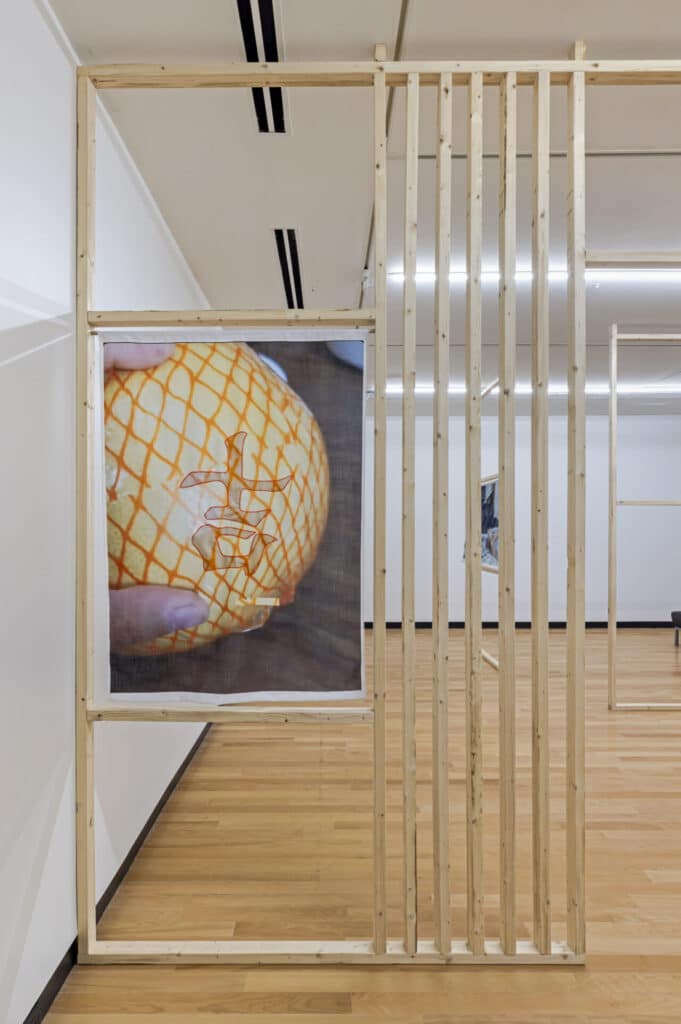
In addition to offering a series of curatorial tours, Dallas will also speak with ECU students. These talks offer an opportunity to connect with the next generation of arts professionals about the issues the exhibition addresses.
“If you’re working with trans artists, it’s important to be critical about what sorts of art by trans people you are immediately drawn toward. Ask questions about that response. Does the art have to perform for you in a certain way? And what are the dynamics of that performance?” Dallas says, adding that navigating legibility can be a challenge for many emerging practitioners.
“Contemporary art has always been about mediating non-clarity to a certain degree, and when I was younger, one of the harder things for me to gauge was how clear I should be,” they continue. “When does an artwork become too obvious? And do I even want anyone to understand everything?”
The opening reception for Indiscernible thresholds, escaped veillances takes place at 6 PM on Feb. 27 at the Libby Leshgold Gallery at ECU. A curatorial tour with Dallas takes place Mar. 1 at 2 PM. The show is on view through Apr. 13 during gallery hours. Admission to the show and events is free and open to the public.
About the Libby Leshgold Gallery at ECU
The Libby Leshgold Gallery is a public art gallery dedicated to the presentation of contemporary art. Located within Emily Carr University of Art + Design, the gallery serves a broad and varied community that includes the students, faculty and staff of the university, the arts community, the public of Greater Vancouver, and visitors from around the world. Our projects involve the public, university and artistic community in a dialogue about the development of critical practice in art and design.
Want more stories like this one delivered twice a month to your inbox?
Subscribe to our FREE Emix newsletter today!