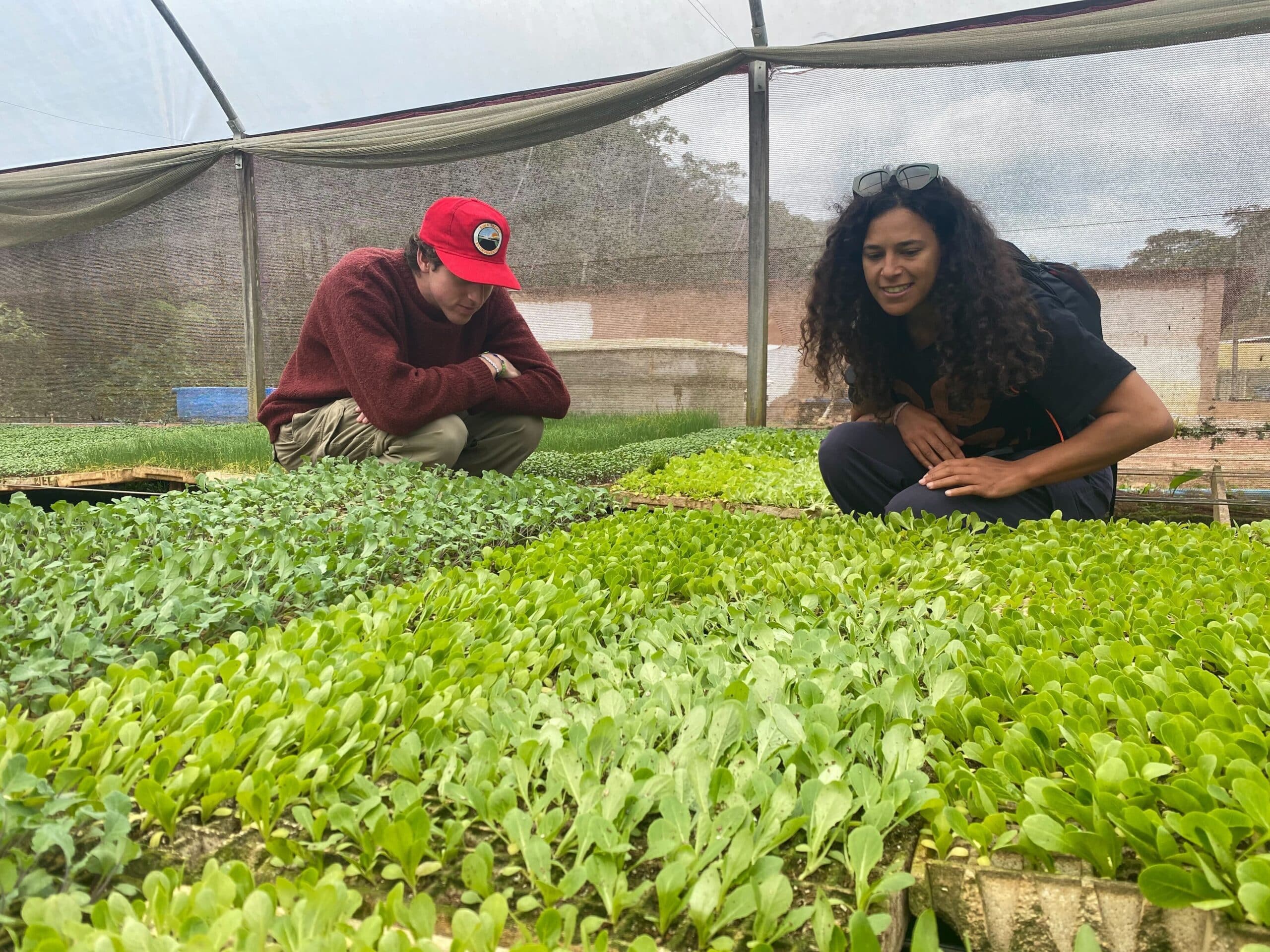
The 10-month research and design project developed tools and experimental models for establishing a circular food economy.
A new research project explores ways of eliminating wasted food by creating “circularity” in Vancouver’s food system.
The Circular Food Innovation Lab (CFIL) is a project co-led by the City of Vancouver, the Vancouver Economic Commission’s Economic Transformation Lab, Emily Carr University (ECU) and 18 Vancouver-based businesses and organizations working in the food system. CFIL was funded by the Carbon Neutral Cities Alliance and Mitacs.
Circularity means finding ways of bringing industrial and retail food practices into alignment with the cyclical nature of food production itself, says Lily Raphael, City of Vancouver Solutions Lab designer and CFIL design + experimentation lead.
“At the core of it, circularity is about adopting practices where the idea of waste doesn’t exist,” she says. “It’s about developing a close relationship to food and its cycles, and establishing a habit of using and interacting with food in a way where there’s nothing left over, and there’s nothing that can’t be used, whether by humans or other beings.”
Small-scale and regenerative farmers are an example of a group which has been practicing circularity for generations, even though “circularity” isn’t a word they employ, Lily adds. But broadly speaking, current practices follow a pattern of extract-produce-consume-dispose. Terms such as “expiration date,” “best-before” and “spoilage” expose how we view food’s value as a one-way street: it peaks when food is fresh and then degrades over time.
Each year in Canada alone, wasted food creates more than 56 million tonnes of carbon dioxide-equivalent emissions. And more than 11 million tonnes of edible food are wasted annually at a value of $49 billion. Meanwhile, 1 in 10 people in the 10 provinces live in a food-insecure household, according to Statistics Canada.
And with climate change and supply-chain instability increasingly threatening access to food, the importance of reducing waste and maximizing value is increasingly urgent. To this end, CFIL offers tools and experimental models for developing food circularity.
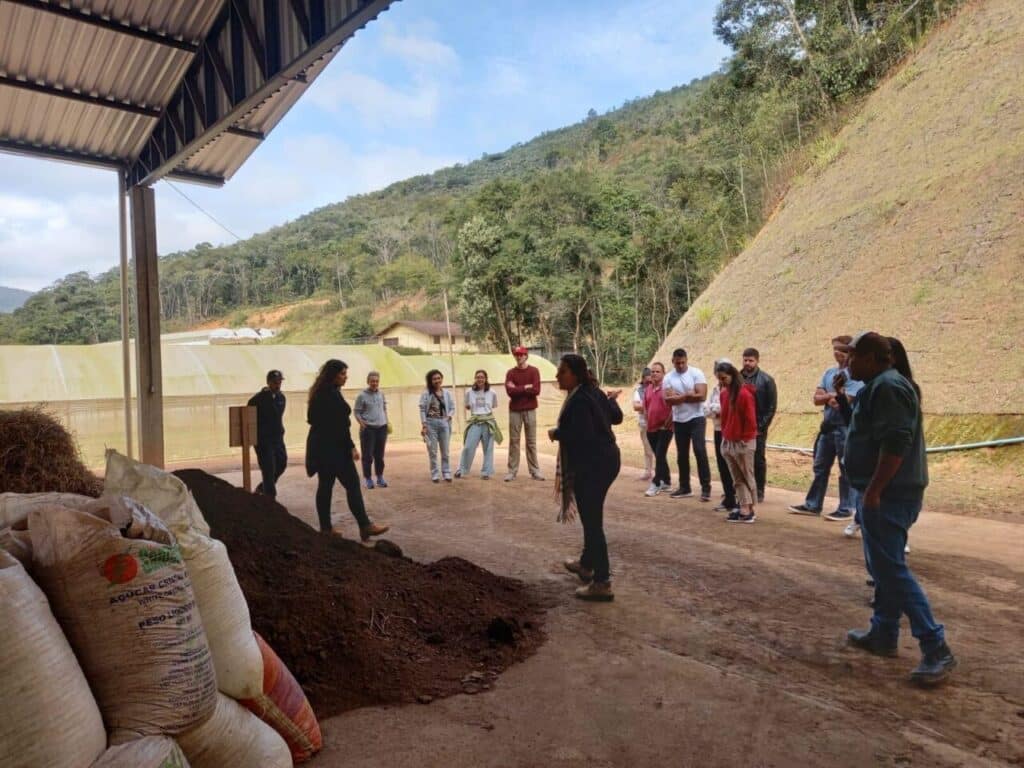
Over 10 months, CFIL participants ranging from commissary kitchens and restaurants to grocery stores and microbreweries worked alongside design researchers to co-design potential solutions to reduce and prevent wasted food by increasing circularity.
Participants tested — and in some cases adopted — a range of strategies including consumer education, fostering staff engagement, establishing peer-to-peer networks, improving procedures for sorting and tracking, shifting practices to prevent surplus and finding new uses for “wastage.”
One of those participants was Anthony Sullivan, owner of the IGA grocery store on Robson Street. For Anthony, confronting wasted food was a perennial challenge. As the grandson of a “zero-waste grandmother,” it was also excruciating.
“I always thought of wasted food as a moral issue,” he says. “When we opened the store, the waste that was occurring was shocking, even despite best practices and best efforts.”
In large part, this is due to enduring consumer expectations around availability of food, he says. For instance, consumers expect that seasonal fruits and vegetables will be sold all year round. This drives up their cost during the off-season, leading to reduced sales and increased spoilage.
Meanwhile, grocery store staff become desensitized to this cycle. They view wasted food as a part of their job rather than a painful issue that needs resolution.
Anthony says he’d been searching for a partner to help him with this problem when the CFIL team approached him. They worked to empower staff to actively contribute to food-waste reduction. But more importantly, they helped them target the cultural issues that underpin people’s ambivalence about wastage.
“A lot of the conversations we had were about educating consumers who have grown up in a culture of abundance and plenty and diversity,” he says. “We developed programs to reconnect them to ideas like seasonal availability and cost, and to explain why certain foods shouldn’t be available year-round. And we spent a lot of time making it easier for our team to improve things from a process perspective.”
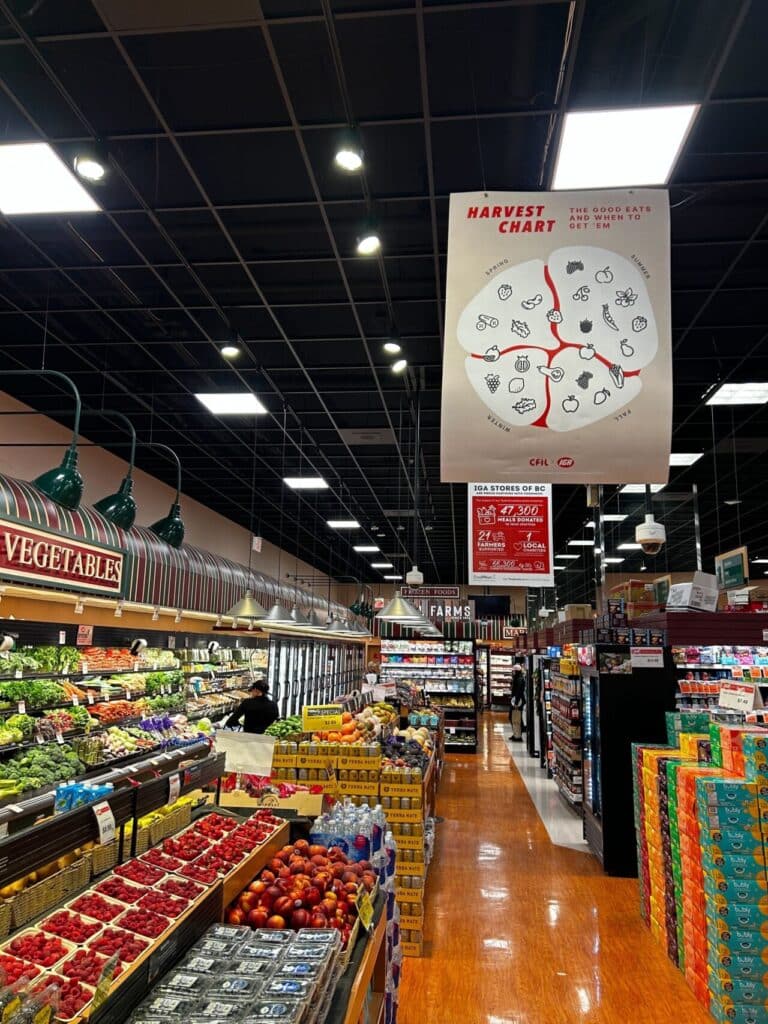
The result is educational materials that now populate the aisles at Anthony’s IGA, as well as new tracking practices that help reduce wastage before it starts. Anthony says having an external partner involved was key to bringing these ideas to bear in a meaningful way.
“It changed the nature of our conversation and allowed us to refocus our relationship to wasted food.”
And while businesses often feel wary of committing to new processes that could impact razor-thin margins, there’s good news: every dollar spent by a food business to reduce food wastage results in an estimated $14 worth of savings, according to a UBC Sustainability Scholars Report. Another report by the VEC finds that, at a highly conservative estimate, $195 million dollars of annual sales and/or cost savings are achievable in Metro Vancouver by adopting circular economic practices across the agri-food value chain.
The City of Vancouver and VEC hope to bring more businesses to the table to expand upon the insights generated by CFIL participants and accelerate toward a circular economy of food. Erin Nichols, senior project manager with Solid Waste Strategic Services at the City of Vancouver, says the goal is to create a coalition representing Vancouver’s food sector which would ultimately support a zero-waste food industry.
“This project is a beacon of hope amidst what can sometimes feel like a systemic, unsolvable problem,” Erin says of CFIL. “Throughout this study, folks from across sectors saw themselves in the solution; they made it personal. CFIL’s work shows the kinds of extraordinary insight and collaboration that are generated when people feel empowered to access their creative problem-solving selves.”
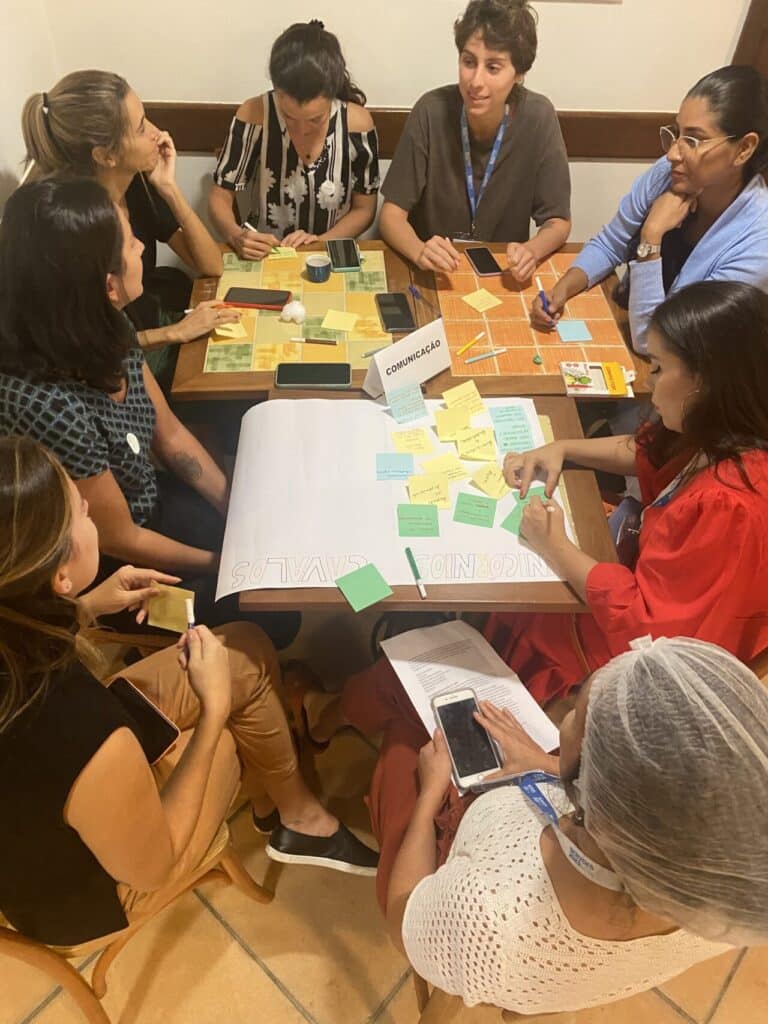
In July, members of the CFIL team presented their work in Rio de Janeiro, Brazil, at ServDes, a biannual international research conference for exchanging knowledge related to service design and service innovation. CFIL designers Marcia Higuchi (MDes 2022), Bianca Kodato (BDes 2023) and Hunter Milroy (BDes 2022) ran a workshop based on the principles of the CFIL project. Christa Clay (MDes 2022), Yejin Eun (MDes 2023), Sheyda Rashidi (MDes 2023), Garima Sood (MDes 2022) and Soumya (MDes 2022) were also part of the CFIL design team throughout the project.
In Rio, Lily Raphael and Shumka Centre for Creative Entrepreneurship research associate Laura Kozak presented a paper on food circularity. The workshops and presentation aimed to show how CFIL’s tools and insights can translate to new settings and offer a scalable approach that other designers can take back to their communities.
Erin Nichols adds that the City of Vancouver is keen to hear from additional local businesses and organizations to continue the conversation on how to adopt circularity more widely throughout Vancouver’s food sector. Interested parties can contact the City via email at solving-food-waste@vancouver.ca and sign up for updates via the online form.
About the City of Vancouver Solutions Lab
Our city is facing increasing pressure to address complex challenges like reconciliation, affordability, equity, climate change, sustainability, social isolation, falling trust in government, and many others. The go-to structures and processes of local governments were set up for very different purposes, challenges, and responsibilities than those we face now, and if governments don’t adapt we’ll be left behind. We’re being called, both as individual public servants and as an organization, to experiment, learn, and scale new solutions in response to these pressures. We’re being called to respond to the root causes of these systemic challenges, not just apply incremental quick fixes. The Solutions Lab is a response to this call.
About the Vancouver Economic Commission Economic Transformation Lab
The Economic Transformation Lab (ETL) is a research program developed by the Vancouver Economic Commission to prepare Vancouver’s economy for global trends anticipated to impact the region over the next 10-15 years. By leveraging academic and industry collaborations, the ETL aims to produce research that results in actionable goals, best practices, and insights that inform policy advocacy or programs to help future-proof Vancouver.
About the Shumka Centre for Creative Entrepreneurship
We create programs and partnerships that help artists and designers realize their ideas in the world. Shumka Centre is a place where creative practitioners can find the community, knowledge, and resources they need to launch, fund, and organize projects across the spectrum of contemporary art and design activities – products, projects, curatorial initiatives, platforms, companies, organizations, and more. We believe that tactical support specifically designed for the needs of artists and designers is the first step in achieving a systemic change to empower creative people.