Create. Change.
A Better World Through Art + Design
Here artists, designers, educators and leaders address the challenges of a complex, changing world. Our mission is to inspire the next generation of creative thinkers to drive meaningful change through practice-based art + design.
Our strategic plan outlines what we do, why we do it, and our shared purpose as a public university of art and design.

Our Priorities
Five key priorities will guide us toward achieving our long-term vision by 2030. These priorities shape our strategic focus and provide a clear roadmap for our growth and development.
Through these objectives, we define the areas of impact and outline how we will measure our success, ensuring that we remain accountable and responsive to the needs of our community every step of the way.
Priority #1: Elevating Teaching + Learning
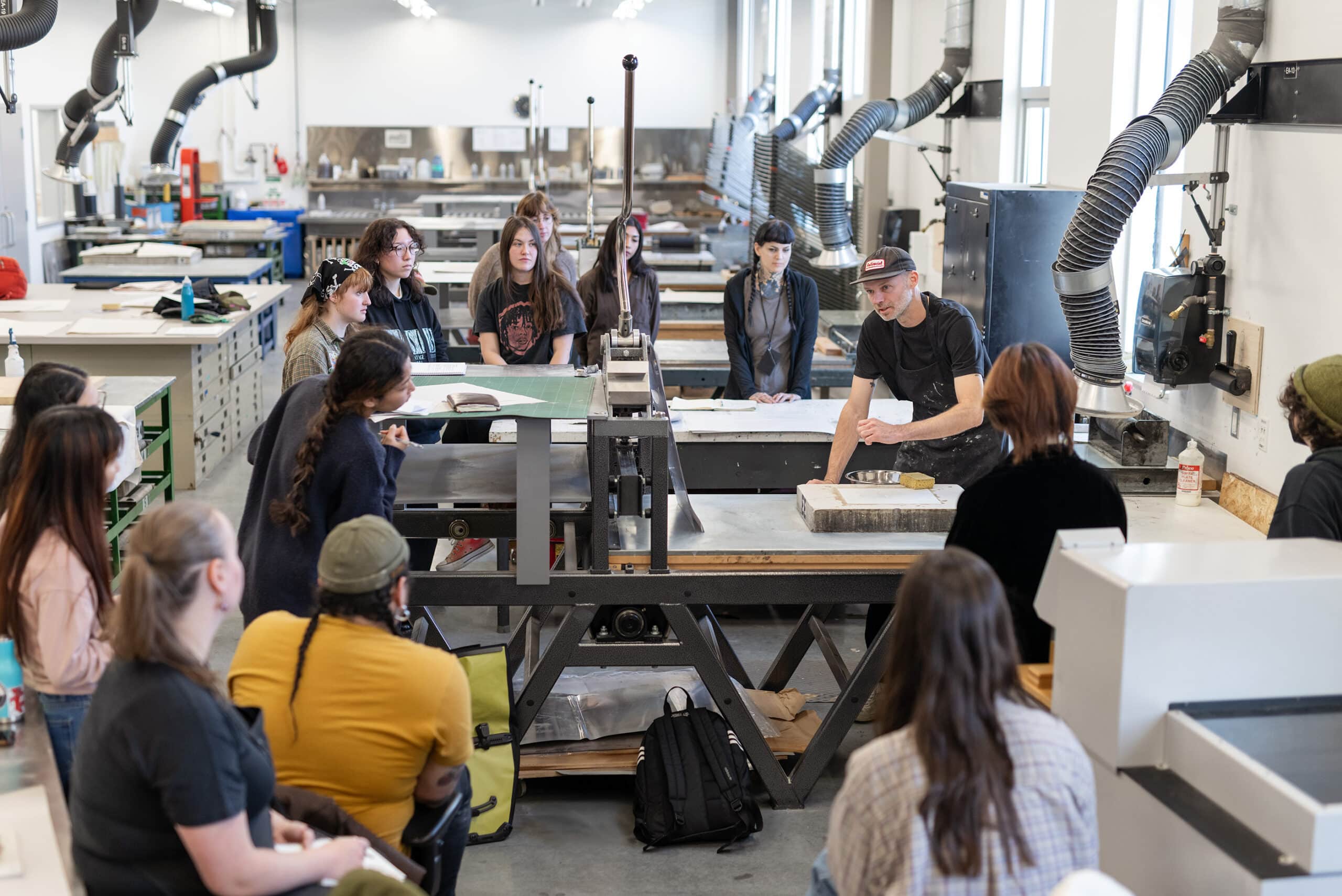
Teaching is, and will always be, at the heart of everything we do at Emily Carr University.
We support and encourage a diverse community of artists, designers and creative thinkers in their learning – both within and beyond the academic program.
Objectives
- Create flexible and diverse learning pathways that equip students with the skills and knowledge that they need to take full advantage of the professional, economic, cultural and creative opportunities available to them.
- Increase accessibility for domestic and international students of all backgrounds, communities, ages, abilities, and intended career paths.
- Ensure that curriculum is relevant, effective and adapts to the changing needs of students and society.
- Support the success of all students, especially Indigenous students, by advancing Indigenization and reconciliation through curriculum, partnerships and educational opportunities.
- Ground practice-based education in critical inquiry and making in a way that responds to broader social and cultural contexts, and local and global circumstances.
Priority #2: Expanding Research + Practice
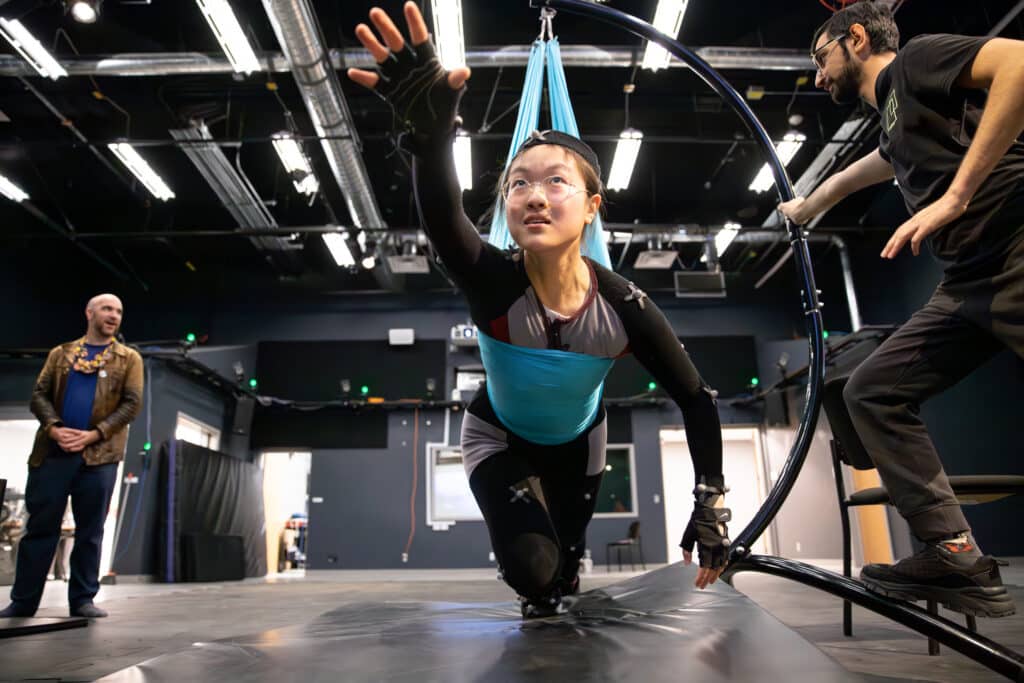
Through research, we engage with materials, technology, visual representation and theory.
This ongoing process of inquiry generates new knowledge and understanding, leading to healthier communities, more vibrant economies and culturally resilient futures.
Objectives
- Unlock new ways to support researchers in creating new understanding and knowledge across the key research themes outlined in ECU’s Strategic Research Plan.
- Encourage student participation in research projects with faculty and peers as well as with community and educational partners.
- Enhance capacity for students and faculty to conduct, apply and disseminate critical and creative research.
- Strengthen research partnerships and collaborations throughout ECU and with the community, including not-for-profit organizations, government and industry.
- Advance art, design, and media research methods in transforming communities, industries, disciplines and new technologies such as generative AI.
Priority #3: Supporting People + Culture
We strive to cultivate a diverse and inclusive environment where everyone is recognized, valued, and celebrated.
We will invest in the appropriate structures and resourcing needed to support all members of our community.
Objectives
- Support faculty and staff’s creative work and career advancement by offering opportunities for professional development, career growth and partnerships.
- Build and invest in an organizational model that fully supports excellent student experience, learning and success.
- Foster mutually beneficial relationships and support networks with host nations, community partners, alumni and the broader cultural community.
- Create an inclusive community by embracing diversity, promoting understanding of differences and building intercultural competence.
- Review and support clear organizational structure, work design, operational planning, and leadership in all departments and areas of the university.
Priority #4: Stewarding Places + Spaces
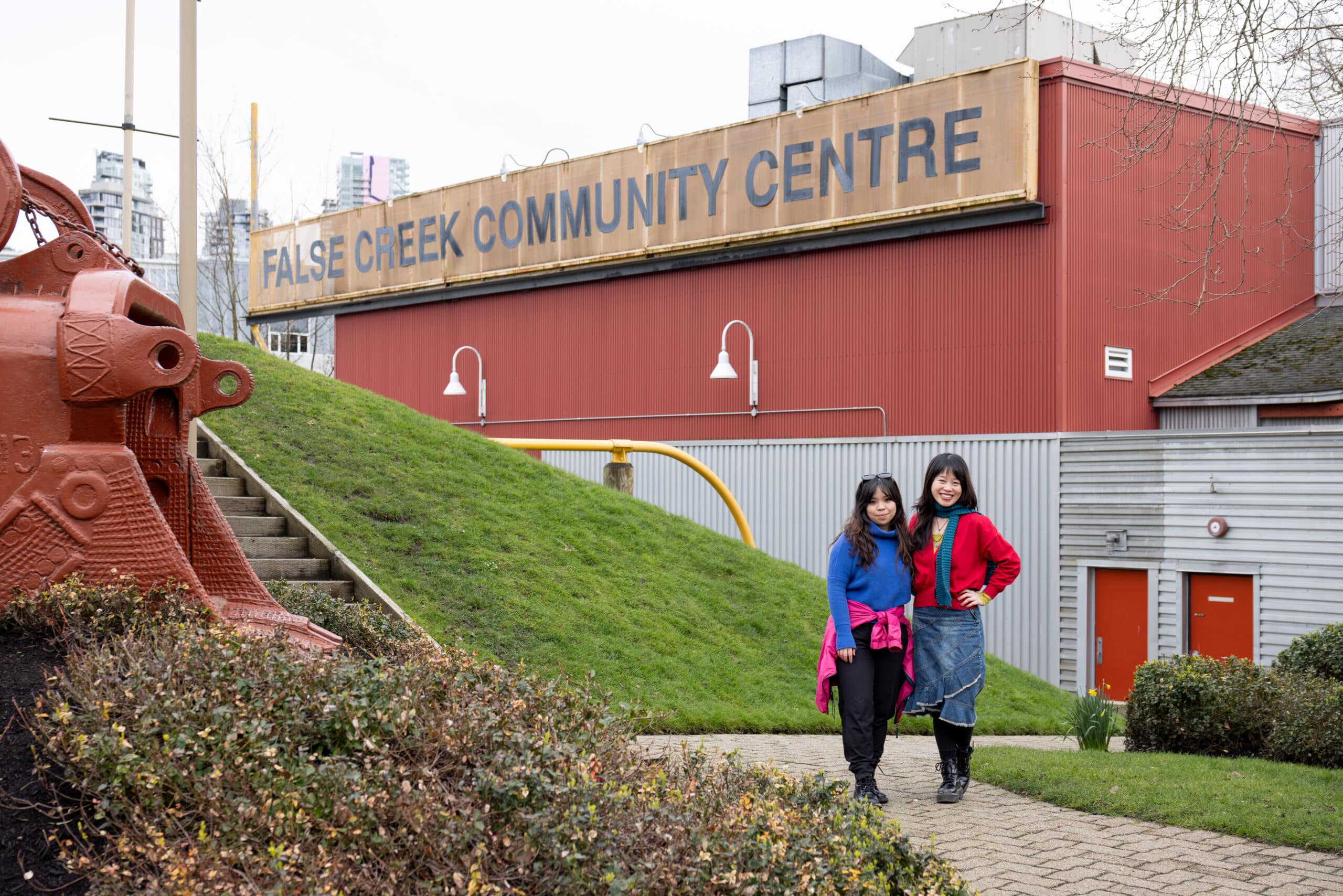
Situated on the traditional, unceded territory of the Musqueam, Squamish and Tsleil-Waututh peoples, ECU strives to operate in a respectful, sustainable and beneficial way.
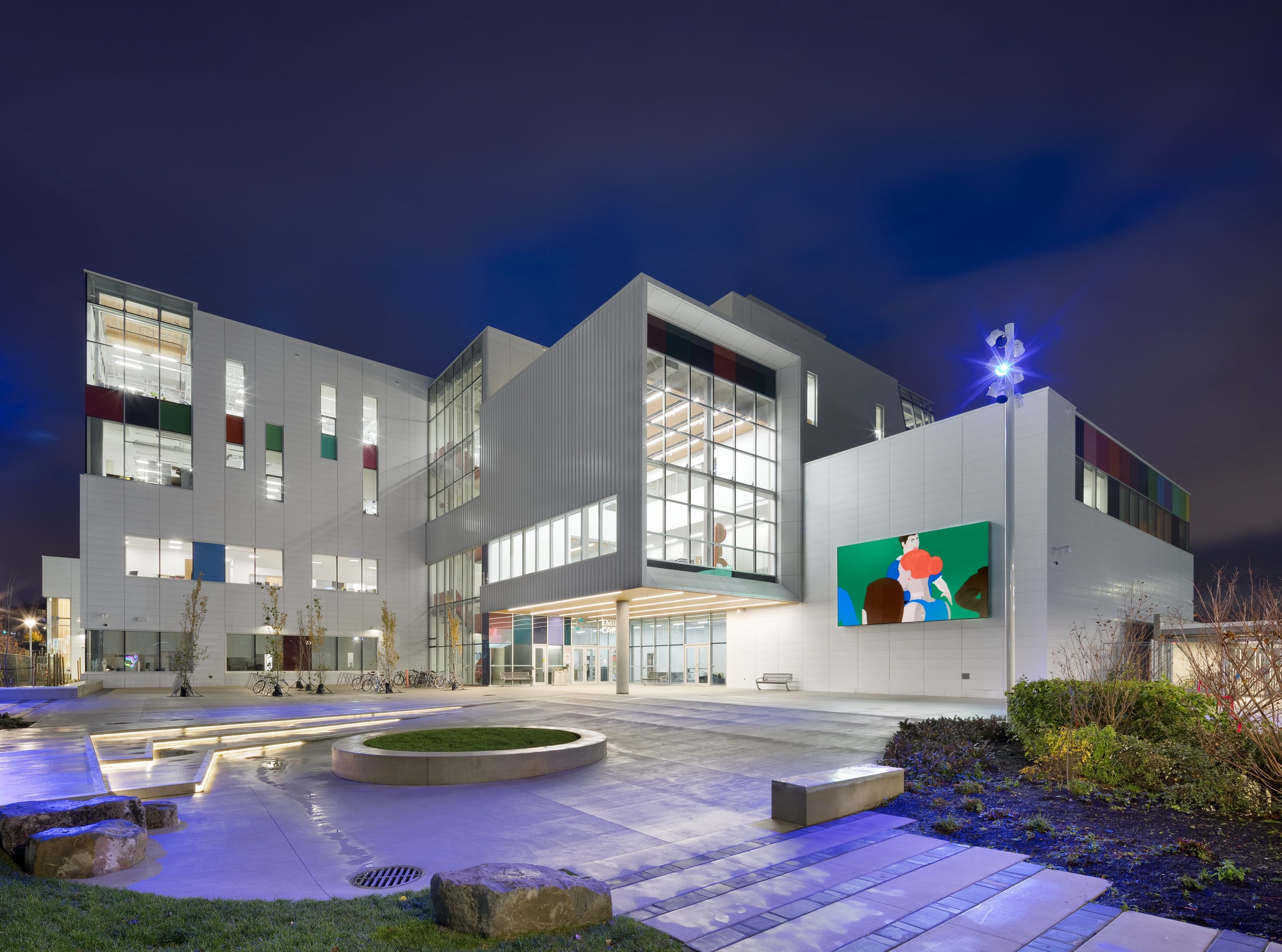
We are committed to creating an accessible, state-of-the-art campus where our community can learn, create and connect.
Objectives
- Uphold a commitment to public service as a shareholder in the Great Northern Way Trust, and be proactive and responsive to the social, cultural, and economic contexts of the site.
- Make our space more welcoming, supportive and accessible for students, promoting positive learning and social experiences.
- Incorporate Indigenous knowledge into our operations and collaborate with Indigenous communities to provide equitable access to ECU facilities and resources.
- Invest in our facilities, infrastructure and technical expertise to allow us to provide state-of-the-art practice-based learning and research.
- Act sustainably and respond in a meaningful way to the climate crisis and habitat degradation.
Priority #5: Strengthening Systems + Supports
We commit to the ongoing improvement of the systems, processes, and technologies that form Emily Carr University’s operational and organizational foundation.
This will enhance the campus experience and ensure the ongoing stability, resilience and sustainability of the university.
Objectives
- Enhance our information and communications systems to allow us to better share information, tell our story and build relationships.
- Develop systems and relationships that support the entire student journey, and the unique needs of domestic and international students, from admissions to graduation, to joining our alumni network and becoming a lifelong learner.
- Coordinate our business systems – including workflows, resource allocation, teamwork, and support – to enable smooth and efficient experiences for students, faculty and staff.
- Improve our financial sustainability by working with funders, government, alumni, and community organizations, and by managing enrolment strategically and making efficient use of our resources.
- Invest in the tools, systems, spaces and training required to provide a cutting-edge learning environment and enhance the user experience for all.

Our Vision
Our vision, mission, commitments and values express who we are as a creative community. Explore the principles that define Emily Carr University and reflect our shared beliefs about art, design, collaboration and care.
President’s Message
President + Vice-Chancellor Trish Kelly shares the story behind ECU’s new Strategic Plan. Learn how our community came together to chart a bold, inclusive path forward for art, design, and media education.

How We Got Here
Discover how Emily Carr University’s community co-created the Strategic Plan. Learn about the inclusive, collaborative process that brought together students, faculty, staff and alumni to define ECU’s priorities and set a clear path forward.
ECU Strategic Research Plan
As one of the most research-intensive art and design universities in Canada, Emily Carr University of Art + Design connects art, media, and design practices with some of the most pressing questions of our time.
The 2023-28 Strategic Research Plan provides a framework for the growth and development of a rich array of research activity across the university.
Stay Connected
Follow us or subscribe to our emails for announcements, invitations and to be part of the greater ECU community.