Mark Iglioliorte

Associate Professor

Availability:

Education:

MFA, Studio Arts, Painting and Drawing, Concordia University
BEd, Intermediate/Secondary, Memorial University of Newfoundland
BFA, Nova Scotia College of Art and Design

Bio

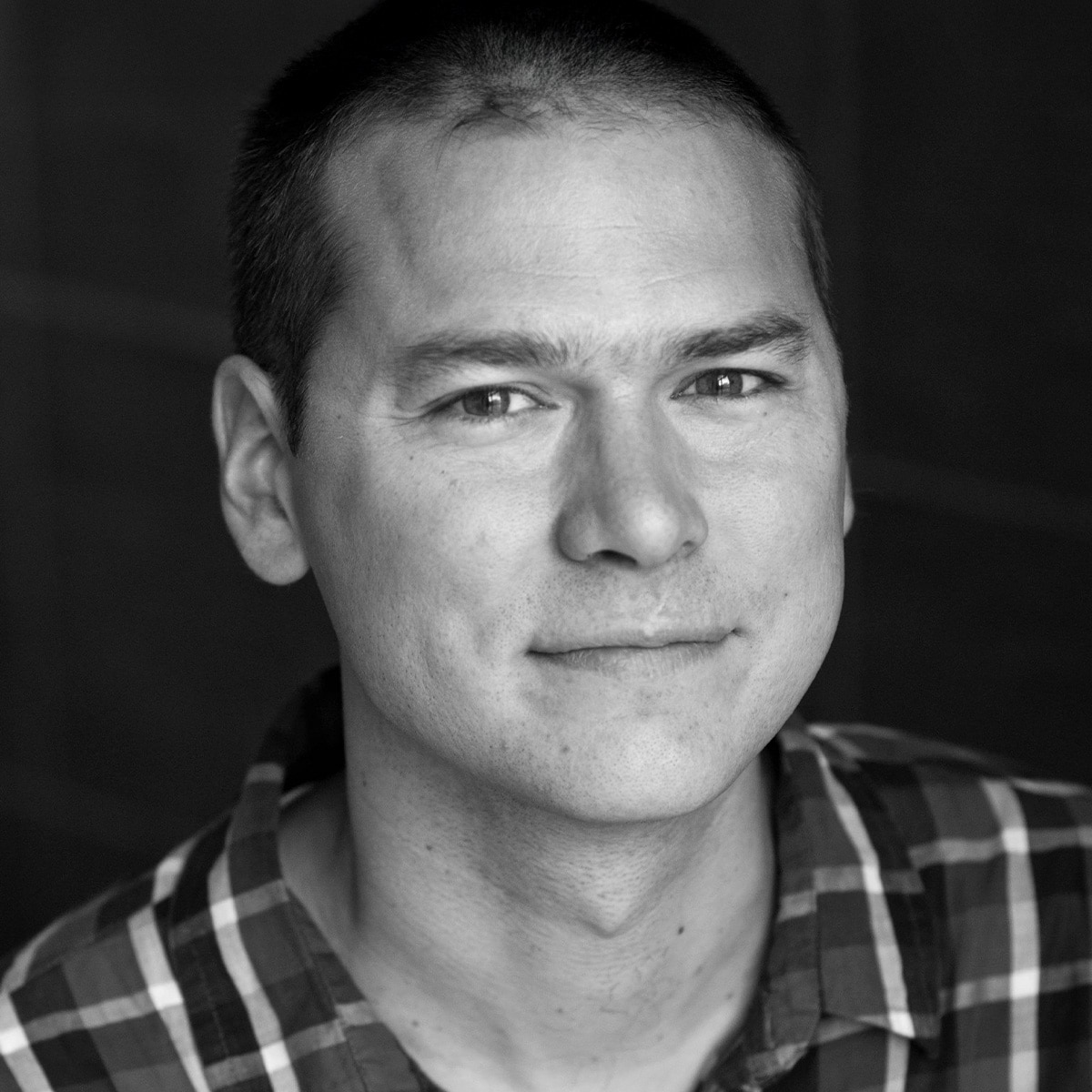
Mark Igloliorte (Inuk, Nunatsiavut) is an artist, essayist and educator. His interdisciplinary work explores Indigenous mobility, language, and embodied practices, incorporating kayaking, skateboarding, and Inuit material culture. His work has been exhibited internationally, including at Nuit Blanche Toronto and the 59th Venice Biennale Sámi Pavilion, where he showcased immersive digital storytelling on Arctic landscapes and movement.

Websites:


Research Interests

Mark Igloliorte’s research explores Indigenous mobility, cultural knowledge transmission and language revitalization through contemporary art and digital media. His projects examine movement-based practices, such as kayaking, skateboarding, and kamutik (sled) travel, as a way of engaging with pre-colonial and future-facing Indigenous identities. Through works like Tuvak Akkusinialuk Siaggijâk – Ice Road Skating, Mark employs 360-degree video and augmented reality to explore the intersection of land, language and play. His large-scale public installations, such as Saputiit – Fish Weir Skateboard Plaza, reimagine Inuit traditions in contemporary urban contexts. His painting and sculpture practice also engages with Inuktitut language, emphasizing its visual and spatial presence in art spaces. By integrating traditional knowledge with contemporary art methodologies, Mark’s research challenges colonial narratives, emphasizing embodied experience, digital storytelling and Indigenous futurisms as critical approaches to understanding place, belonging, and cultural resurgence.
Courses

Course Name Department Course Code Term
Painting PNTG 314 27/SP

Description

This studio course will consider painting's relationship to space, both physical and discursive as the central field of research. How might painting relate to architecture and the built environment surrounding the painting? In what ways do such framing contexts imbue painting with cultural value and meaning? Conversely, we might ask how architectural representation and production of space might have demonstrated its symbiotic relations to effects of painting as well as drawing. By considering various historical moments where the space of painting, both symbolic and literal became grounds for critique of cultural and social values, we'll seek to gain a new understanding of what the stakes are in painting.

Pre-requisites

No prerequisites.

Painting PNTG 200 27/SP

Description

This studio course will familiarize students with techniques and concepts in painting practice and discourse. Students acquire a technical grounding through the study of colour, composition, paint application, preparation of painting supports, and properties of paint. Assigned projects will focus on observational painting exercises and on a range of other contemporary and historical approaches to representational painting. Classes combine technical workshops, readings, discussions, and individual and group critiques. A diverse range of painting histories and practices will illustrate and contextualize course content.

Pre-requisites

No prerequisites.

Painting PNTG 312 26/FA

Description

Focuses on painting the human body. Students develop critical and technical painting skills through projects that examine subjective and objective strategies for painting the human body. By producing a series of paintings students learn to apply a variety of acrylic and oil painting techniques. Through this process students develop their abilities to observe and describe. The genre is examined from both historical and contemporary perspectives.

Pre-requisites

No prerequisites.

Painting PNTG 200 26/FA

Description

This studio course will familiarize students with techniques and concepts in painting practice and discourse. Students acquire a technical grounding through the study of colour, composition, paint application, preparation of painting supports, and properties of paint. Assigned projects will focus on observational painting exercises and on a range of other contemporary and historical approaches to representational painting. Classes combine technical workshops, readings, discussions, and individual and group critiques. A diverse range of painting histories and practices will illustrate and contextualize course content.

Pre-requisites

No prerequisites.