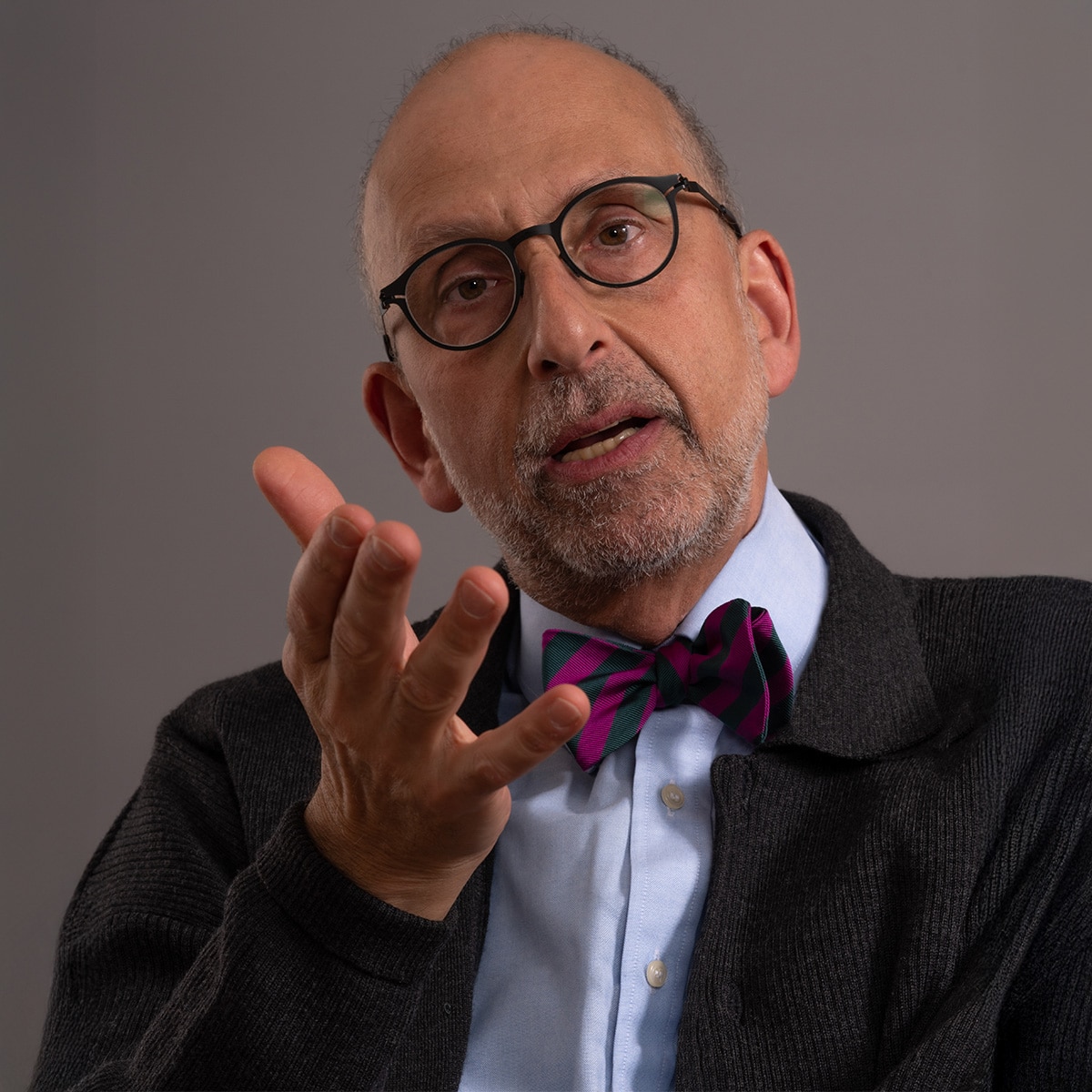
Harry Killas

Professor and Assistant Dean, Film + Screen Arts

Availability:

Education:

BA, MA
Stanford University
MFA
Tisch School of the Arts, Graduate School of Film and Television

Bio

Harry Killas is a Canadian director, writer and producer who has worked in the United States, Canada and Europe. His dramatic films have been screened at major international festivals and his documentary films have been broadcast worldwide. His credits include three feature-length documentaries and a short film for the City of Vancouver. He programmed seven seasons of The Image Before Us: A History of Film in British Columbia for The Cinémathèque and is curator of the Vancouver Greek Film Festival.


Research Interests

Harry’s research interests include film production, dramatic film, documentary film, film history, media history, media study, British Columbia film and television and Greek film.

24/25 Courses

Course Name Department Course Code Term
Writing WRTG 313 26/SP

Description

This course is primarily for film, video, illustration, and animation students, but is open to all students who are interested in developing and improving their script-writing skills. Students will learn to develop an idea into a proposal and script that is clear and reflects their vision. Techniques for writing narrative, documentary, and experimental scripts will be practiced and, through exposure to various writing styles and approaches, students will be challenged to activate all their senses and to write to evoke the desired response.

Pre-requisites

No prerequisites.

Film + Screen Arts FMSA 410 26/SP

Description

This senior studio course acts as a forum for the critical and artistic development of Film + Screen Arts students completing their degree projects, and is a continuation of Film + Screen Arts Core Senior Senior Studio I. A high level of self-directed activity is expected, along with active participation in peer group and class discussion, presentations and critiques. The focus of the course will be on refining and completing the degree projects on an aesthetic, technical and critical level. Peer group support is key to completing these projects, along with individual meetings with instructors and presentations of the work to the class. Individual students are expected to complete their own degree project, as well as assist their fellow students by taking on a skilled craft role on others' productions.

Pre-requisites

No prerequisites.