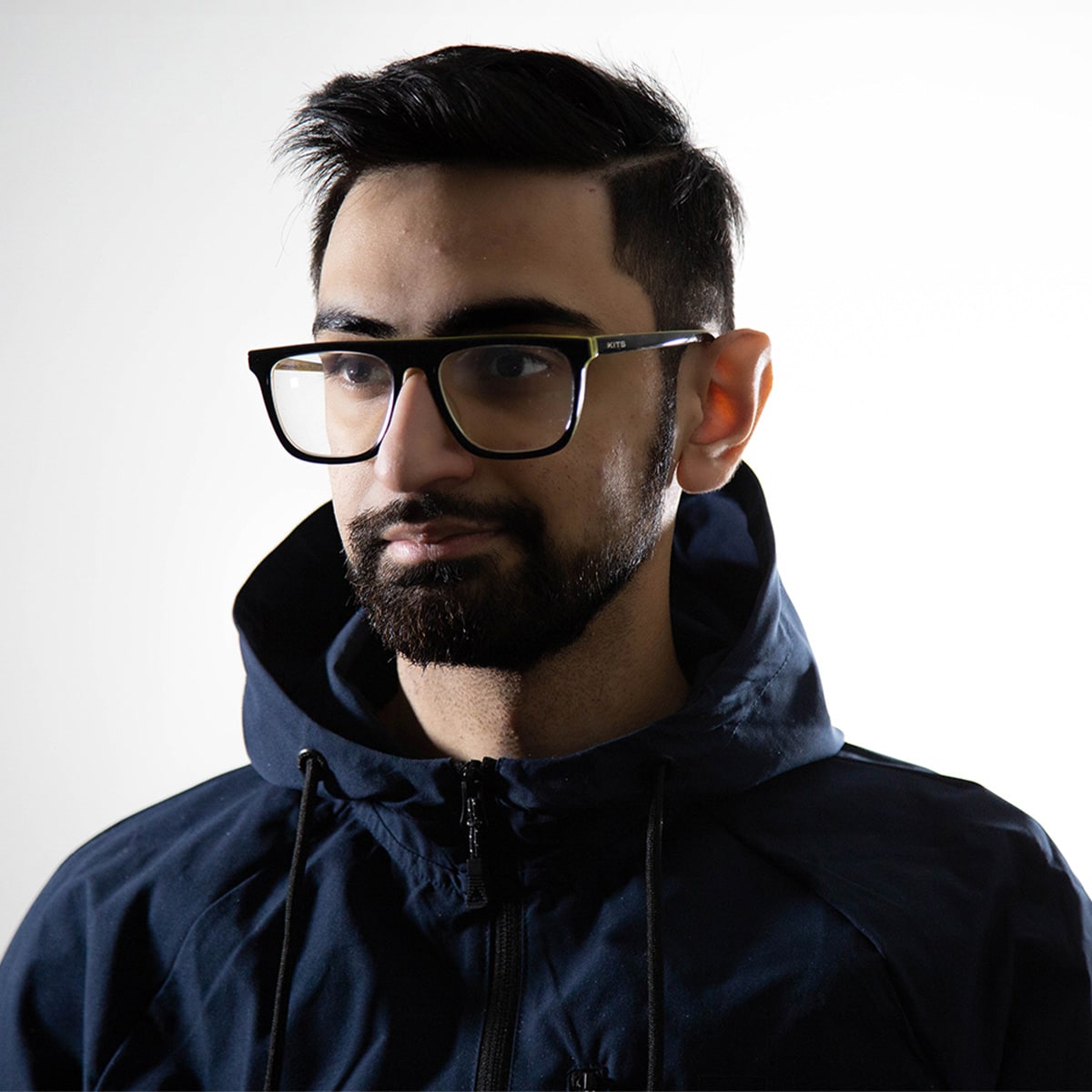
Asad Aftab
Education:
Bio
Asad Aftab is a Vancouver-based VR filmmaker, spatial cinematographer, XR artist, and designer. Drawing from his background in industrial and interaction design, his creative practice lies in spatial design and immersive and volumetric experiences, with a keen interest in filmmaking for VR.
Websites:
Research Interests
Asad's research explores the evolving landscape of immersive filmmaking and spatial storytelling, focusing on how emerging technologies such as virtual reality (VR), augmented reality (AR) and spatial video are reshaping narrative form, audience engagement and authorship. He is particularly interested in how non-linear and multi-perspectival structures can create new modes of emotional and sensory immersion, challenging traditional cinematic grammar. His work is committed to investigating both the creative and technical dimensions of immersive media, with a strong emphasis on the ethics of presence and empathy within virtual environments, ensuring a responsible and considerate approach to this transformative field. Building on experience in interactive and participatory media, he also examines how audiences inhabit and co-construct stories within immersive frameworks, and how these experiences circulate through online communities, transmedia ecosystems and impact campaigns. This research positions immersive film not only as a new storytelling medium but as a social and experiential space, capable of reconfiguring the relationship between maker, viewer and world. Ultimately, Asad's
Research Project Involvement at ECU:
Courses
| Course Name | Department | Course Code | Term | ||||
|---|---|---|---|---|---|---|---|
| Interaction Design | INTD 218 | 26/SP | |||||
|
|||||||