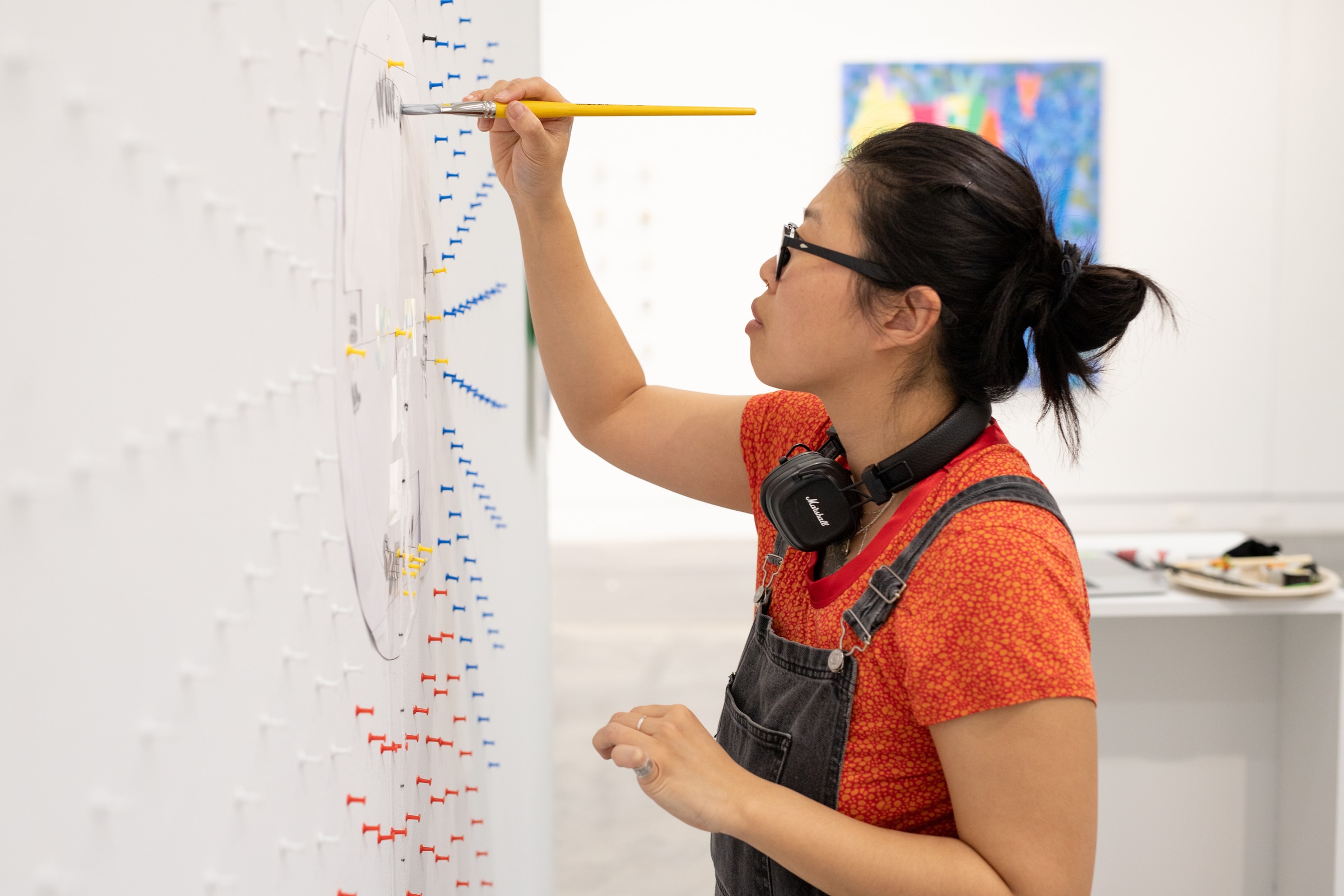
Create solutions that respect and restore the natural world.
Design isn’t neutral. This minor equips you to build sustainable systems, challenge extractive thinking and create with care for people, land and the future.
For Bachelor of Design students only, this minor offers an experimental space to re-situate design within ecological limits. Rethink materials and systems; build skills to create work that restores rather than depletes the world around us.
What You’ll Learn
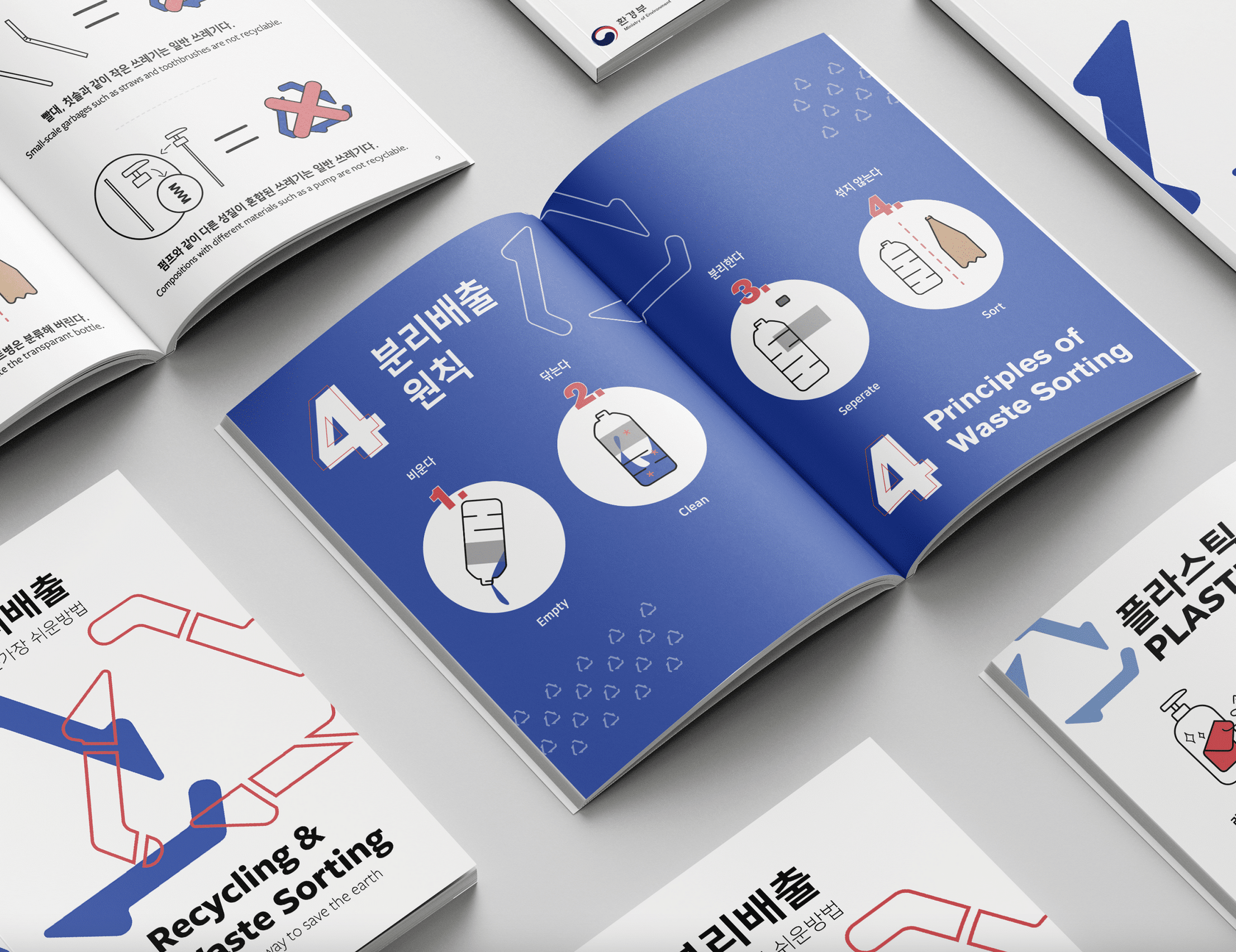
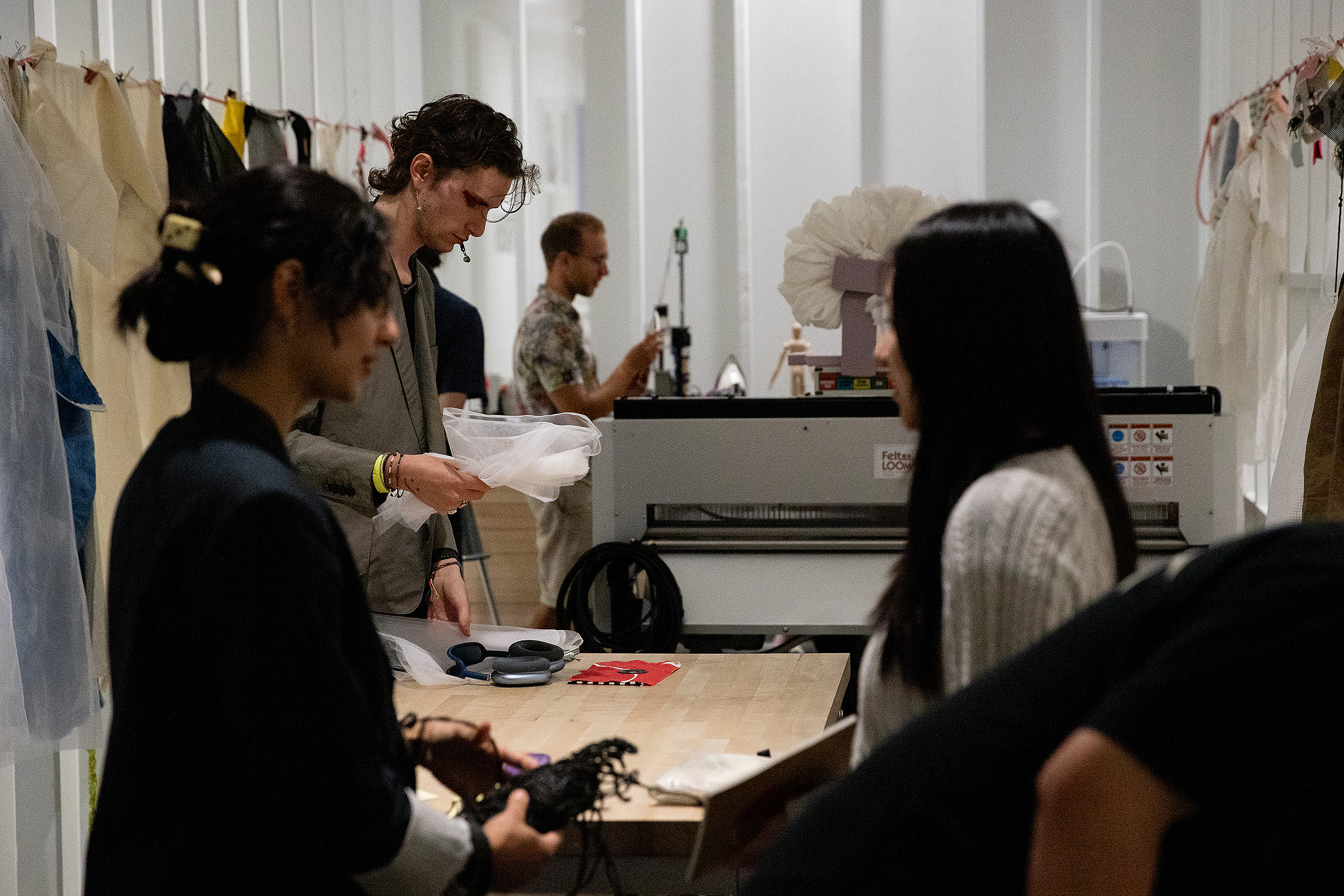
Students explore sustainable design through systems thinking, circular economies and regenerative practices. Coursework integrates ecological principles with creative problem-solving, emphasizing non-extractive methods and community collaboration. By mapping environmental systems, students learn to design products, spaces and services that respect and restore nature.
This minor fosters critical ecological awareness, equipping students with the skills to advocate for sustainable futures in diverse industries. Graduates gain a strong foundation in ethical design, preparing them to innovate responsibly in the face of global challenges.
Program Highlights
- Study sustainable design rooted in ecological principles
- Develop strategies for circular economies and regenerative systems
- Work with nature-aligned materials and non-extractive processes
- Map environmental systems to inform sustainable solutions
- Collaborate with peers on projects that restore ecosystems
- Learn from faculty engaged in cutting-edge ecological research
- Build a portfolio that integrates ethics, sustainability and creativity
- Prepare for careers in green design, policy, and environmental advocacy
In Others’ Words
“It’s not only about having a technical vision. It’s about breaking it down into small practical steps. You could have dreams, but if you can’t apply them then they’re just hallucinations. If you can apply them, then you’re now a part of a creative society, because you’ve actually built something.”
Amir Tamadon, BMA, 3D Computer Animation Major