
Portfolio Tips
Your portfolio is a key part of your application to Emily Carr University. It’s a collection of your work and ideas that shows where you are in your creative journey, and where you might go next.
ECU is changing its portfolio standards for 2027. Updated information will be published here as soon as soon as it is approved. The information contained here is for historical reference only.
Faculty across disciplines will review your portfolio to understand how you think, make and explore. We’re seeking insight into your creative process, not just polished results. Show us what you’re working on, how you approach art, design or media and what excites you about making.
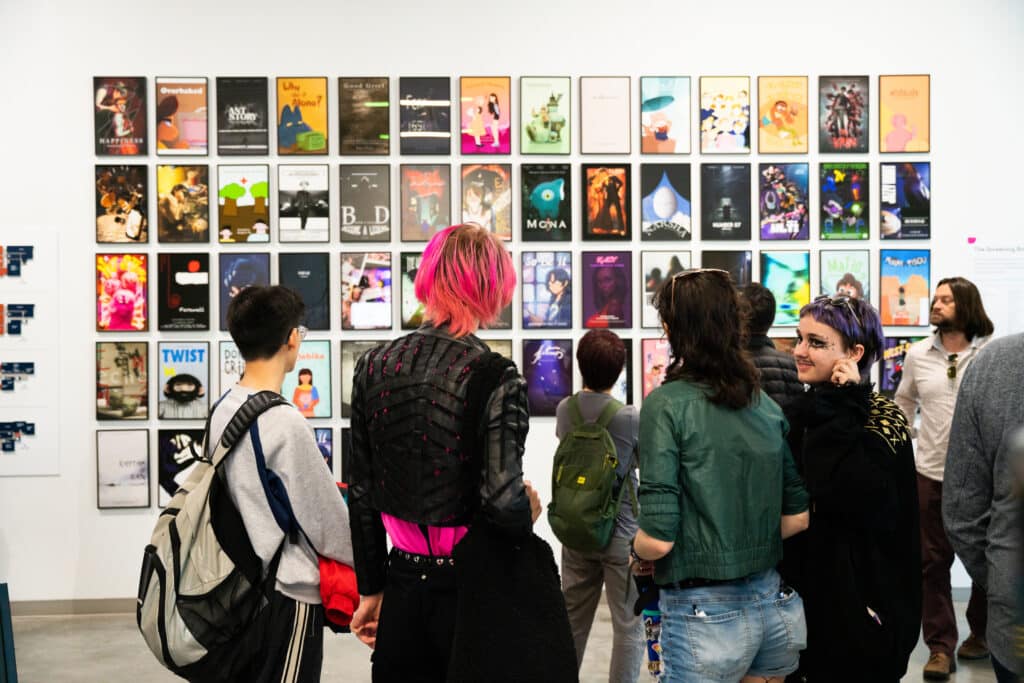
What to Include (and Not Include) in Your Portfolio
A strong portfolio has both variety and focus. Consider including:
- Experimental projects and creative explorations
- Technical or observational studies
- Pieces in different mediums (painting, drawing, photography, film, sculpture, textiles, ceramics, digital work or sketchbook pages)
- At least three different mediums across your submission
Don’t include copied images from other artists or sources unless you’re providing clear context. Instead, share work that reflects your own ideas, characters or designs.
What We’re Looking For
Faculty reviewers across disciplines want to understand your ideas and your potential, not only polished results. That means:
- Share your perspective. Your creativity, curiosity and willingness to take risks matter as much as technical skill.
- Show your process. Upload detail shots, in-progress images or short videos to help us see how your work came to life.
- Include recent work. Choose pieces made within the last two years.
- Be original. Everything in your portfolio should be your own work. If you use or reference another artist’s material, explain how and why.
Tips for a Strong Portfolio

Visualize + Experiment
Bring what you see and think into your art. Try unfamiliar approaches and materials. Even imperfect results can highlight your curiosity and willingness to learn.

Create with Intention
Take your time and reflect on why you chose a medium or made a change to a piece. Documenting your choices helps us understand your artistic growth.
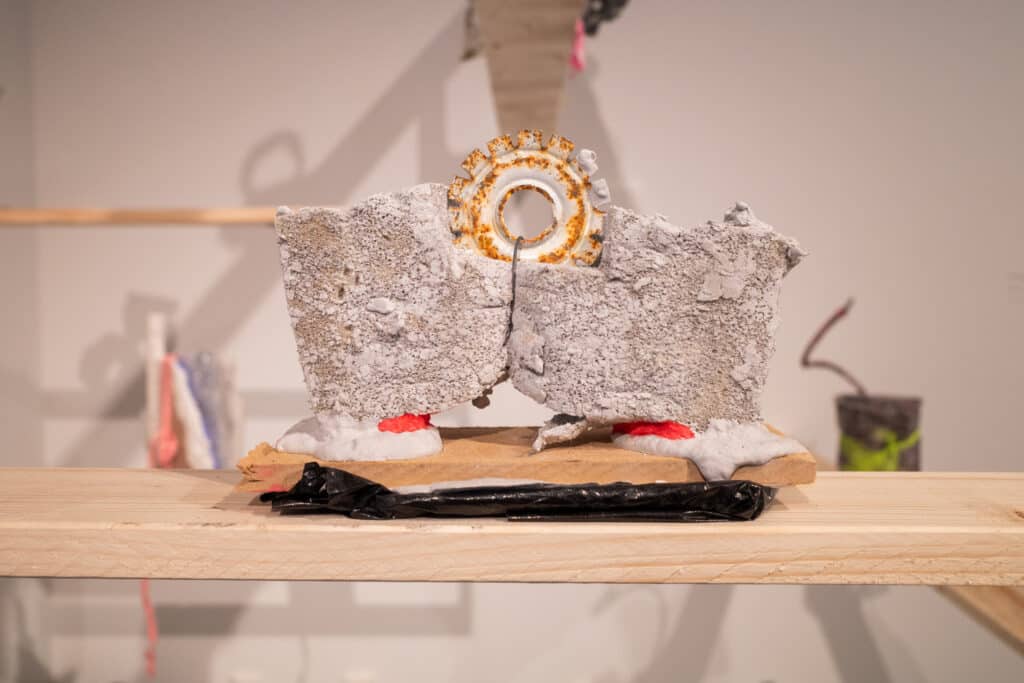
Be Resourceful
Strong work doesn’t require expensive materials. Found objects, everyday items and accessible supplies can be just as effective.
Tools + Resources

ECU Youth Programs
Youth Programs at ECU Extended Learning offer excellent portfolio preparation for post-secondary education, including Portfolio Review for Teens and the acclaimed Summer Institute for Teens.
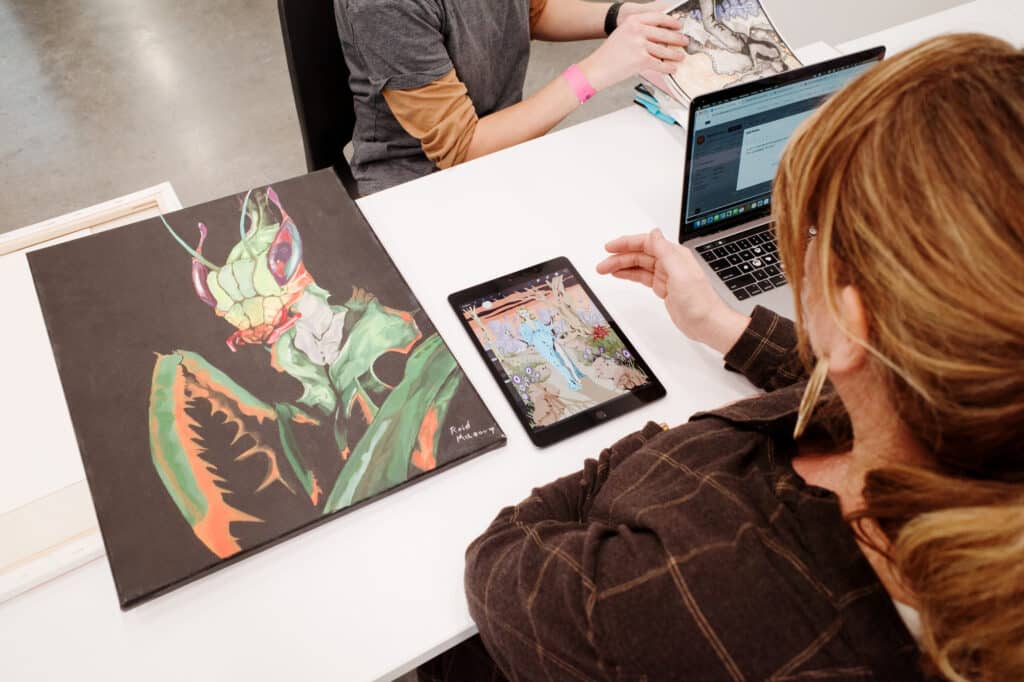
National Portfolio Day
Meet with faculty and admissions representatives from ECU and other art + design schools for a free portfolio review.
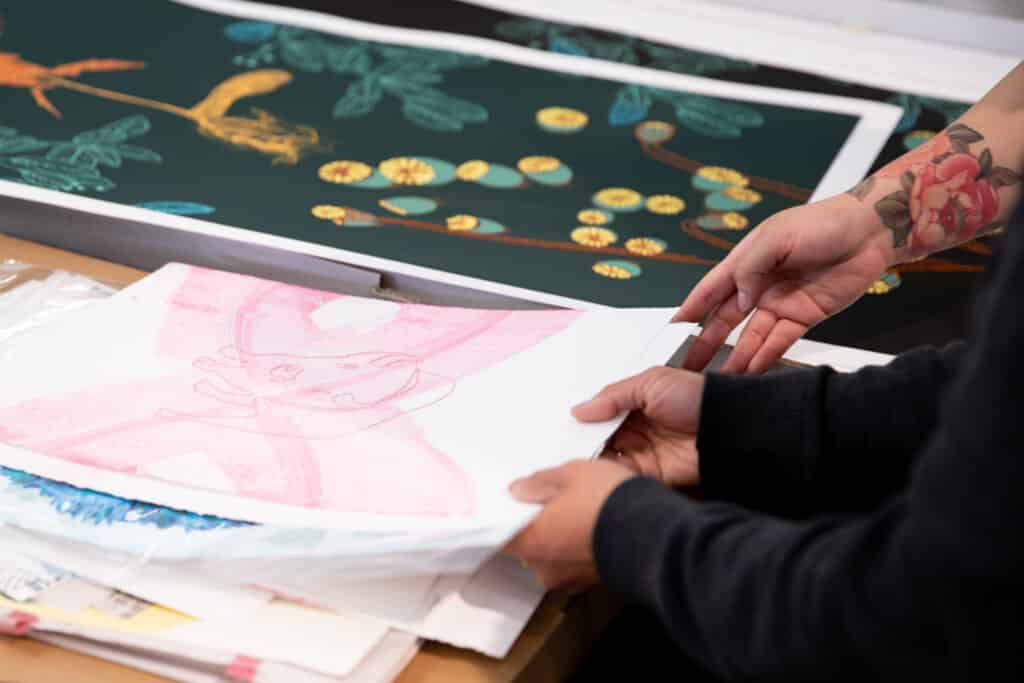
ECU Private Portfolio Reviews + Admission Webinars
- Attend a one-on-one portfolio review with a recruiter or professor: Contact your recruiter, or email recruitment@ecuad.ca for available one-on-one meeting dates.
- Attend an admissions webinar with ECU staff: Contact your recruiter, or email recruitment@ecuad.ca for a schedule of upcoming information sessions.