Push creative boundaries through experimental sound and interactive art.
Explore fresh approaches to storytelling and self-expression using media, sound and technology. The New Media + Sound Arts (NMSA) program supports students eager to work in with technology in experimental, generative and critical ways.
What You’ll Learn
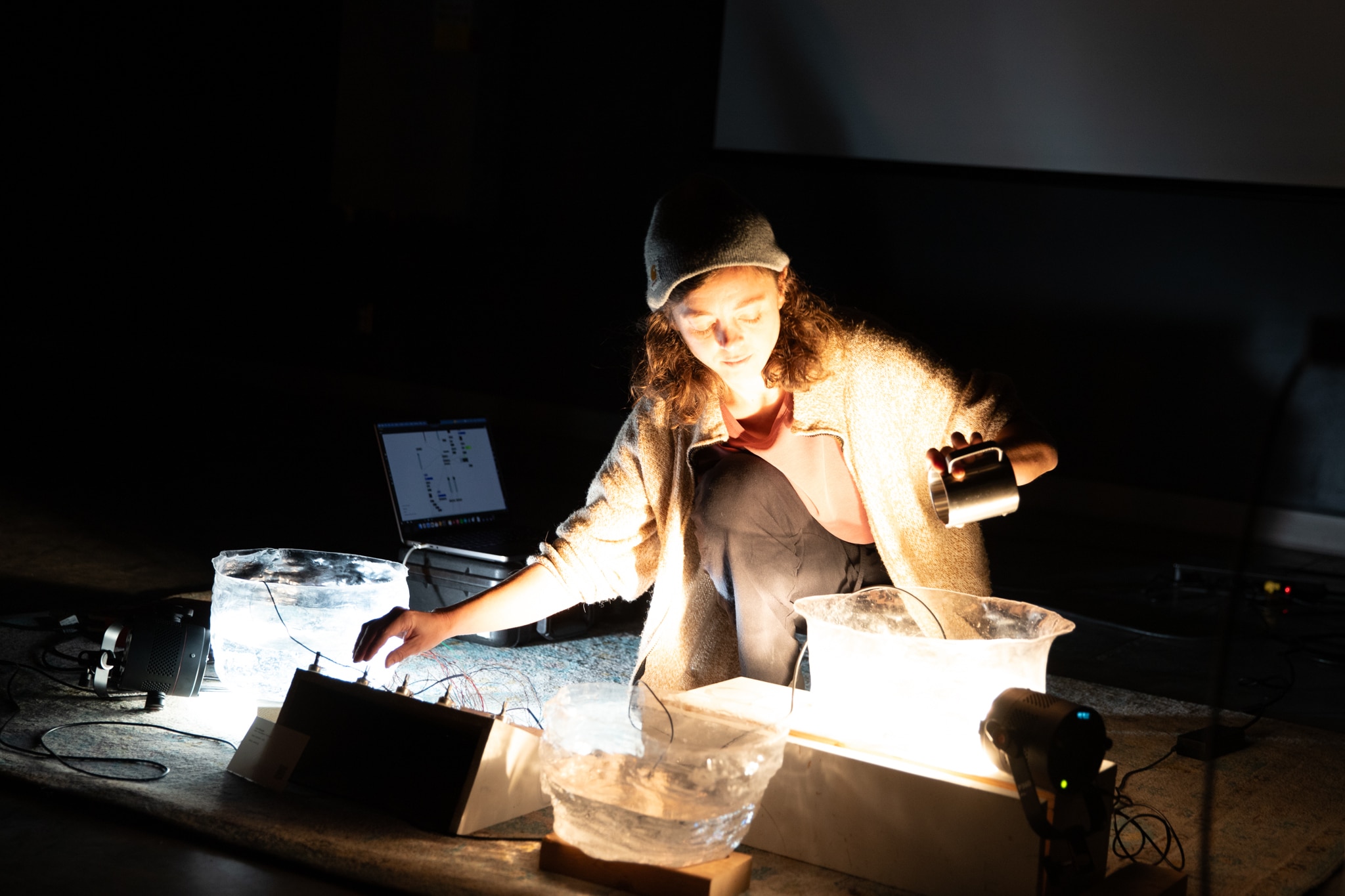
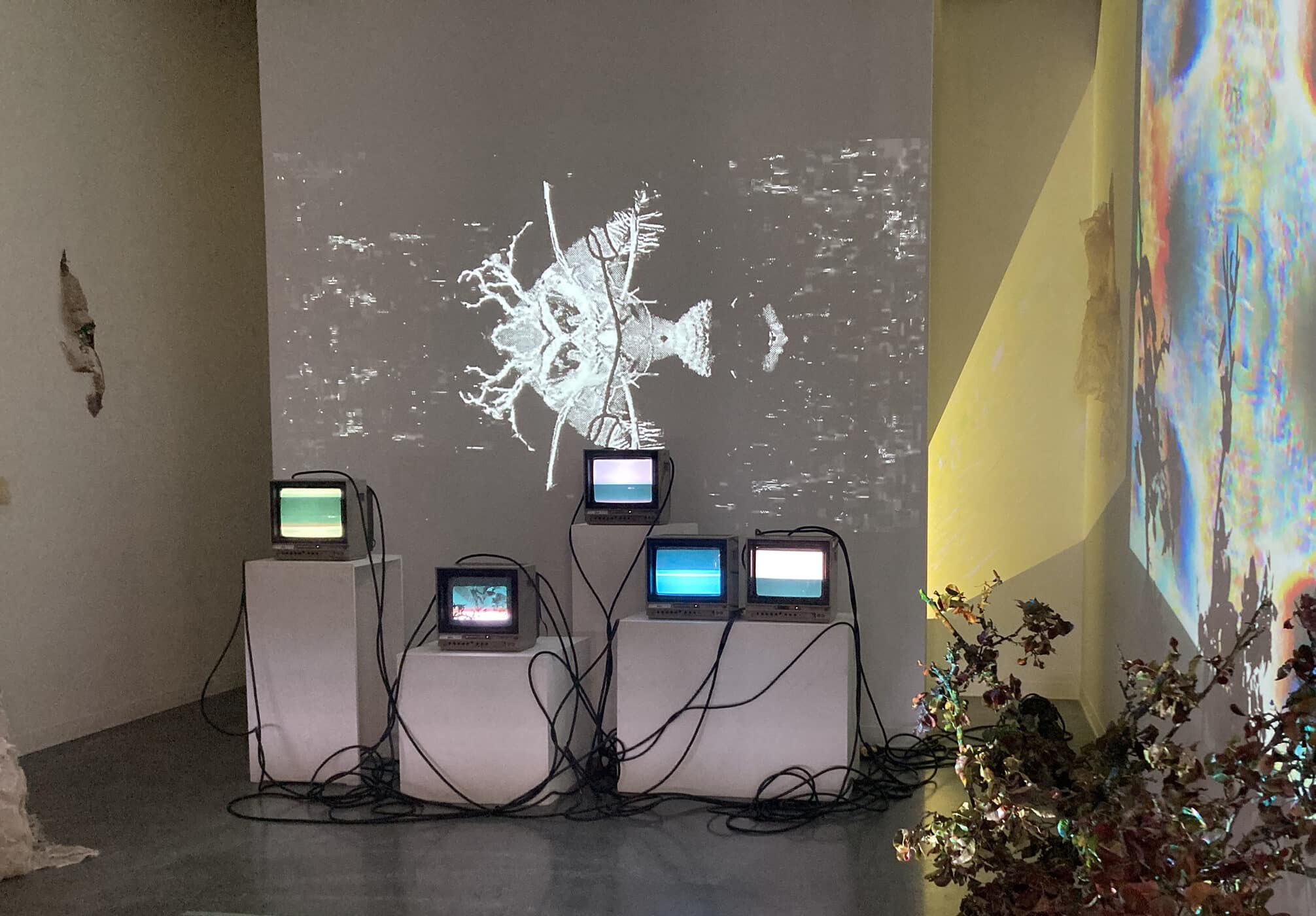
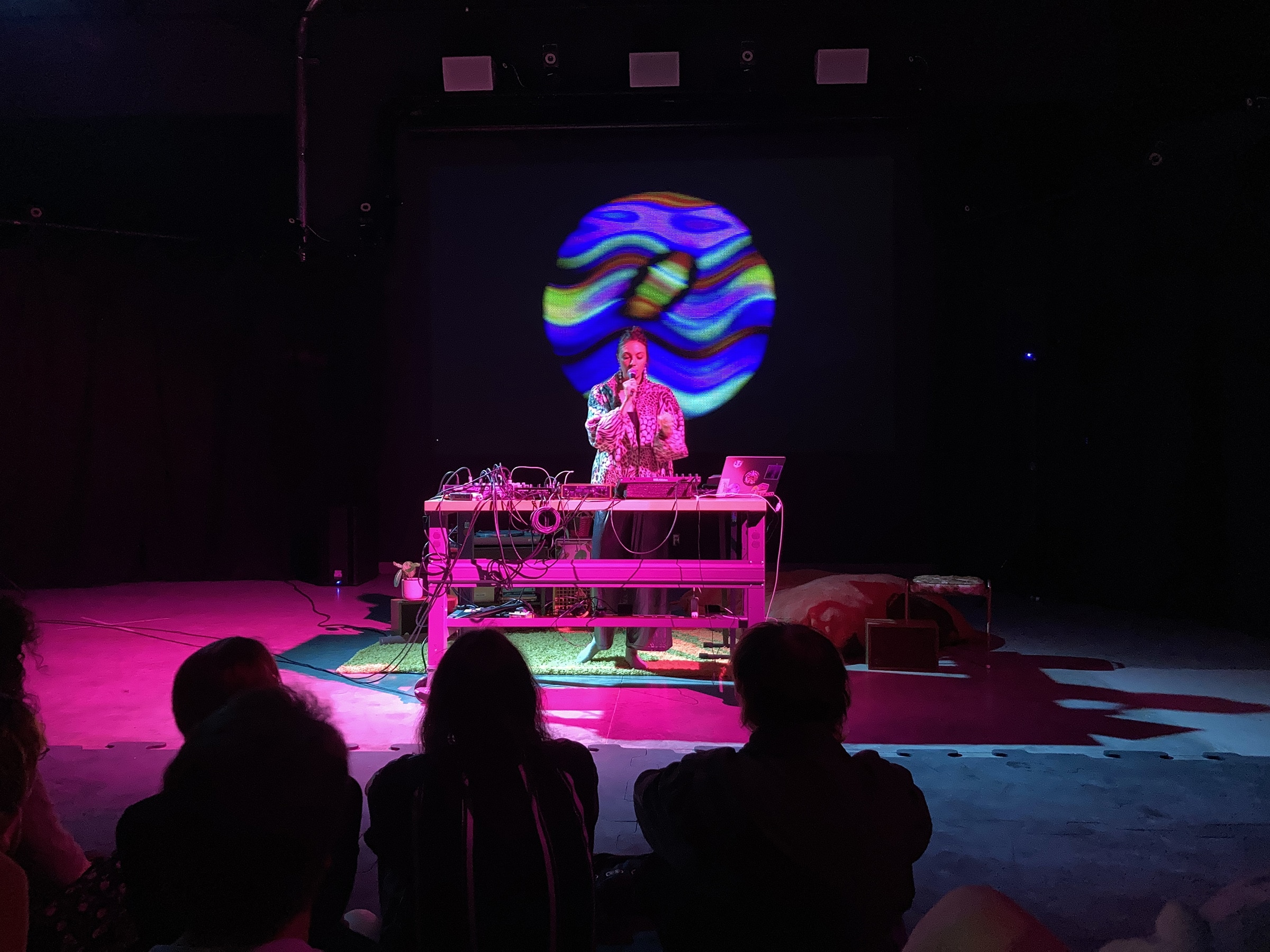
You’ll explore analog and digital approaches to media art, with a focus on sound, interactivity and performance. Student projects span electronic music, video installations, sound art, live performance, interactive objects and everything in between. The program asks: how can media and sound generate new ways of seeing, sensing, and relating? And how are our experiences shaped by the technical systems we inhabit and create?
In addition to three core courses (Intro to Time-based Media + Sound; Media + Material; Interactive Art) you can take cross-disciplinary electives.
The NMSA curriculum emphasizes combining digital and electronic technologies with material practices. You can broaden your studies with courses in areas like textiles, digital fabrication, sculpture, ceramics, exhibition design, furniture and material production.
Program Highlights
- Multidisciplinary curriculum integrating sound, video, interactive art, digital fabrication and electronics
- Access to specialized facilities, including Wearables + Interactive Products Lab, Basically Good Media Lab, and the Sound Lab
- Opportunities for paid research assistant-ship positions working with faculty on research projects
- Opportunities to collaborate across disciplines such as ceramics, textiles, animation and sculpture
- Guidance from experienced faculty who are practicing artists who are experts in their research fields
- Engagement in self-directed projects emphasizing innovation and experimental research
- Participation in events like the Resonance Series and networking with industry leaders
- Preparation for diverse careers, including visual artist, sound artist, composer, audio producer, film industry professional, game designer or professional musician
Three Suggested NMSA Pathways
The creative output in the NMSA program is not predefined, but there are three pathways designed to guide you in thinking about concrete outputs and to suggest courses to take. These are just starting points—you’re free to move between them or shape your own path. We encourage you to connect with faculty to explore how your unique interests can guide your journey through the program.
Sonic Arts
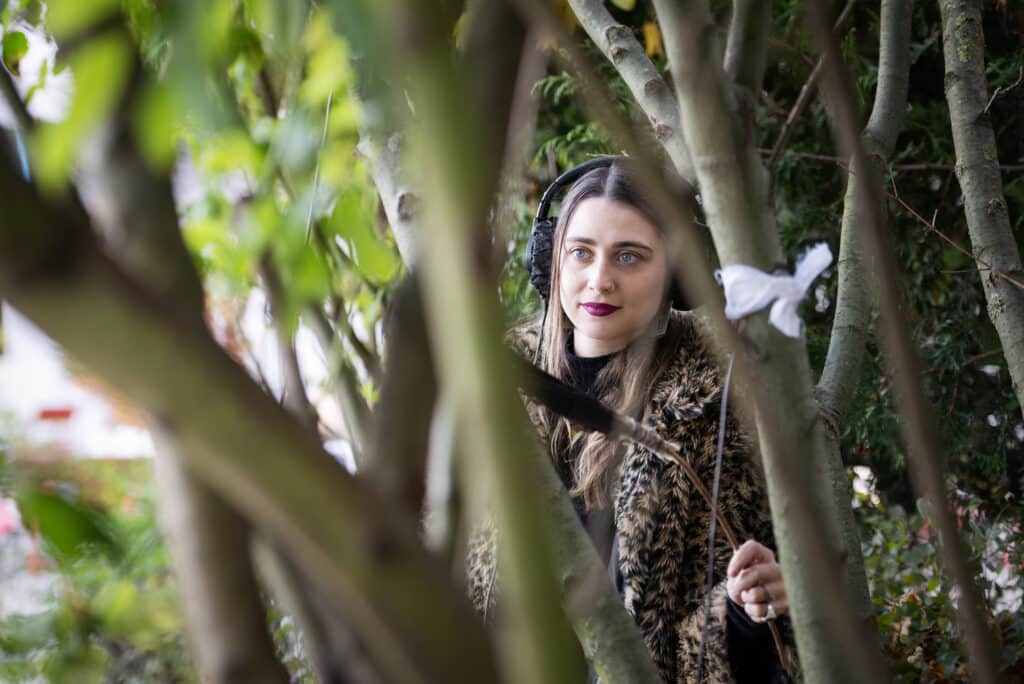
The sound pathway focuses on the technical and conceptual aspects of sound arts and music. This pathway prepares you for a career as a sound artist, electronic musician and/or a sound designer for film/animation/games. You will learn studio recording, field recording, sound editing, sound synthesis, audio programming, composition techniques, mixing and instrument design.
Intermedia
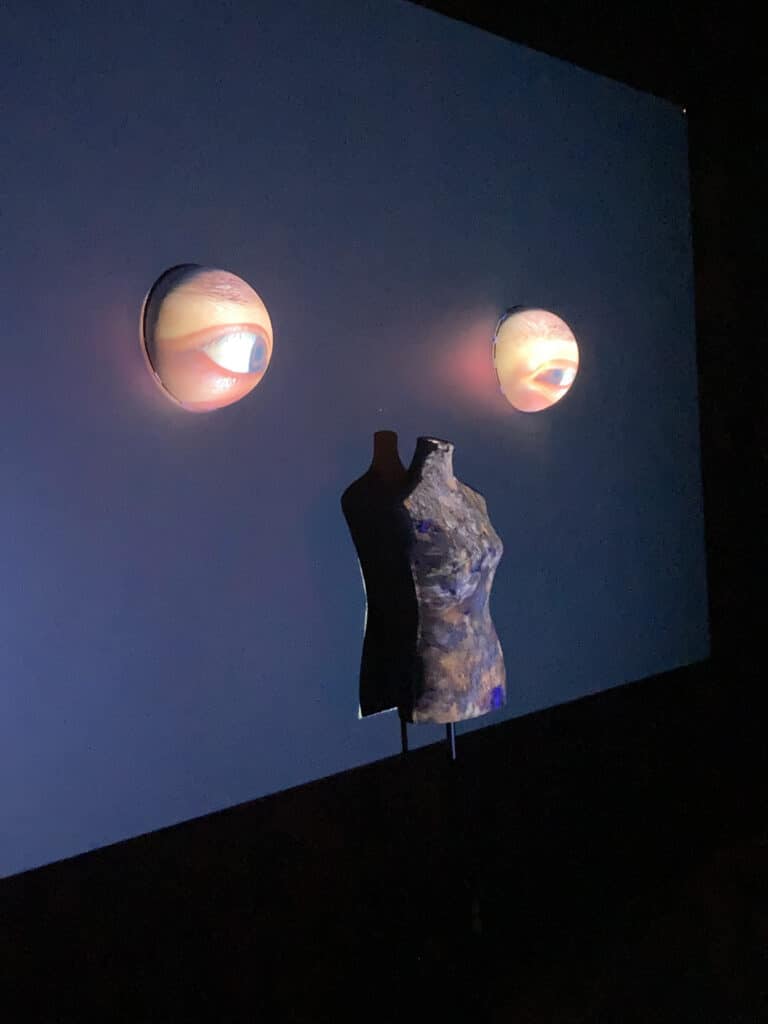
The intermedia pathway focuses on experimental approaches to media using video, sound, photo and electronics, often in combination. This pathway is great for people interested in performance, multi-media installation, live visuals, interactive sculpture and forms that live between disciplines. This is the broadest of the three pathways and is great for students who want to combine multiple media practices and/or think critically about art, media and sound technologies.
New Media
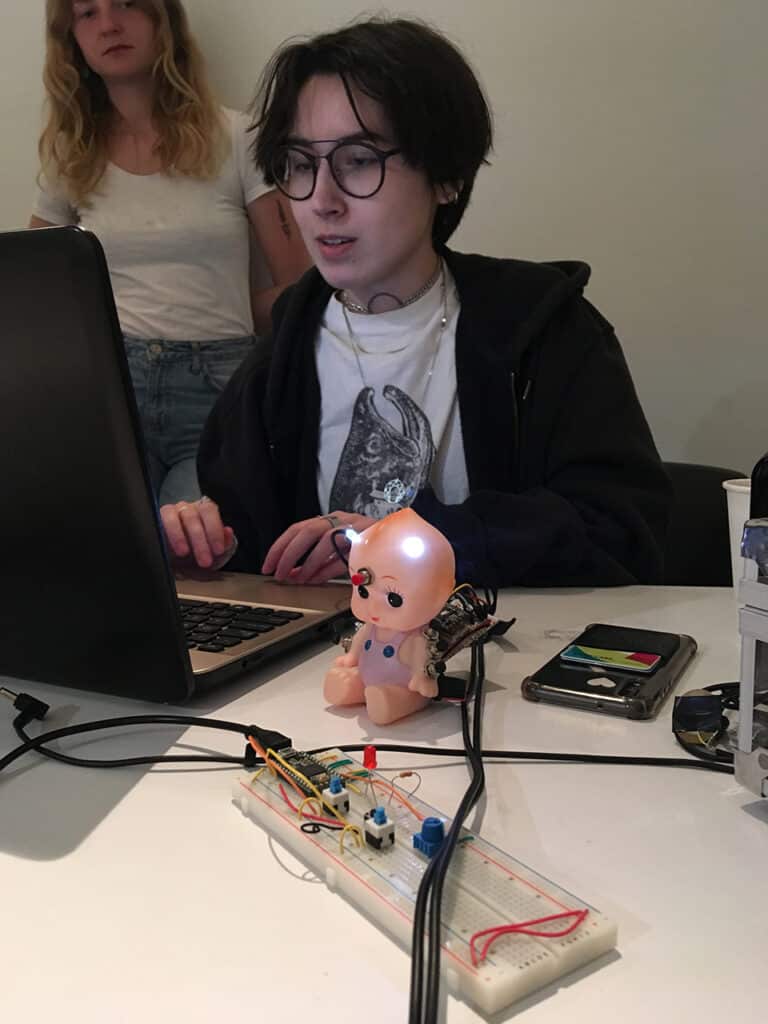
The New Media pathway focuses on interactive art and art made with code, including net-based/streaming forms, augmented/virtual forms and interactive media using video, sound, images and text, often in combination. This pathway is for students interested in digital world building, generative and algorithmic art, video game design and critical perspectives on our pervasive techno-culture.
In Others’ Words
“My work and research focus on ways that new technologies shape and shift how we communicate, and specifically, how we listen. This research takes many forms, including installations, musical performances, videos, creative tools, and writing. Regardless of the output, I continually return to the idea of interfacing, the process of connecting with our machines, but also with other people, with objects, and with our environments.”
Peter Bussigel, NMSA Faculty